10 Nature Trails & Parks in Marathon FL | Wild Side Guide
Share:
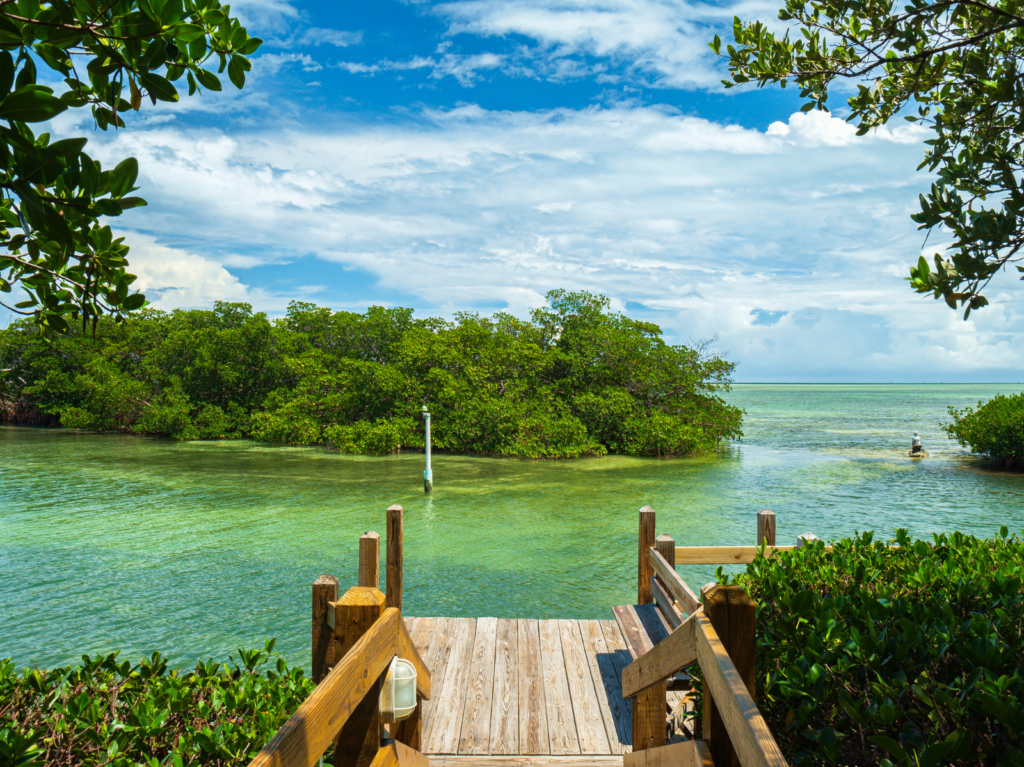
What Are the Best Nature Trails and Parks in Marathon FL?
Marathon FL offers some of the most diverse nature trails and parks in the entire Florida Keys, from 63-acre tropical hammocks to historic bridges stretching over turquoise waters. The best places to explore Marathon’s wild side include Crane Point Museum & Nature Center, Curry Hammock State Park, and the restored Old Seven Mile Bridge. Each offering unique ecosystems found nowhere else in the continental United States.
Quick Answer: Marathon and the surrounding Middle Keys feature 10 exceptional nature destinations, including three state parks, a national wildlife refuge, and several trails through rare tropical hardwood hammocks.
Where Can I Find the Best Nature Trails in Marathon FL?
Marathon sits at the heart of the Florida Keys, surrounded by protected natural areas that showcase everything from pine rocklands to mangrove forests. The region’s trails range from easy boardwalk strolls to more rugged paths through fossilized coral rock.
Here are the top 10 nature trails and parks for exploring Marathon’s wild side:
1. Crane Point Museum & Nature Center
Address: 5550 Overseas Highway, Marathon, FL 33050
Hours: Monday–Saturday 9am–5pm, Sunday 12pm–5pm
Admission: Adults $14.95, Seniors $12.95, Children (5-12) $10.95
Website: cranepoint.net
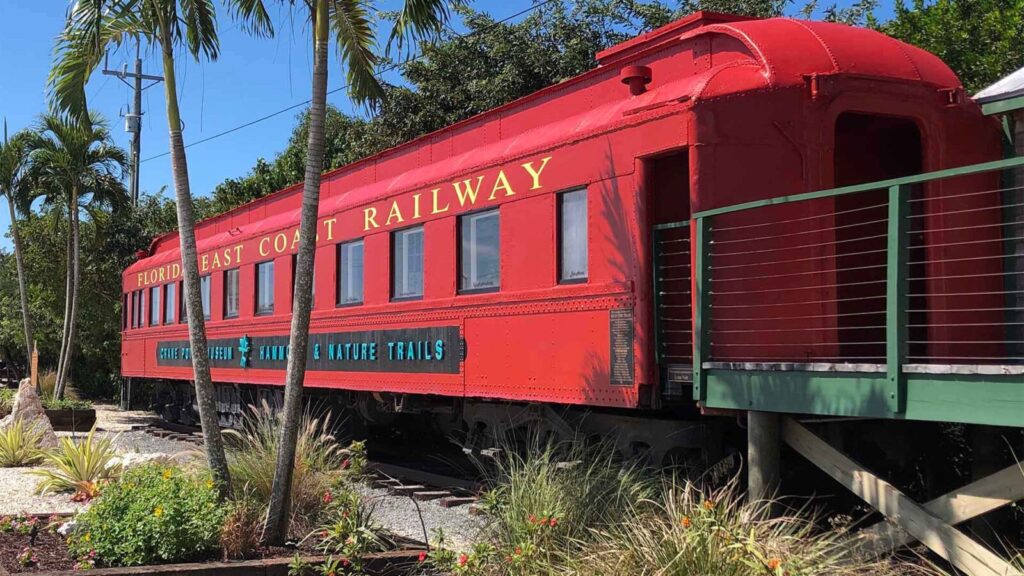
Crane Point protects 63 acres of tropical hardwood hammock in the heart of Marathon. One of the last remaining untouched examples of this rare ecosystem in the Florida Keys. The property was listed on the National Register of Historic Places in 2021.
Multiple nature trails wind through the property, passing the historic Adderley House (built in 1904 and the oldest home in the Keys outside Key West), butterfly gardens, and the Marathon Wild Bird Center. The trails traverse fossilized coral rock that was once living reef beneath the ocean.
Don’t miss: The free “fish pedicure” at the tidal pool near The Point, where gambusia fish nibble dead skin from your feet.
Best season: November through April offers cooler temperatures and fewer mosquitoes. Summer visitors should bring plenty of water and insect repellent.
Stay nearby at one of our Marathon vacation rentals with easy access to Crane Point and all the Middle Keys attractions.
2. Curry Hammock State Park
Address: 56200 Overseas Highway (MM 56.2), Marathon, FL 33050
Hours: 8am until sunset, 365 days a year
Admission: $6 per vehicle (2-8 people), $4.50 single occupant
Website: floridastateparks.org/curry-hammock
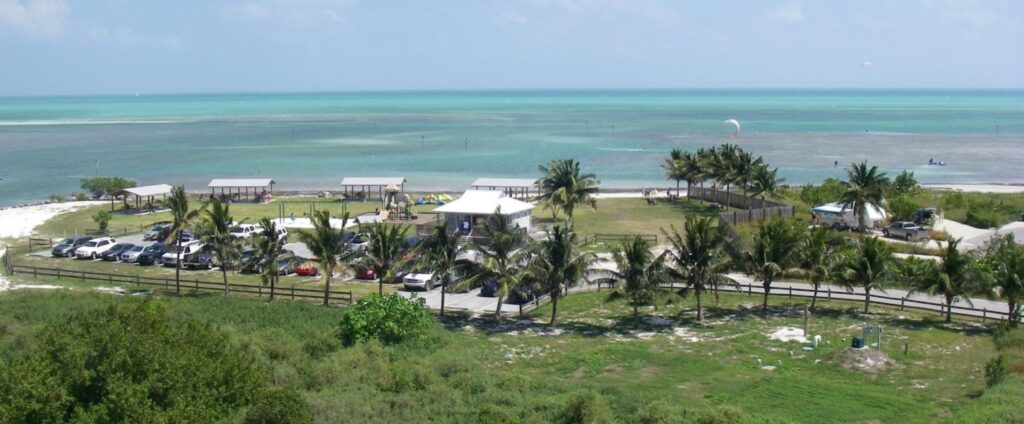
Spanning over 1,000 acres across multiple islands, Curry Hammock State Park is the largest uninhabited parcel of land between Key Largo and Big Pine Key. The park protects mangrove swamps, rockland hammocks, and seagrass beds essential to the Florida Keys ecosystem.
The 1.5-mile nature trail winds through an ancient hardwood hammock on the bay side of the park. You’ll walk atop fossilized coral that once thrived underwater. It is now serving as high ground for mahogany, gumbo limbo, and Jamaican dogwood trees. The uneven coral rock terrain makes sturdy shoes essential.
Wildlife tip: The park lies on a major bird migration route. Visit during August through November for the Florida Keys Hawkwatch, when birding experts help identify raptors soaring overhead.
Water activities: Rent kayaks or paddleboards ($17.20–$21.50 for two hours) to explore the mangrove-lined waters. The park connects to the Florida Circumnavigational Saltwater Paddling Trail.
Our waterfront properties with kayaks make exploring these waters even easier.
3. Old Seven Mile Bridge & Pigeon Key
Address: 1090 Overseas Highway (MM 47), Marathon, FL 33050
Hours: Pigeon Key trains depart 10am, 11:30am, 1pm, 2:30pm daily
Admission: $25 adults, $20 children (4-12), $15 for walkers/bikers
Website: pigeonkey.net | Pigeon Key Foundation
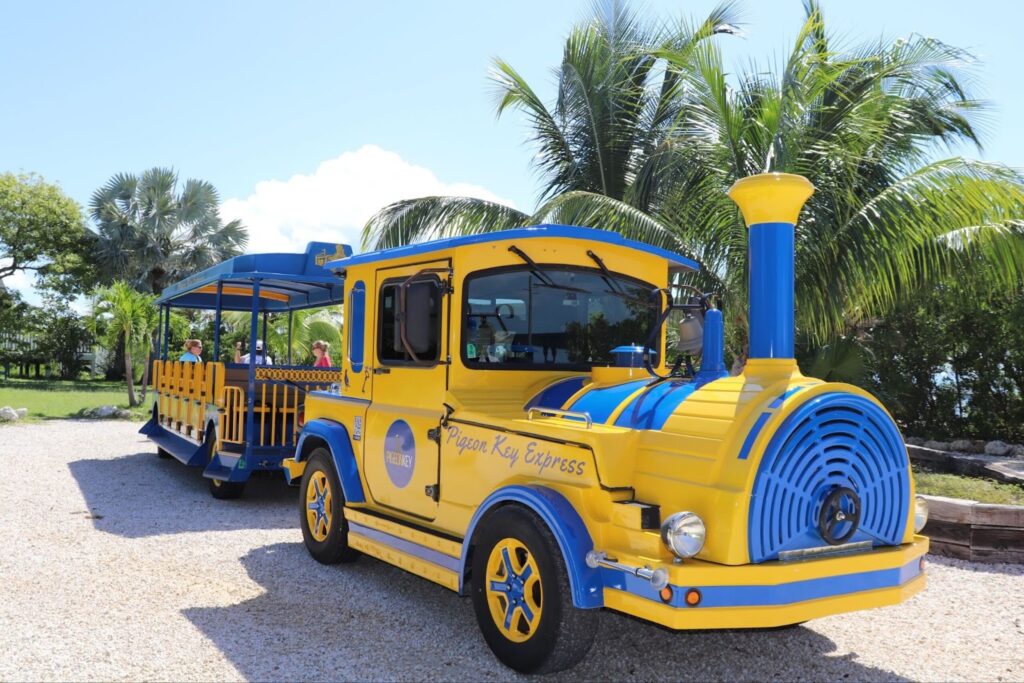
The restored Old Seven Mile Bridge reopened in January 2022 after a multiyear restoration, creating a 2.2-mile linear park stretching over the open water to historic Pigeon Key. Originally built as part of Henry Flagler’s Overseas Railroad (completed in 1912), this engineering marvel now offers walkers, cyclists, and rollerbladers one of the most iconic Florida Keys experiences.
The bridge provides unobstructed views of the Atlantic Ocean and Florida Bay, with water so clear you can spot stingrays, sea turtles, and nurse sharks swimming below. At the bridge’s end, 5-acre Pigeon Key preserves the historic worker camp where over 400 laborers once lived while building the original bridge.
History buffs: Take the guided tour to explore the island’s museum, see historic buildings painted in Flagler’s trademark yellow, and learn about the 1935 Labor Day Hurricane that destroyed the railroad.
Pro tip: Walk or bike out during late afternoon and stay for sunset—the views from the bridge are spectacular. Return by tram if you don’t want to walk back in the dark.
4. Long Key State Park
Address: 67400 Overseas Highway (MM 67.5), Layton, FL 33001
Hours: 8am until sunset, 365 days a year
Admission: $6 per vehicle (2-8 people), $4.50 single occupant
Website: floridastateparks.org/long-key
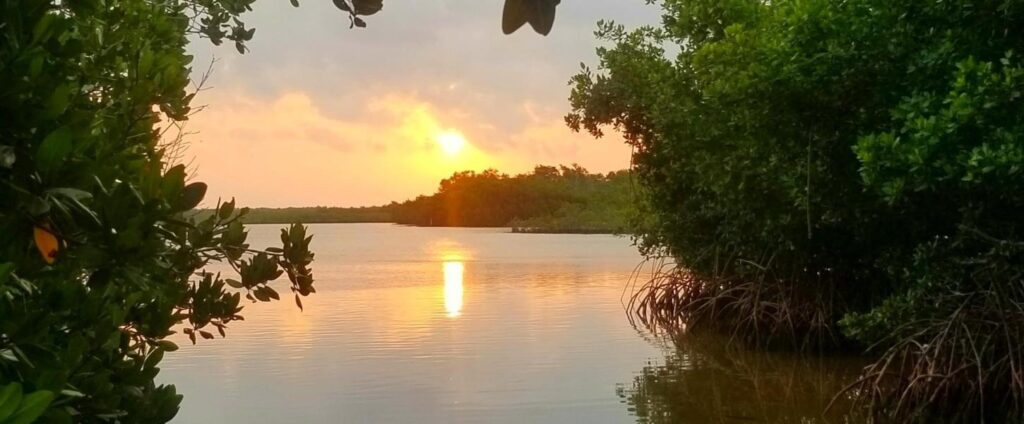
Located about 20 minutes northeast of Marathon, Long Key State Park offers two distinct land-based nature trails through rare Florida Keys habitats. The park sits on the Great Florida Birding Trail and provides exceptional opportunities for spotting wading birds, shorebirds, and migrating warblers.
The Golden Orb Trail (2.6 miles) leads through coastal rock barren and tropical hammock communities, passing an observation tower with panoramic island views. The trail is named for the native Golden Silk Orb Weaver spider, though sightings have become rare since Hurricane Irma in 2017.
The shorter Layton Trail (0.4 miles) runs along the bay side through healthy rockland hammock, ending with overlooks of Florida Bay where you might spot Reddish Egrets and wintering Piping Plovers.
Kayaking: Paddle the serene Long Key Lakes Canoe Trail through mangrove-lined lagoons (bring your own kayak because rentals are currently suspended).
Camping: Three primitive, hike-in tent sites offer oceanfront camping for those seeking a true wilderness experience.
5. Bahia Honda State Park
Address: 36850 Overseas Highway (MM 37), Big Pine Key, FL 33043
Hours: 8am until sunset, 365 days a year
Admission: $8 per vehicle (plus 50¢ per person Monroe County surcharge)
Website: floridastateparks.org/bahia-honda | bahiahondapark.com
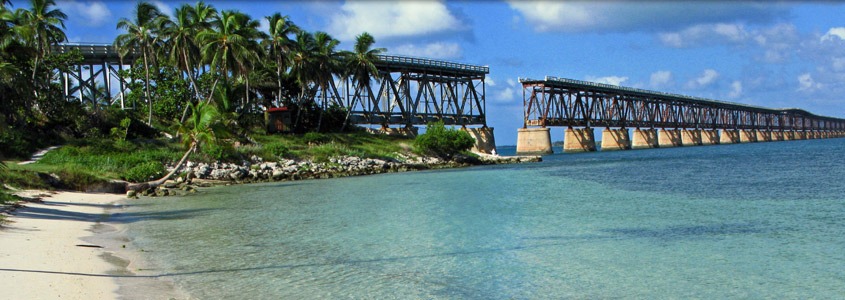
About 20 minutes south of Marathon, Bahia Honda State Park regularly ranks among the best beaches in America. But it’s the nature trails and historic features that make this a must-visit for outdoor enthusiasts.
The Old Bahia Honda Bridge Trail climbs to the top of the historic 1917 railroad bridge, offering panoramic views from one of the highest points in the entire Florida Keys. From this vantage point, you can see fish, sea turtles, and rays swimming in the crystal-clear waters below.
The Silver Palm Trail loops through tropical hardwood hammock containing the largest known stand of Florida silver palms in the United States. Watch for white-crowned pigeons and the endangered Lower Keys marsh rabbit.
Snorkeling tip: The park offers boat trips to Looe Key National Marine Sanctuary, one of the healthiest coral reefs in the continental U.S., located about 12 miles offshore.
Best beaches: Sandspur Beach (the largest), Loggerhead Beach (quieter, Atlantic-facing), and Calusa Beach (best bridge views).
6. National Key Deer Refuge
Address: 30587 Overseas Highway, Big Pine Key, FL 33043
Hours: Trails open sunrise to sunset; Nature Center hours vary
Admission: Free
Website: fws.gov/refuge/national-key-deer
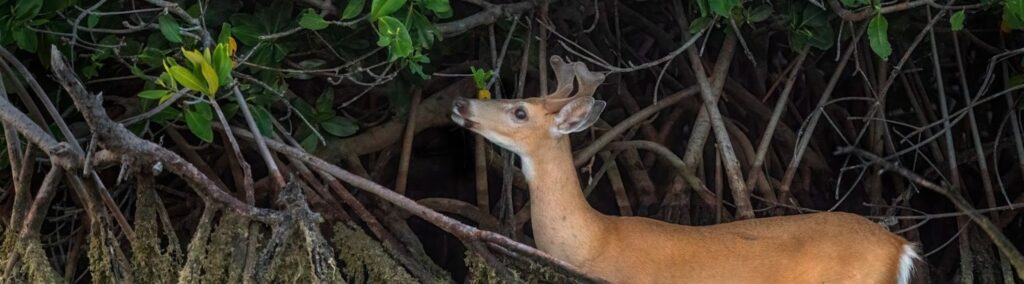
Established in 1957 to protect the endangered Key deer (the smallest subspecies of North American white-tailed deer), this 9,200-acre refuge spans 25 islands in the Lower Keys, about 25 minutes south of Marathon.
The Blue Hole Trail (0.3 miles) circles one of the few freshwater bodies in the Keys. This is a former limestone quarry now filled with rainwater. This unique lens of fresh water floating atop saltwater attracts alligators, herons, kingfishers, and Key deer. Do not swim here as large alligators live here.
The Jack Watson Trail and Mannillo Trail (combined 0.75 miles) pass through pine rockland and freshwater wetland habitats, ending at an observation platform. These are excellent spots for birding, especially during spring and fall migration.
Key deer viewing: Visit early morning or late afternoon for the best chance to spot these dog-sized deer. They often graze in yards throughout Big Pine Key. Just remember to never feed them.
Warning: Poisonwood grows along these trails and causes skin irritation worse than poison ivy. Stay on marked paths.
7. Florida Keys Overseas Heritage Trail (Marathon Segment)
Address: Various access points throughout Marathon
Hours: Open 24 hours
Admission: Free
Website: floridastateparks.org/overseas-heritage-trail
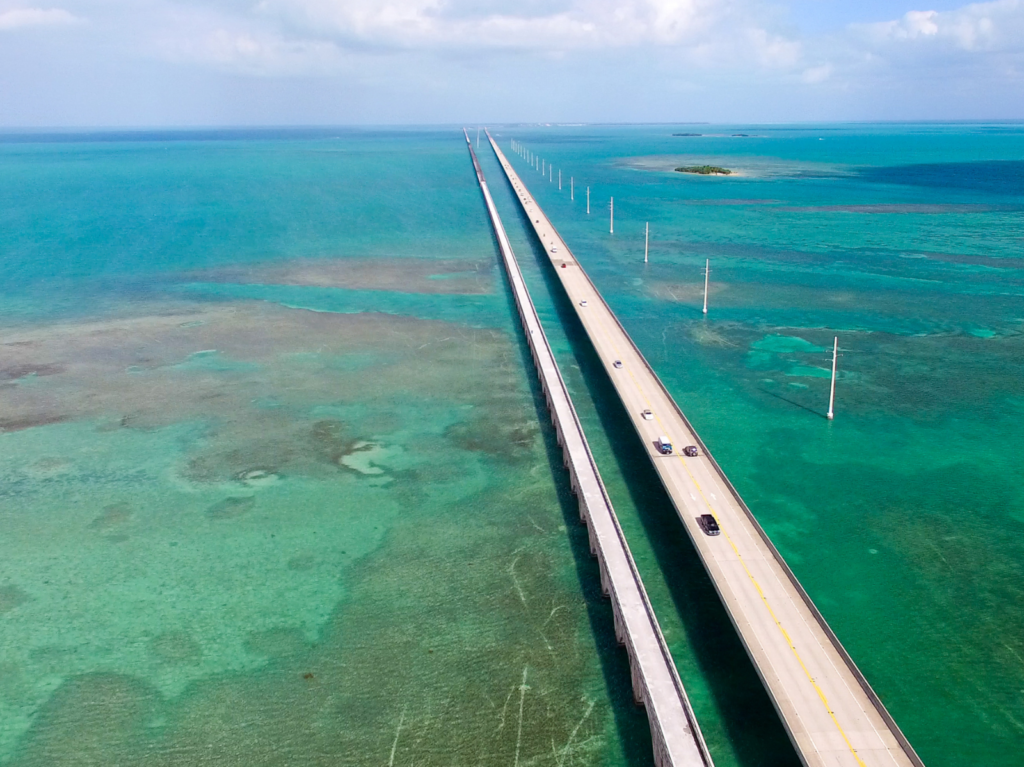
This 90+ mile paved multi-use trail follows the route of Henry Flagler’s historic Overseas Railroad from Key Largo to Key West. The Marathon segment offers some of the trail’s most scenic and accessible sections for walking, running, and cycling.
From central Marathon, the trail runs bayside, separated from highway traffic, passing through Grassy Key and connecting to Curry Hammock State Park. The 47-mile section through Key Largo, Islamorada, and Marathon includes dedicated paths perfect for casual cyclists and families.
Best Marathon section: Ride the dedicated bike path from Sombrero Beach Road (MM 50) north through Marathon for approximately 3 miles of protected trail with water views.
Bike rentals: Several shops in Marathon offer bike rentals, including electric bikes (now allowed on the trail).
8. Sombrero Beach
Address: Sombrero Beach Road (off MM 50), Marathon, FL 33050
Hours: 7am–sunset
Admission: Free
Website: City of Marathon Parks
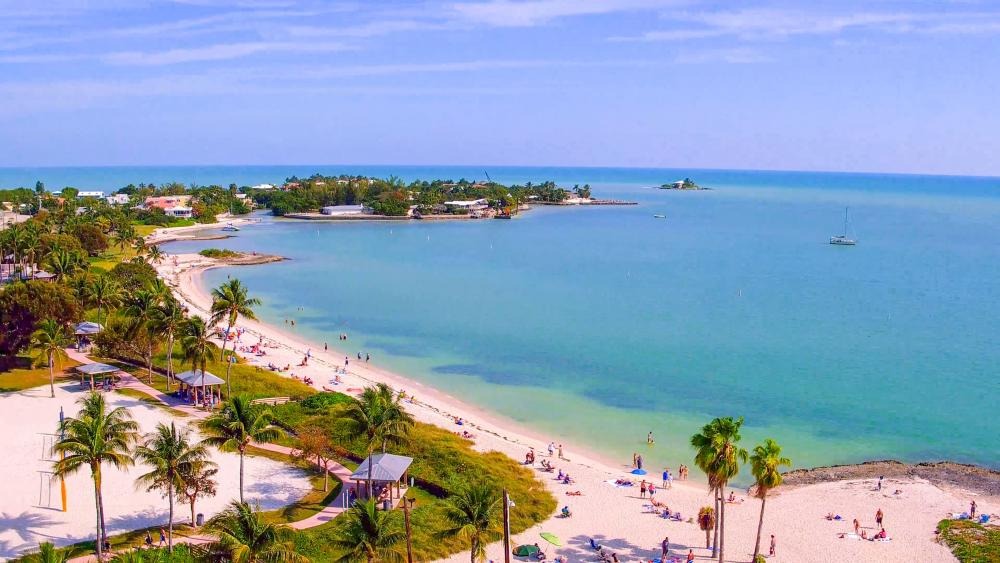
While primarily known as Marathon’s premier public beach, Sombrero Beach offers excellent walking along a natural sandy shoreline with views of Sombrero Key Light, one of the tallest lighthouses in the Florida Keys.
The beach walk stretches along the Atlantic coast, passing through a landscaped park with picnic pavilions, a playground, and volleyball courts. Sea grape and palm trees line the shore, and the gentle waves make this a family-friendly spot for wading and snorkeling.
Nature note: The beach is a nesting site for sea turtles from May through October. Watch for marked nest areas and never disturb them.
Accessibility: The park includes paved paths and facilities, making it one of the most accessible beach experiences in the Keys.
Many of our Marathon properties with pools are just minutes from Sombrero Beach.
9. Grassy Key Trail
Address: Near Dolphin Research Center, Grassy Key (MM 59)
Hours: Dawn to dusk
Admission: Free
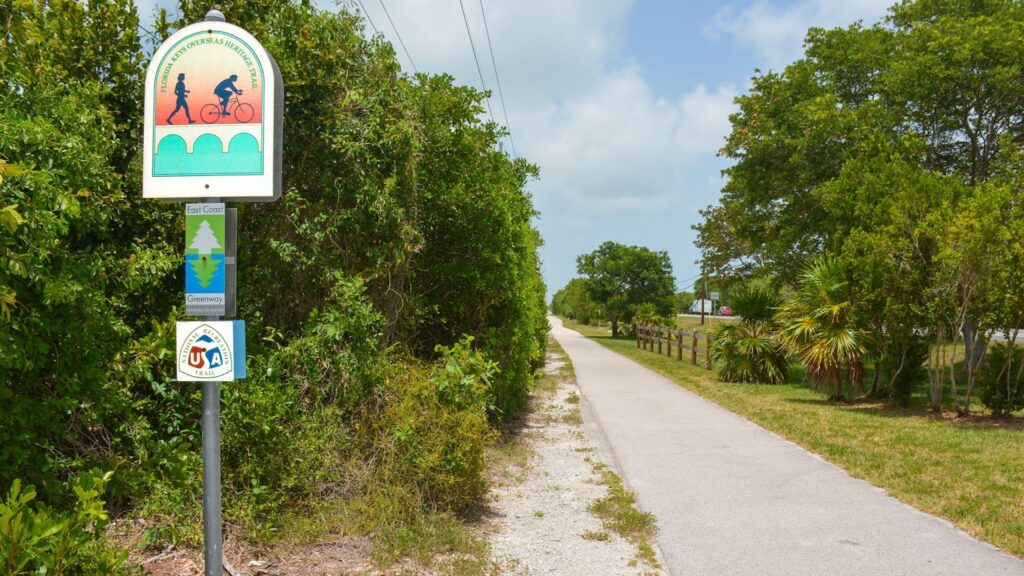
This short but scenic trail on Grassy Key, just north of Marathon proper, winds through coastal hammock and mangrove environments. The relatively flat path is perfect for a quick nature walk when you’re visiting nearby attractions like the Dolphin Research Center.
The trail showcases the transition zones between different Keys ecosystems from upland hammock to tidal mangrove forest. Birders appreciate the variety of species that can be spotted in these overlapping habitats.
Combine with: A visit to the Dolphin Research Center or Florida Keys Aquarium Encounters for a full day of wildlife experiences.
10. Coco Plum Beach
Address: Coco Plum Drive (off MM 54.5), Marathon, FL 33050
Hours: Dawn to dusk
Admission: Free
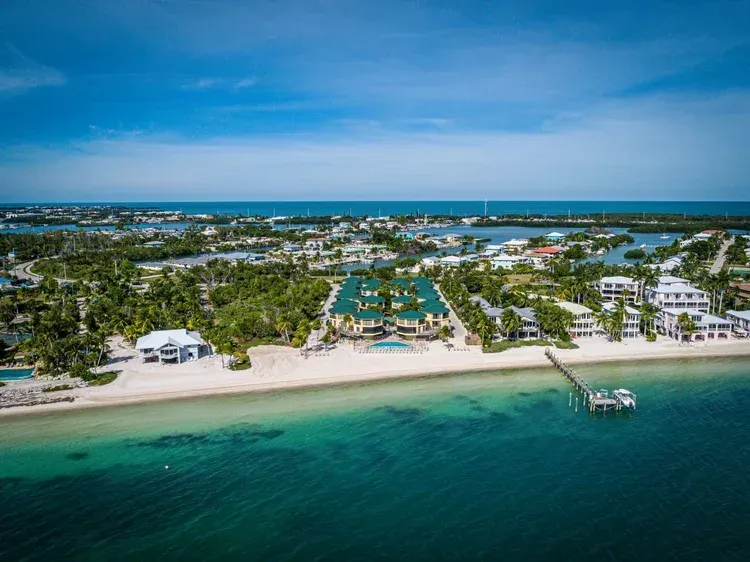
This quieter, more natural alternative to Sombrero Beach offers a peaceful shoreline walk along the Atlantic coast of Fat Deer Key. The beach maintains a more secluded atmosphere with less development, making it popular with locals and nature lovers.
Sea oats and native vegetation line the shore, and the gentle waters make this an excellent spot for wading and observing shorebirds. The area connects to jogging trails through the Coco Plum development.
Pet-friendly: Unlike some Keys beaches, Coco Plum allows leashed dogs, making it a favorite for guests traveling with their four-legged companions.
Our pet-friendly vacation rentals welcome well-behaved dogs for an additional fee.
What Is the Best Time to Explore Marathon’s Nature Trails?
The Florida Keys enjoy mild weather year-round, but each season offers distinct advantages for nature enthusiasts.
| Season | Temperatures | Best For | Considerations |
| Winter (Dec–Feb) | 65–75°F | Birding, hiking, all trails | Peak tourist season; book accommodations early |
| Spring (Mar–May) | 75–85°F | Wildflowers, bird migration, kayaking | Comfortable temperatures; fewer crowds than winter |
| Summer (Jun–Aug) | 85–90°F | Water activities, early morning hikes | Afternoon thunderstorms; mosquitoes more active |
| Fall (Sep–Nov) | 80–85°F | Hawk migration, uncrowded trails | Hurricane season; check weather forecasts |
Insider tip: The Florida Keys Birding and Wildlife Festival takes place each fall at Curry Hammock State Park, featuring expert-led field trips and educational programs.
What Should I Bring for Hiking in the Florida Keys?
The Keys’ unique environment requires some specific preparation.
Essential gear:
- Sturdy closed-toe shoes (coral rock trails are uneven)
- Reef-safe sunscreen and a wide-brimmed hat
- Insect repellent (mosquitoes and no-see-ums are common)
- Plenty of water (at least 1 liter per person for longer trails)
- Binoculars for wildlife viewing
Leave at home: Flip-flops and sandals are not suitable for most nature trails. The fossilized coral rock is sharp and uneven.
Wildlife safety: Never approach or feed wildlife. Key deer may seem friendly but feeding them is illegal and harmful to their health. Maintain distance from alligators at the Blue Hole.
Plan Your Nature Adventure from Your Marathon Vacation Rental
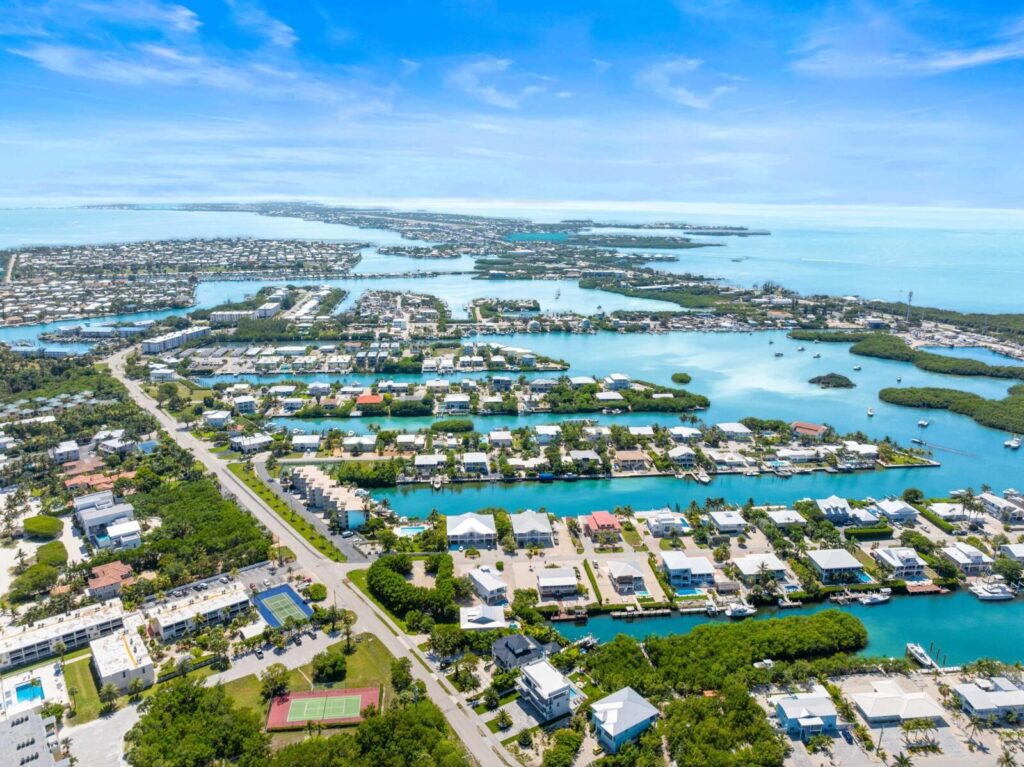
The best thing about exploring Marathon’s wild side? You can return each evening to your own private retreat. Our waterfront vacation rentals put you minutes from all these natural destinations while offering amenities like private pools, docks for your boat or kayak, and outdoor spaces to relax after a day on the trails.
Whether you’re seeking a family-friendly home near Sombrero Beach or a secluded waterfront property with kayak access for exploring the backcountry, we have the perfect base for your Florida Keys adventure.
Browse all Marathon vacation rentals or contact our team for personalized recommendations.
Are there hiking trails in the Florida Keys?
Yes, the Florida Keys offer several hiking trails, though they differ from traditional mountain or forest hikes. Marathon FL features trails through tropical hardwood hammocks, mangrove forests, and along historic bridges. Popular options include Crane Point’s 63-acre trail network, Curry Hammock State Park’s 1.5-mile nature trail, and the 2.2-mile Old Seven Mile Bridge walk.
Is Crane Point worth visiting?
Crane Point Museum & Nature Center is one of Marathon’s most worthwhile attractions, especially for nature lovers and families. The 63-acre preserve features multiple trails through one of the last remaining tropical hardwood hammocks in the Keys, a wild bird rescue center, historic buildings, butterfly gardens, and educational exhibits. Plan 2–3 hours for a complete visit.
Can you walk across the Seven Mile Bridge?
You can walk across the restored section of the Old Seven Mile Bridge, which extends 2.2 miles from Marathon to Pigeon Key. The modern Seven Mile Bridge (the one cars drive on) does not allow pedestrian access. The Old Seven Mile Bridge reopened in January 2022 as a pedestrian and cyclist trail.
How much does it cost to enter Bahia Honda State Park?
Bahia Honda State Park charges $8 per vehicle (for 2-8 people) plus a 50-cent per person Monroe County surcharge. Single-occupant vehicles and motorcycles pay $4.50. Pedestrians and cyclists pay $2.50. The park is open from 8am until sunset every day of the year.
Are dogs allowed on Florida Keys trails?
Dog policies vary by location. National Key Deer Refuge allows leashed dogs on most trails (but not advised at Blue Hole to avoid disturbing wildlife). Florida State Parks require dogs to be on 6-foot leashes and do not allow them on beaches. Coco Plum Beach is pet-friendly with leashed dogs welcome.
What wildlife can I see in Marathon FL?
Marathon and surrounding areas are home to diverse wildlife including Key deer, American crocodiles, manatees, sea turtles, dolphins, numerous bird species (herons, egrets, white-crowned pigeons, raptors), and marine life like stingrays and nurse sharks. The National Key Deer Refuge’s Blue Hole is one of the few places in the Keys where you can reliably see alligators.
When is the best time for birding in the Florida Keys?
The Florida Keys offer excellent birding year-round, but spring (March–May) and fall (September–November) migrations bring the greatest variety of species. Curry Hammock State Park hosts the annual Florida Keys Hawkwatch from August through November, with birding experts on-site to help identify raptors.