Best Miami Neighborhoods to Explore: A Visitor’s Guide (2026)
Share:
What Are the Best Miami Neighborhoods to Explore?
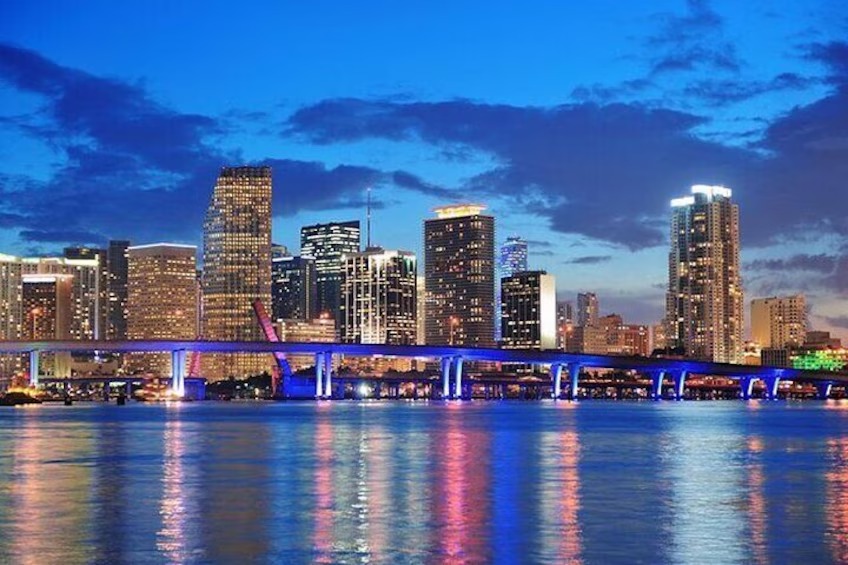
Miami’s best neighborhoods for visitors include Wynwood for street art and craft breweries, Little Havana for Cuban food and live music, the Design District for luxury shopping and galleries, Brickell for rooftop dining and urban energy, Coconut Grove for bayfront parks and historic estates, and Downtown Miami for world-class museums and waterfront views. Each neighborhood has its own personality, and most are within 15 minutes of each other by car or rideshare.
Quick Answer: The six best Miami neighborhoods to explore are Wynwood, Little Havana, Miami Design District, Brickell, Coconut Grove, and Downtown Miami, each offering a completely different side of the city.
What Makes Wynwood Worth Visiting?
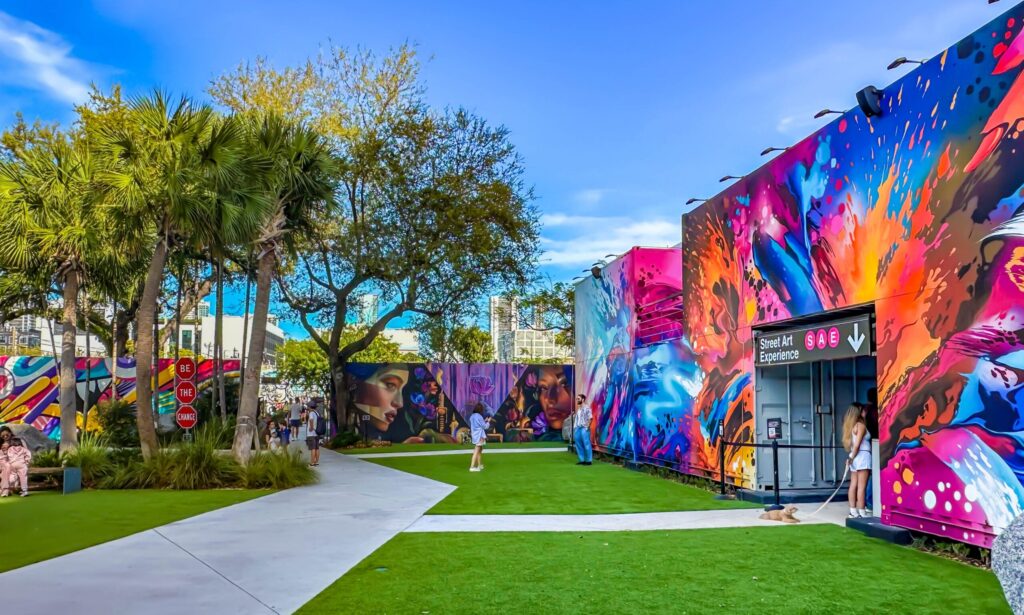
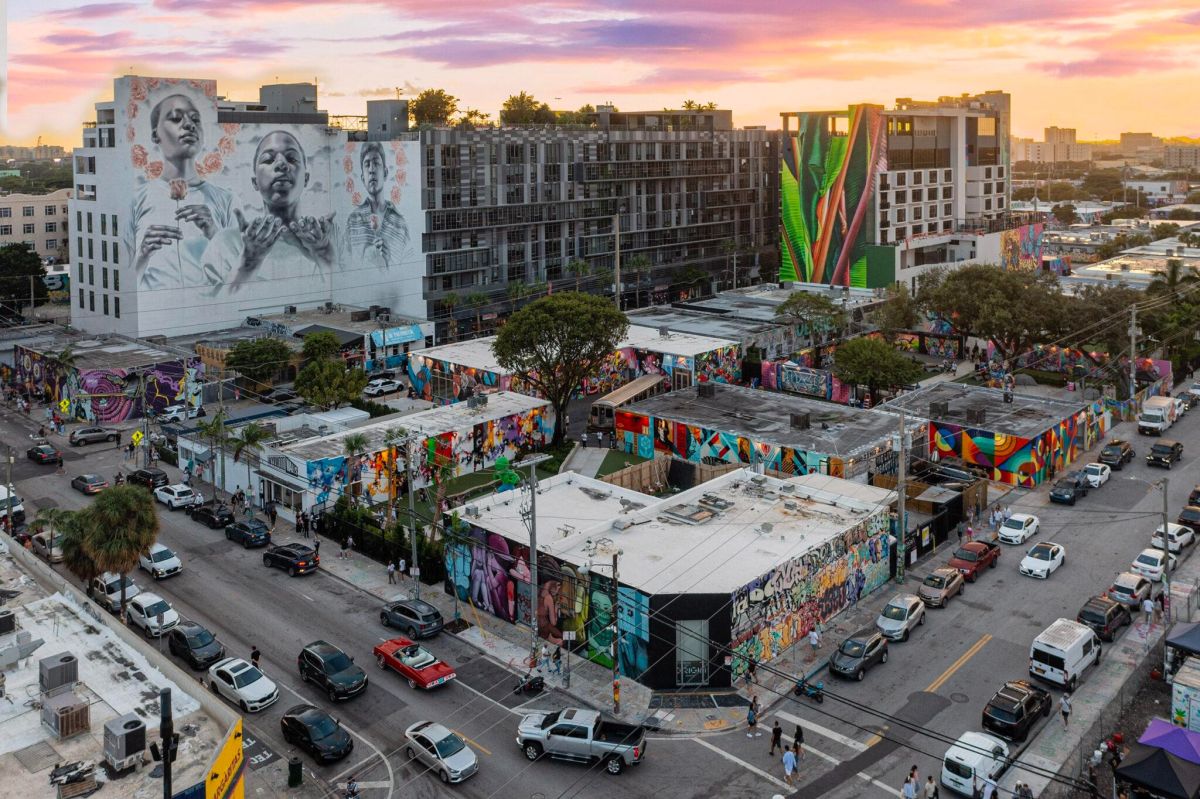
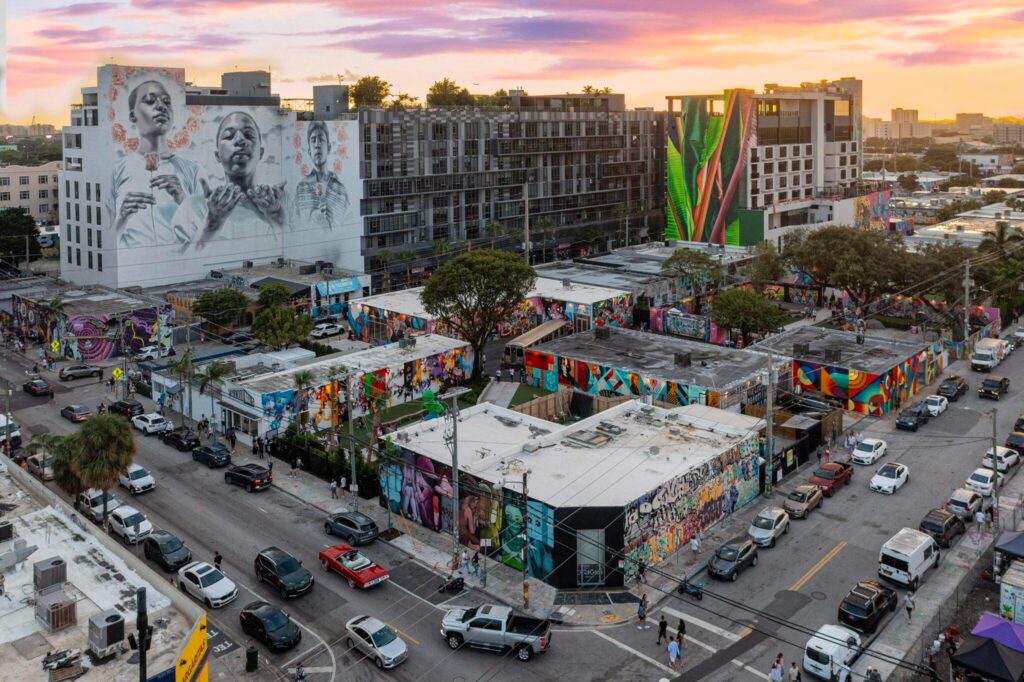
Wynwood is Miami’s street art capital and one of the most walkable neighborhoods in the city. A decade ago, this were empty warehouses. Now it’s covered in hundreds of large-scale murals across a dozen blocks north of Downtown, and the food and brewery scene has grown to match.
The anchor attraction is Wynwood Walls, an outdoor museum that has featured work from over 70 artists representing 16 countries since it opened in 2009. Admission is ticketed, but the surrounding streets are free to explore and just as impressive. Plan 60 to 90 minutes inside the Walls complex, then budget another hour or two for the surrounding blocks.
Walking the murals is only part of it. Wynwood has developed a serious food and drink scene that holds its own against any neighborhood in Miami. Panther Coffee on NW 2nd Avenue has been the unofficial neighborhood living room since 2010 and remains the best espresso in the district. Coyo Taco serves late-night tacos through a hidden back-room bar. Zak the Baker does sourdough and pastries that draw a line before opening.
The craft brewery cluster is worth a full afternoon. Wynwood Brewing Company opened in 2013 as Miami’s first craft brewery and still pours some of the best beer in the neighborhood. J. Wakefield Brewing draws crowds for its IPAs and Star Wars theming. Cerveceria La Tropical revives a historic Cuban brewery brand with Latin-inspired beers and frequent live events.
For galleries beyond the Walls, the Museum of Graffiti on NW 25th Street is the world’s first museum dedicated to graffiti art. General admission runs around $17 for adults, and most visitors spend about an hour inside. The Margulies Collection at the Warehouse, open during the winter season, displays works by Miro, Lichtenstein, and Warhol across 50,000 square feet of exhibition space.
When to go
Weekday mornings are quietest. The mural gates at Wynwood Walls go up around 9am, and the neighborhood slowly wakes up from there. Saturday nights are the busiest, especially during Art Walk events held on the second Saturday of each month. If you want photos without crowds, aim for a Tuesday or Wednesday morning.
Why Should Visitors Explore Little Havana?
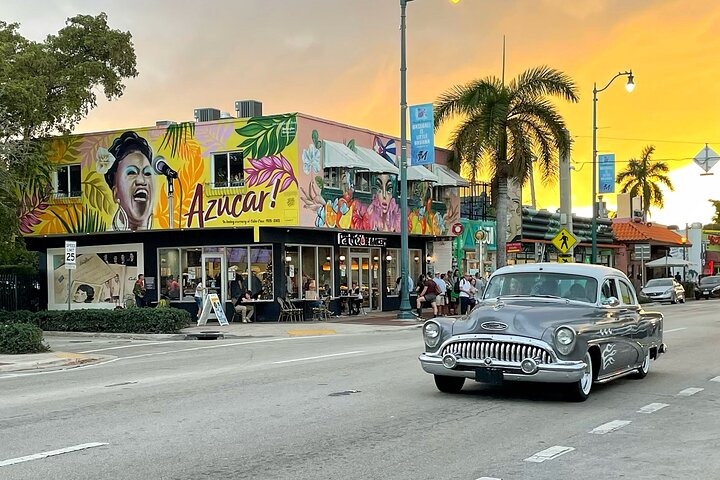
Little Havana is the cultural heart of Miami’s Cuban-American community and one of the most distinctive neighborhoods in any American city. Centered on Calle Ocho (SW 8th Street), the neighborhood delivers a concentrated dose of live Latin music, hand-rolled cigars, strong cafecito, and family-run restaurants that have been operating for decades.
Start at Domino Park (officially Maximo Gomez Park) at SW 15th Avenue and 8th Street. Older Cuban men play dominoes here every day, and visitors are welcome to watch. It sounds simple. It is. And it might be the most human thing you can do in Miami.
Walk west along Calle Ocho and you’ll pass fruit stands selling fresh guarapo (sugarcane juice), cigar shops where rollers work behind the window, and bakeries turning out pastelitos (flaky Cuban pastries filled with guava or cream cheese). Versailles Restaurant at 3555 SW 8th Street has operated since 1971 and remains the city’s most famous Cuban restaurant, though locals will tell you the window counter serves faster and just as well.
The food along Calle Ocho ranges from counter-service Cuban sandwiches to sit-down Latin restaurants. Azucar Ice Cream Company makes small-batch flavors like cafe con leche and abuela Maria, all rooted in Cuban recipes. Ball & Chain, a restored 1935 music venue at 1513 SW 8th Street, hosts live salsa, jazz, and Latin bands most nights and is worth a visit for the architecture alone.
Several tour operators run guided walking tours of Little Havana that include food tastings, cigar demonstrations, and stops at local art galleries. These typically run two to three hours and cost between $40 and $70 per person. They’re a good option if you want historical context with your experience, but the neighborhood is perfectly walkable on your own.
What Can You Do in the Miami Design District?
The Miami Design District packs high-end fashion, contemporary art, and some of the city’s best restaurants into roughly 18 square blocks north of Midtown. It has the feel of an open-air luxury mall, but with better architecture and more interesting public art installations than you’d find in any enclosed shopping center.
The district is home to flagship stores from Louis Vuitton, Dior, Prada, Hermes, and dozens of other luxury brands, most housed in buildings designed by architects who clearly had generous budgets. Even if high fashion is not your thing, the buildings themselves are worth seeing.
Public art rotates throughout the district. You’ll find large sculptures in the plazas and interactive pieces tucked into walkways between buildings. The Institute of Contemporary Art (ICA Miami) offers free admission and shows experimental contemporary work across multiple gallery spaces. It’s one of the few free major art institutions in the city.
The food here skews upscale but delivers. Michael’s Genuine Food & Drink has been a neighborhood anchor for years, serving farm-to-table American food with an open kitchen and a patio that fills up on weekends. MC Kitchen does modern Italian with hand-made pastas and an extensive wine list. For something quicker, Harry’s Pizzeria (from the same team as Michael’s Genuine) serves some of the best pizza in Miami at a fraction of the price.
Best for
The Design District works well for a half-day visit. Pair it with Wynwood, which sits just to the south, for a full day of art, food, and shopping without needing to drive between stops.
What Is Brickell Like for Visitors?
Brickell is Miami’s financial district and its densest urban neighborhood. Glass towers line Biscayne Bay, and the sidewalks stay busy with young professionals and visitors heading to rooftop bars and waterfront restaurants.
Brickell City Centre anchors the neighborhood’s retail scene with an open-air shopping complex that includes a cinema, restaurants, and a solid mix of stores. The elevated Climate Ribbon, an architectural feature that channels breezes and controls shade, keeps the outdoor areas comfortable even in Miami’s summer heat.
Dining in Brickell leans international. Quinto La Huella brings Uruguayan wood-fire grilling to the top floor of the EAST Miami hotel with panoramic bay views. La Mar by Gaston Acurio, inside the Mandarin Oriental, serves Peruvian ceviche and seafood on a waterfront terrace. Both require reservations, especially on weekends.
Brickell’s rooftop bar scene is one of its biggest draws for visitors. Sugar, on the 40th floor of the EAST Miami hotel, offers views from Downtown to Key Biscayne alongside Asian-inspired cocktails. It’s a popular sunset destination, so arriving before 6pm secures better seating.
The free Metromover runs through Brickell and connects it to Downtown Miami, so you can move between neighborhoods without driving. The Brickell station links directly to the Museum Park station near PAMM and the Frost Museum, about a five-minute ride.
Why Visit Coconut Grove?
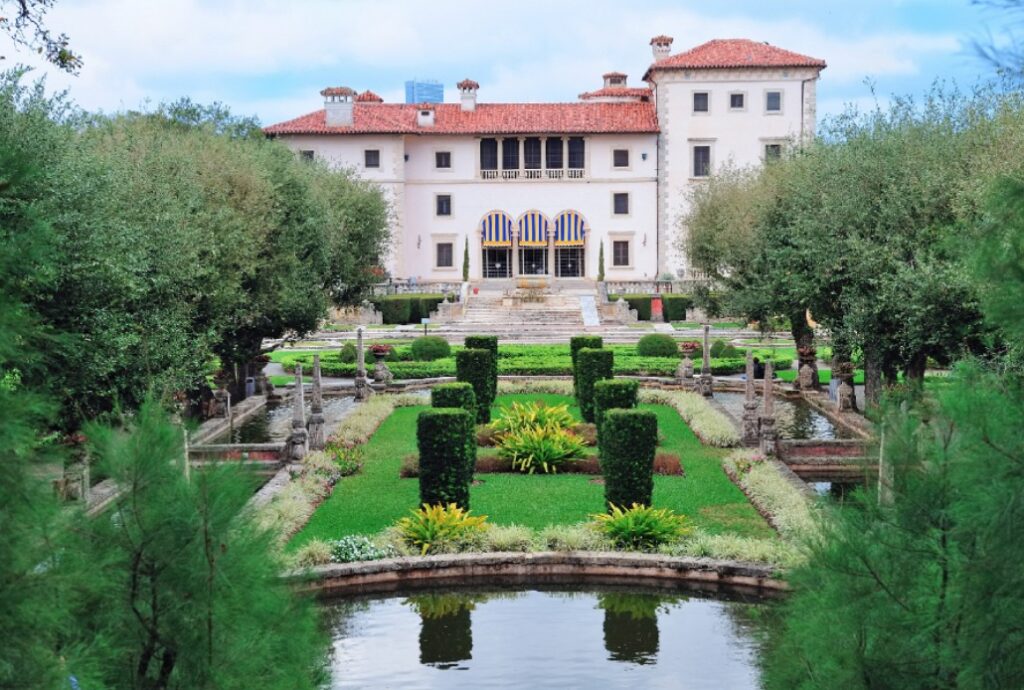
Coconut Grove is Miami’s oldest continuously inhabited neighborhood, and it feels like it. Banyan-lined streets, independent bookshops, waterfront parks, and a pace that runs noticeably slower than the rest of the city. It’s the neighborhood where locals go when they want a quiet weekend afternoon.
The main draw for visitors is Vizcaya Museum and Gardens, a National Historic Landmark built between 1914 and 1922 as the winter home of industrialist James Deering. The estate features a 34-room main house filled with European antiques and 10 acres of formal Italian-style gardens overlooking Biscayne Bay. Open Wednesday through Monday, 9:30am to 4:30pm. Closed Tuesdays. Budget two to three hours for the house and gardens. Current adult admission is $25.
Beyond Vizcaya, Coconut Grove’s CocoWalk is a recently renovated open-air shopping and dining complex at the intersection of Grand Avenue and Main Highway. It has a boutique cinema, restaurants, and shops that cater to the neighborhood’s mix of families, students, and longtime residents.
The Barnacle Historic State Park preserves the 1891 home of Ralph Middleton Munroe, one of Coconut Grove’s founding residents. The five-acre waterfront park is one of the quietest green spaces in Miami and charges just $2 per person for walk-in visitors. Guided house tours run on select days.
Peacock Park and the adjacent bayfront provide an open green space for running, picnicking, or watching sailboats move across the water. The Saturday farmers market at Vizcaya Village draws locals with produce, prepared foods, and craft vendors.
What Should You See in Downtown Miami?
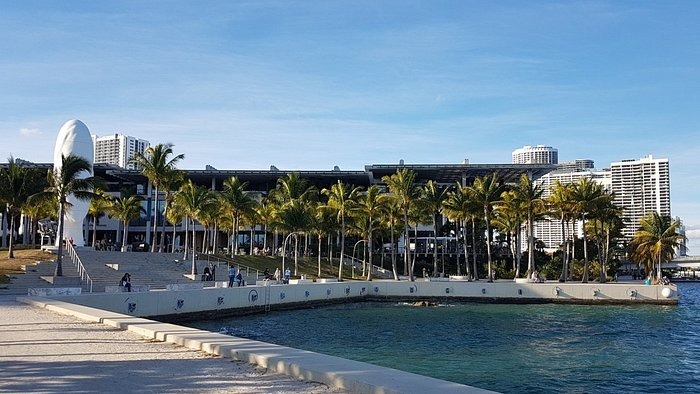
Downtown Miami used to empty out after business hours. That changed when two major museums opened on the same bayfront park, and the restaurants and residential towers followed.
Perez Art Museum Miami (PAMM) occupies a striking Herzog & de Meuron-designed building on Biscayne Bay. The museum focuses on 20th and 21st century art with a strong emphasis on Latin American, Caribbean, and African diaspora artists. The collection includes over 3,000 works across 15 rotating gallery spaces. Current hours are Monday 11am to 6pm, Thursday 11am to 9pm, Friday through Sunday 11am to 6pm. Closed Tuesdays and Wednesdays. Adult admission is $16. Free second Saturdays offer extended hours from 10am to 9pm.
Right next door, the Phillip and Patricia Frost Museum of Science combines a planetarium, aquarium, and science museum into one 250,000-square-foot facility. The three-level Gulf Stream Aquarium with its 500,000-gallon tank and 31-foot oculus lens is the highlight, giving visitors an underwater view of sharks, rays, and pelagic fish swimming overhead. The Frost Planetarium seats 250 in a tilted auditorium with a nearly 360-degree 8K visual system. Open daily, Monday through Thursday 10am to 5pm, Friday through Sunday 10am to 6pm.
Both museums sit in Maurice A. Ferre Park, and a combo pass saves roughly 15% over individual tickets. The free Metromover drops you at Museum Park station, which is steps from both entrances. Plan four to five hours if you want to see both properly.
Bayside Marketplace, a short walk south along the bay, has an outdoor food court, live music stages, and boat tour departures. It’s touristy by design, but the waterfront setting is pleasant and the variety of boat tours, including Biscayne Bay cruises, fishing charters, and speedboat rides, makes it a useful launch point for water-based activities.
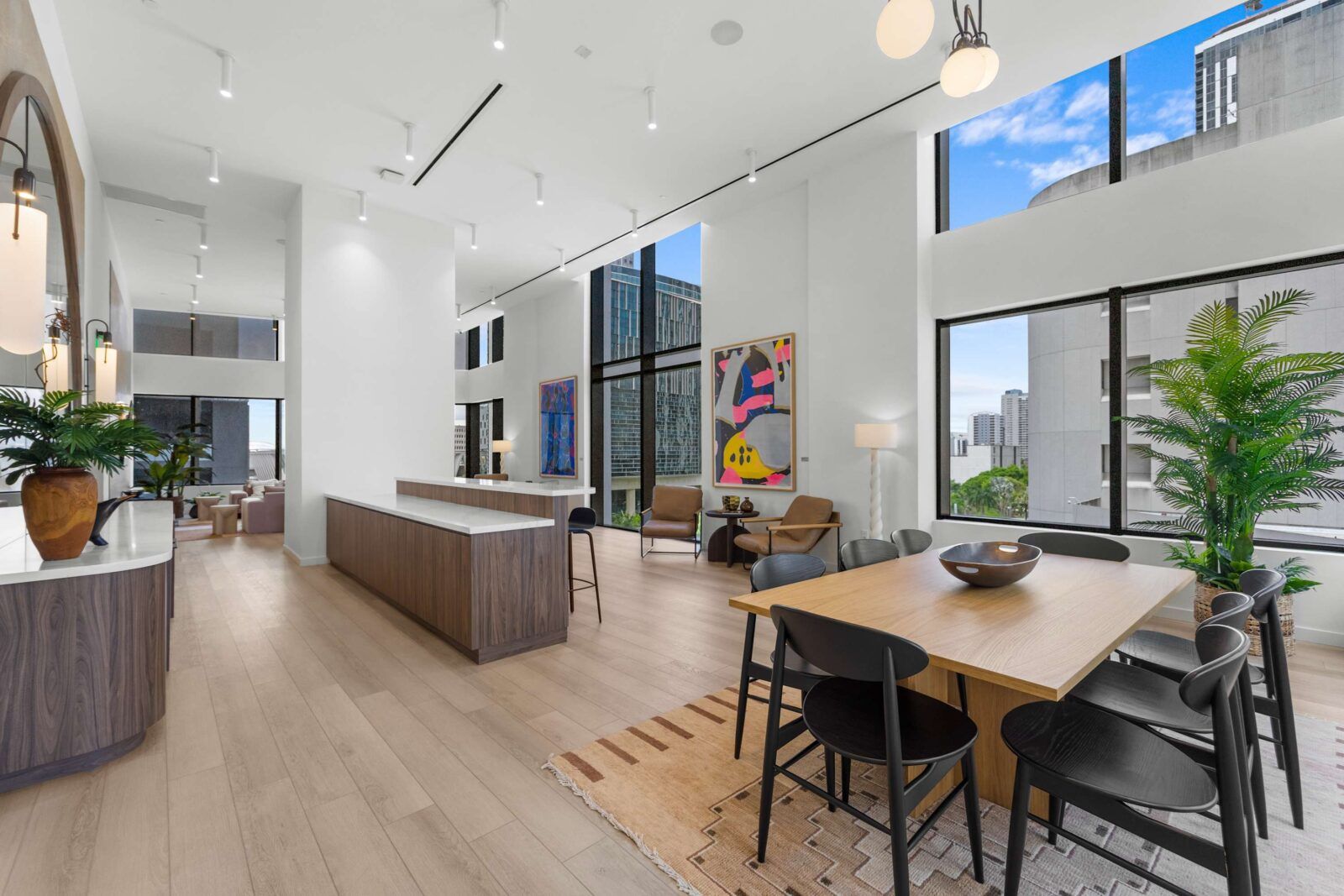
For visitors staying in Downtown Miami, the neighborhood puts you within walking distance of these cultural anchors while keeping you connected to the rest of the city via Metromover, Brightline rail, and easy rideshare access. Villa Paraiso manages Sky Mirage, a high-rise suite in the District 225 building in Downtown Miami. The building includes a Full Swing golf simulator, coworking cafe, fitness studio, private dining room, and multiple resident lounges. It’s closer to a boutique hotel experience than a typical vacation rental.
How Do You Get Between Miami Neighborhoods?
Miami’s neighborhoods are close together geographically but spread across a sprawling metro area. Here’s what actually works for getting around:
| Method | Best For | Cost | Notes |
| Rideshare (Uber/Lyft) | Most trips | $8-20 per ride | Fastest and most flexible |
| Metromover | Downtown, Brickell, Museum Park | Free | Limited coverage but great where it goes |
| Walking | Within Wynwood, Design District, Coconut Grove | Free | Most neighborhoods are internally walkable |
| Rental car | Day trips to Coconut Grove, Little Havana | $40-80/day | Parking can be a challenge in some areas |
| Brightline | MIA Airport to Downtown | ~$12 | Fast train connection, 15-minute ride |
The Metromover is surprisingly useful if you’re moving between Downtown, Brickell, and Museum Park. It’s free, air-conditioned, and runs frequently. Beyond those areas, rideshare is the most practical option.
Parking in Wynwood is easier than you’d expect, with garages near NW 26th Street charging reasonable flat rates. Brickell has garage parking at Brickell City Centre. Coconut Grove has metered street parking and small lots. Little Havana has plentiful free street parking.
Insider Tips from Our Team
After years of welcoming guests to our Miami properties and fielding hundreds of “where should we go?” questions, here are the patterns we’ve noticed.
Most first-time visitors try to pack too many neighborhoods into one day. Pick two, maybe three neighborhoods per day and actually sit down for a meal in each one. You’ll enjoy the city far more than if you’re rushing between photo stops.
Morning is for Wynwood (fewer crowds, better light for mural photos) or Vizcaya in Coconut Grove (the gardens are least crowded before 11am). Afternoon works well for the Design District or the Downtown museums. Save Little Havana and Brickell’s rooftop bars for evening, when the music picks up and the sunset views are at their best.
If you only have one day in Miami, the combination that works for the widest range of visitors is Wynwood in the morning, lunch in the Design District, PAMM or Frost Museum in the afternoon, and dinner in Brickell. That sequence keeps you moving roughly north to south without doubling back.
Should You Visit Miami or Key West?
This is one of the most common questions we hear from guests planning a South Florida trip. The honest answer: they’re completely different vacations, and the right choice depends on what you’re after.
Miami is a global city. It has world-class museums, dozens of distinct neighborhoods, international dining at every price point, rooftop bars 40 stories above Biscayne Bay, and a nightlife scene that runs until sunrise. You can spend a full week in Miami and still feel like you missed entire neighborhoods. It rewards the kind of traveler who wants to wander. The trade-off is that it’s a sprawling metro area, so getting between destinations requires planning.
Key West is a small island town at the bottom of a 113-mile chain of islands. It operates on a different clock entirely. The daily rhythm starts with fishing at dawn, moves through long lunches and afternoon naps, and peaks at the nightly sunset celebration at Mallory Square. The entire historic district is walkable, the dress code is flip-flops year-round, and the bars on Duval Street have been open since before most Miami clubs were built. Hemingway lived here. Jimmy Buffett got famous here. The town doesn’t try to impress you. It just invites you to slow down.
Here’s how they stack up on the things visitors care about most:
| Category | Miami | Key West |
| Vibe | Cosmopolitan, fast-paced, multicultural | Laid-back, bohemian, island time |
| Beaches | Wide, sandy, resort-lined (South Beach, Miami Beach) | Smaller, intimate, coral sand (Fort Zachary Taylor, Smathers) |
| Food | Global fine dining, Latin fusion, celebrity chefs | Fresh seafood, Cuban-Key West fusion, casual open-air spots |
| Nightlife | Mega clubs, rooftop bars, DJ culture until sunrise | Duval Street dive bars, live music, sunset cocktails |
| Art and culture | PAMM, Wynwood Walls, ICA, Design District galleries | Hemingway Home, Audubon House, local galleries, Mallory Square |
| Water activities | Bay cruises, jet skiing, paddleboarding | Snorkeling, diving (third-largest reef system), Dry Tortugas day trips |
| Getting around | Car or rideshare needed, Metromover in Downtown/Brickell | Walk or bike everywhere in Old Town |
| Best for | Couples, culture seekers, foodies, nightlife | Divers, anglers, history buffs, those who want to unplug |
| Average daily cost | $150-300+ per person | $175-350+ per person |
| Drive from Miami | You’re already here | 3.5-4 hours via US-1 through the Florida Keys |
Why not both?
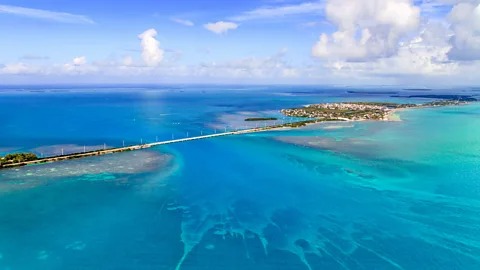
Many of our guests do both. They’ll spend a few days exploring Miami’s neighborhoods, then drive down through the Florida Keys to Marathon (the midpoint) and on to Key West. The drive itself is one of the best road trips in America, crossing 42 bridges with open water on both sides. If you’re planning that route, our guide to getting around the Florida Keys covers every practical detail, from traffic patterns to shuttle options.
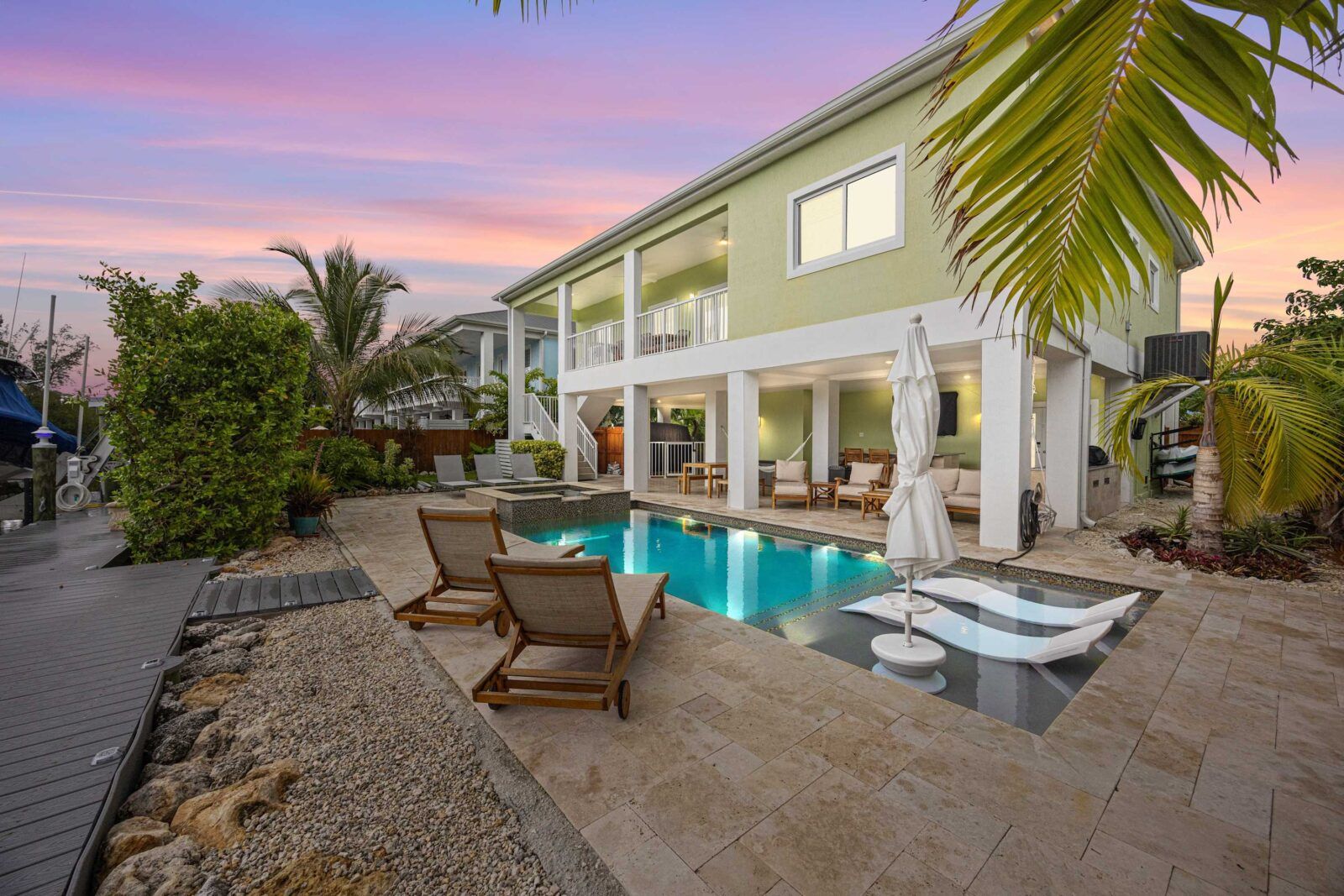
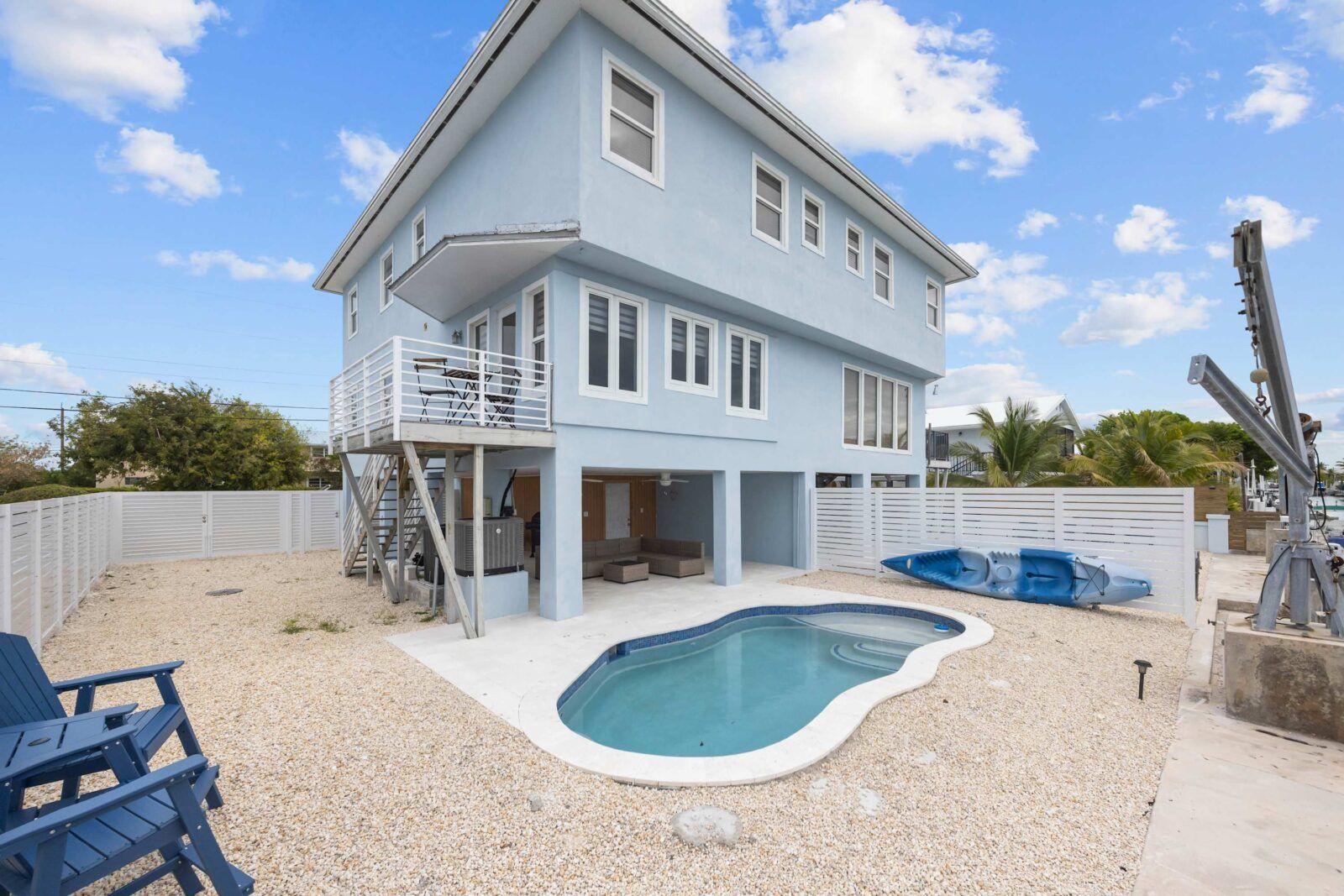
Villa Paraiso manages properties in both Miami and Marathon, so you can split your trip between city and island without switching management companies. Start with the urban energy of Sky Mirage or Villa Paradise in Miami, then head south to one of our waterfront Marathon properties with private docks, heated pools, and kayak access for the laid-back half of your trip.
Where to Stay in Miami
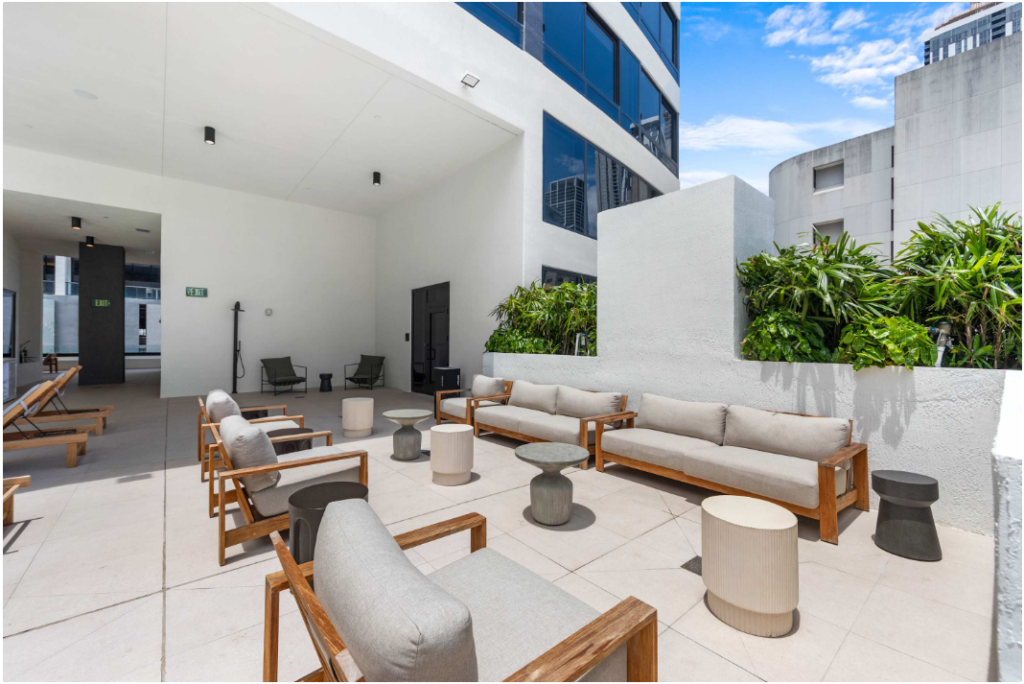
Where you stay in Miami matters more than in most cities. Staying in Downtown Miami or Brickell puts you within walking distance of museums, waterfront dining, and the free Metromover system. Both areas work well for couples and small groups who want urban energy without needing a car for every outing.
Villa Paraiso manages vacation rentals across Miami that give you more square footage and better amenities than a hotel room at a comparable price point. Our Villa Paradise property in southern Miami sleeps up to 8 guests across three bedrooms and includes a private pool, game room with arcade and pool table, full kitchen, and a peaceful residential setting that’s still just minutes from Coconut Grove, Brickell, and Downtown. It’s rated 9.8/10 on Booking.com, and guests consistently mention the pool area and Michel’s responsiveness as highlights.
For travelers who prefer a Downtown high-rise experience, our Sky Mirage suite in the District 225 building puts you in the middle of everything. The building has a Full Swing golf simulator, coworking spaces, a shared chef’s kitchen, and a fitness studio, so it works for both productive mornings and lazy afternoons.
Ready to plan your Miami trip? Browse our Miami vacation rentals or contact Villa Paraiso directly at (786) 348-1396 for personalized neighborhood and property recommendations.
FAQ’s
What are the best neighborhoods to visit in Miami?
The best Miami neighborhoods for visitors are Wynwood for street art and craft breweries, Little Havana for Cuban food and live music, the Miami Design District for luxury shopping and contemporary galleries, Brickell for rooftop dining and nightlife, Coconut Grove for Vizcaya Museum and bayfront parks, and Downtown Miami for PAMM and the Frost Museum of Science. Most are within 15 minutes of each other by rideshare.
Is Wynwood Miami safe to walk around?
Wynwood is safe and very walkable during the day and evening hours, especially along NW 2nd Avenue and the surrounding blocks between NW 20th and NW 29th Streets. The neighborhood is well-trafficked by visitors and locals, with restaurants and galleries open into the evening. Like any urban area, stay aware of your surroundings on quieter side streets after dark.
How much time do you need in Little Havana?
Most visitors spend two to three hours exploring Little Havana’s Calle Ocho corridor. That gives you enough time to walk Domino Park, stop for cafecito and pastelitos, browse cigar shops, and sit down for a meal. Guided food and culture walking tours typically run about two and a half hours and cost between $40 and $70 per person.
Can you walk between Wynwood and the Miami Design District?
Yes. The Miami Design District sits directly north of Wynwood, and the walk between them takes about 10 to 15 minutes. Many visitors explore both in a single day, starting in Wynwood for the murals and moving north into the Design District for shopping, galleries, and lunch.
What is the free Metromover in Miami?
The Metromover is a free automated people-mover that runs elevated tracks through Downtown Miami, Brickell, and the Omni/Edgewater area. It connects major stops including Museum Park (for PAMM and Frost Science), Brickell City Centre, and Government Center. Trains run frequently during the day and are air-conditioned. It is one of the most useful and underrated ways to move between Downtown and Brickell without a car.
Where should I stay in Miami for the best access to neighborhoods?
Downtown Miami and Brickell offer the best central access to multiple neighborhoods. From Downtown, you can walk to PAMM and the Frost Museum, take the free Metromover to Brickell, and reach Wynwood or Little Havana in under 15 minutes by rideshare. Villa Paraiso manages vacation rentals in both Downtown Miami and southern Miami that put guests within easy reach of the city’s top neighborhoods.
What is the best day to visit Miami museums?
Thursday is the best day for museum visits. PAMM stays open until 9pm on Thursdays, and the Frost Museum of Science is open daily from 10am. Avoid Tuesdays and Wednesdays, when PAMM is closed. For free admission, PAMM offers free second Saturdays each month with extended hours from 10am to 9pm. Reserve free tickets online in advance, as spots fill up.
Should I visit Miami or Key West?
Choose Miami if you want world-class museums, diverse international dining, rooftop bars, luxury shopping, and a cosmopolitan city vibe. Choose Key West if you prefer a laid-back island town with walkable streets, fresh seafood, dive bars, snorkeling, and a slower pace. Many visitors do both by spending a few days in Miami, then driving through the Florida Keys to Marathon and Key West over the course of a week.