Florida Keys Short-Term vs. Long-Term Rentals: Which Strategy Earns More for Property Owners?
Share:
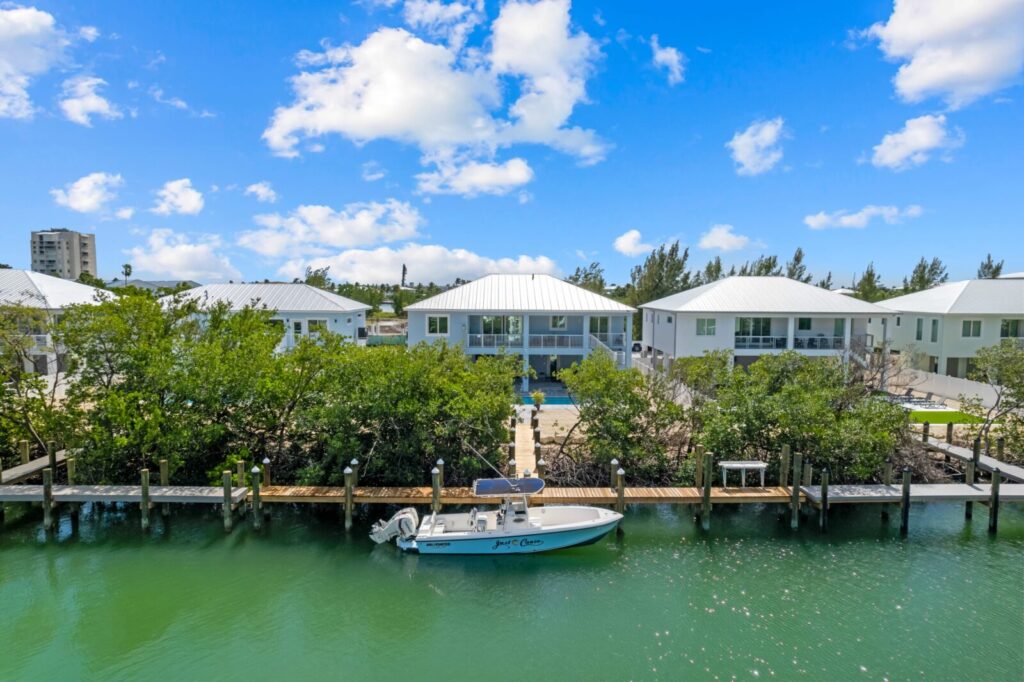
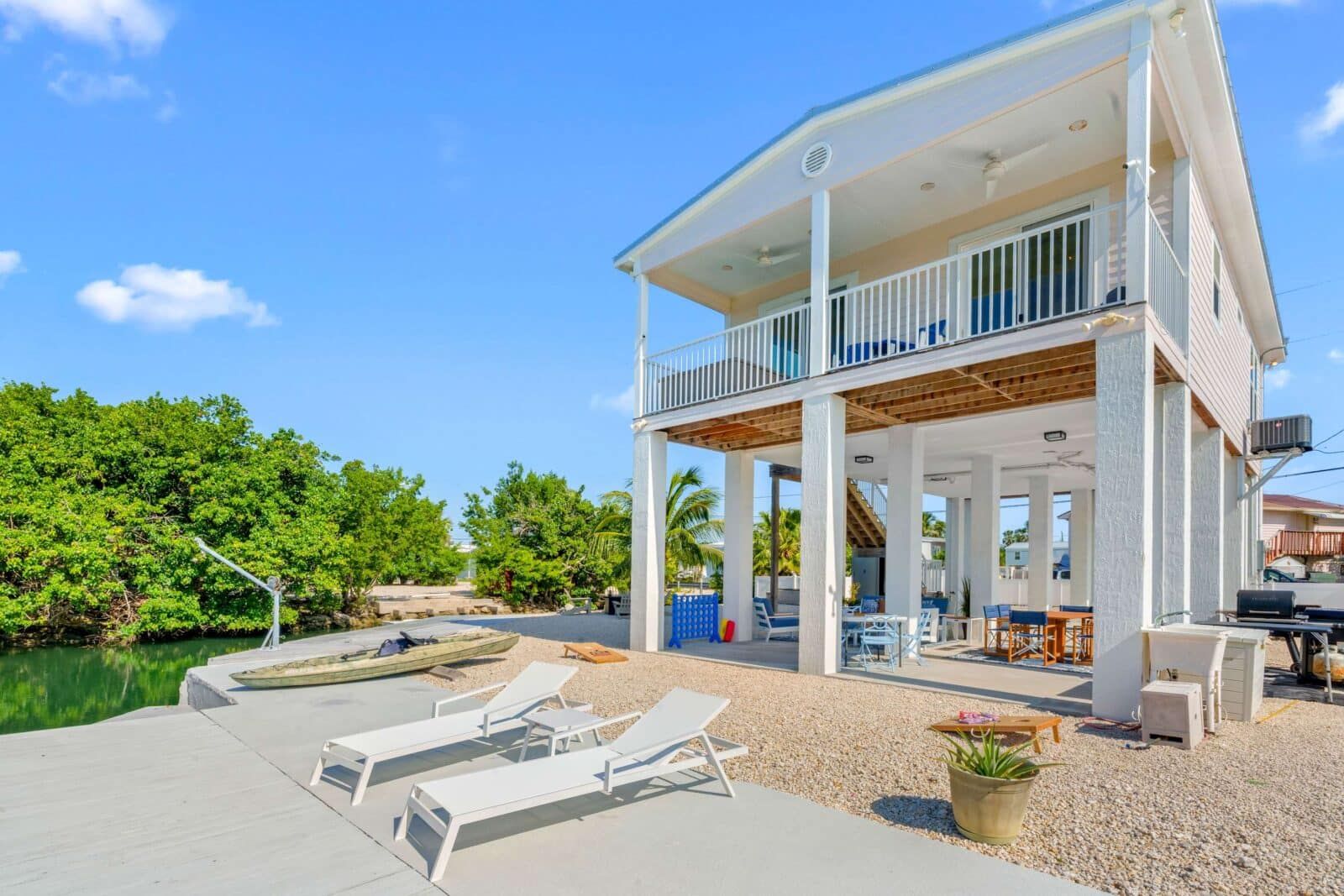
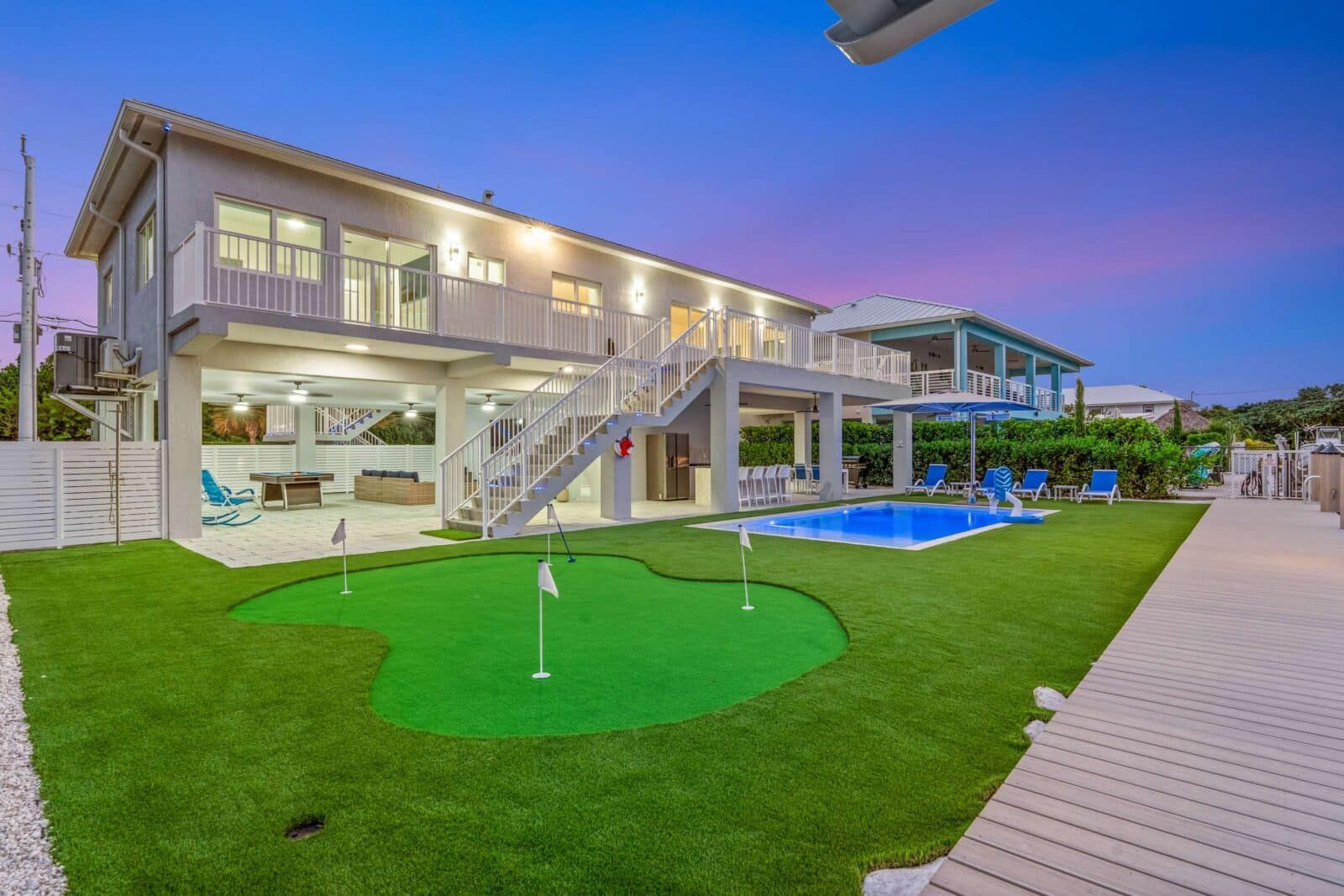
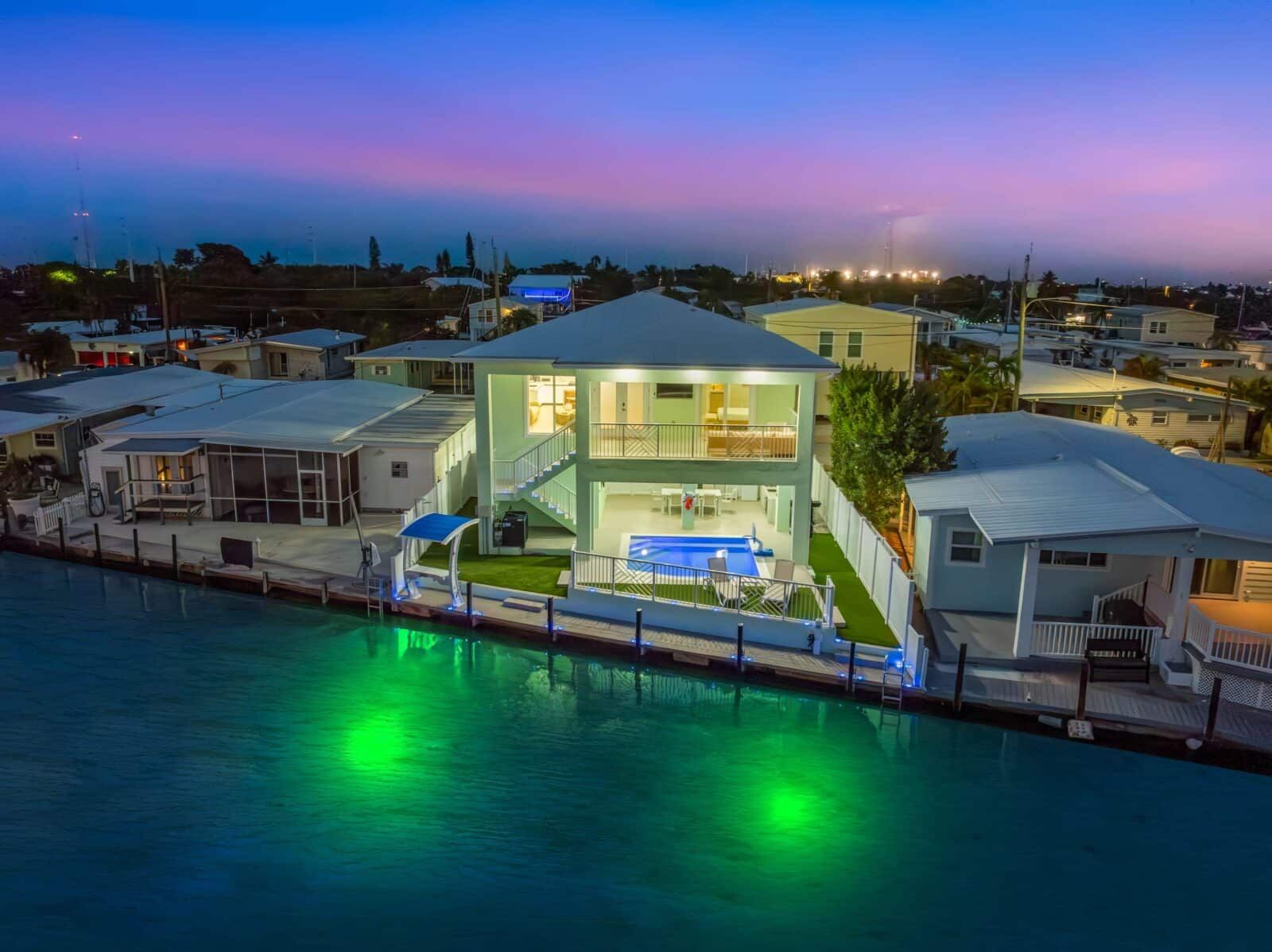
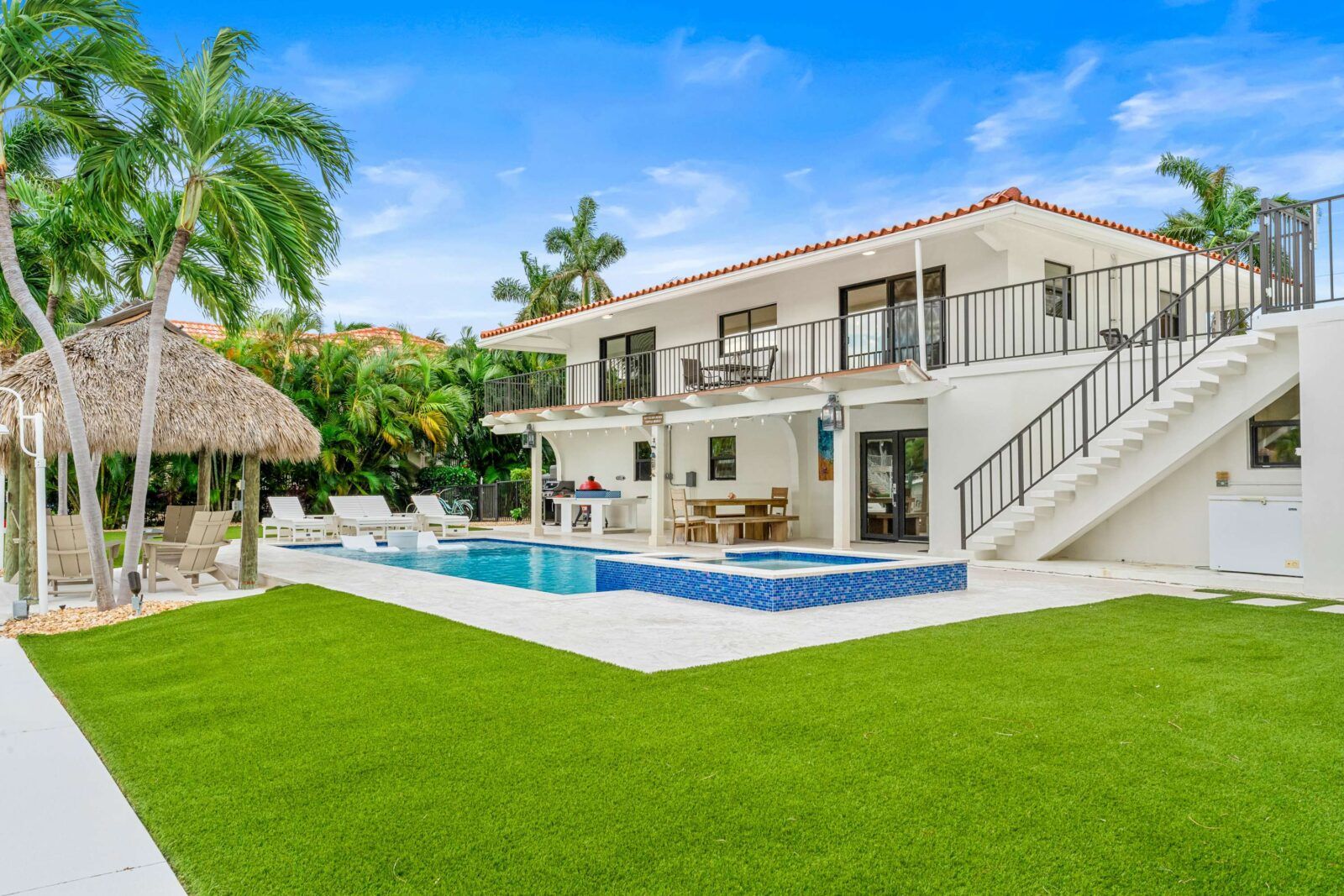
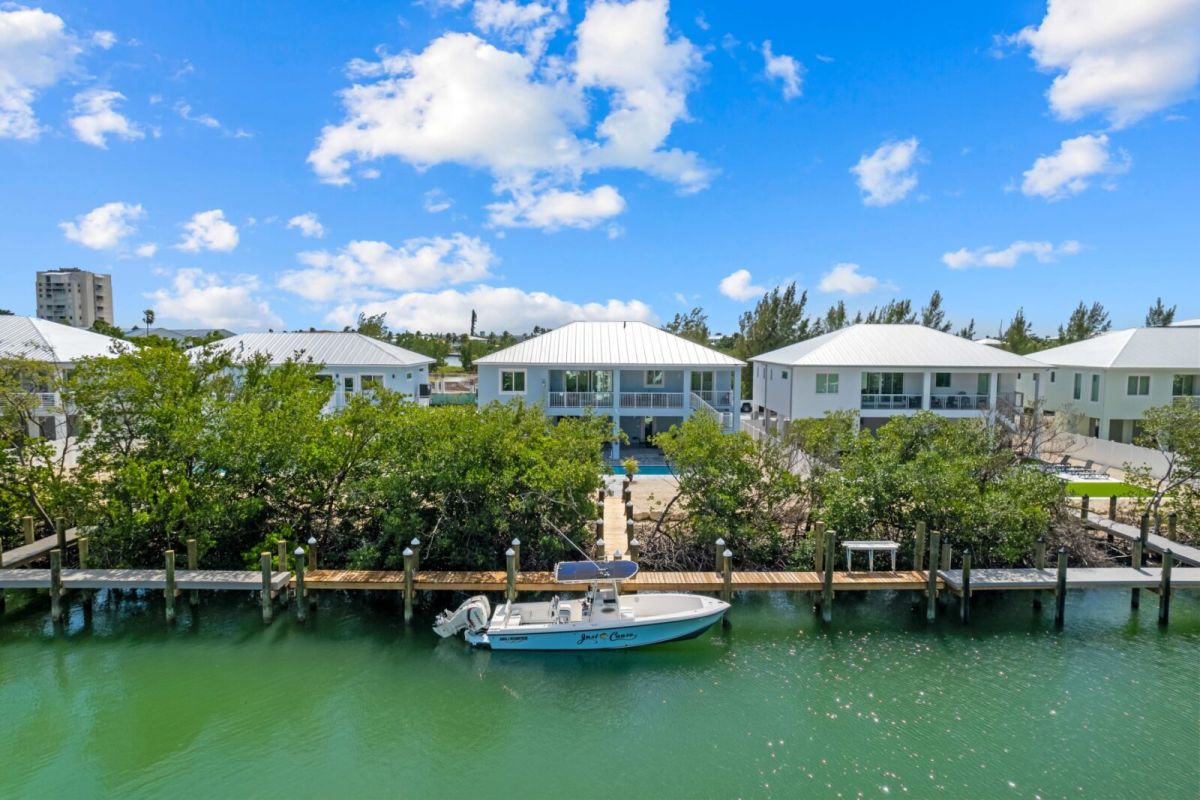
Short-term vacation rentals in the Florida Keys typically generate two to three times the annual income of long-term leases on comparable waterfront properties. A 4-bedroom canal-front home in Marathon that might rent for $4,000–$5,000 per month on a 12-month lease can command $400–$700 per night during peak season and $250–$400 per night in the off-season, that is translating to $120,000–$180,000 or more in gross annual revenue at healthy occupancy.
That gap is why more Florida Keys property owners are shifting from long-term tenants to vacation rental strategies. But the decision isn’t as simple as picking the higher number. Regulations, operating costs, management complexity, and your personal goals all factor in.
We’ve managed waterfront vacation rentals in Marathon for over six years. Here’s what that experience has taught us about both sides of the equation and why most owners who switch to short-term never go back.
The Revenue Case for Short-Term Rentals in the Florida Keys
The math tends to speak for itself. Florida’s statewide median rent sits around $1,900 per month as of late 2025. Even in the Keys, where long-term rents run higher than the state average, a 4-bedroom waterfront home might top out at $5,000–$6,000 monthly on a 12-month lease. That’s $60,000–$72,000 per year in gross income.
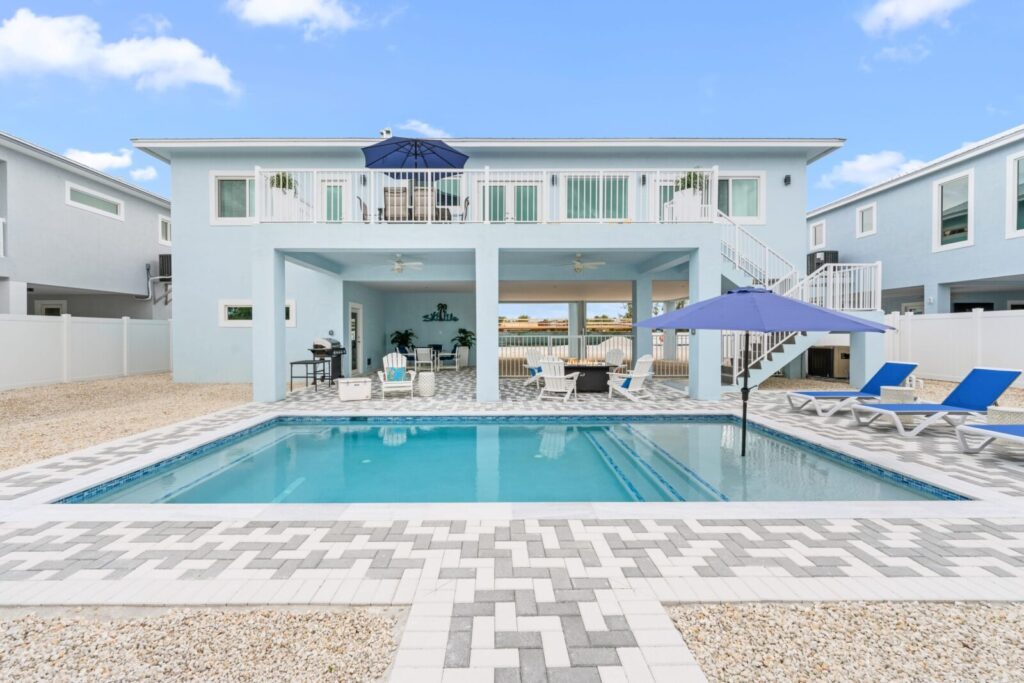
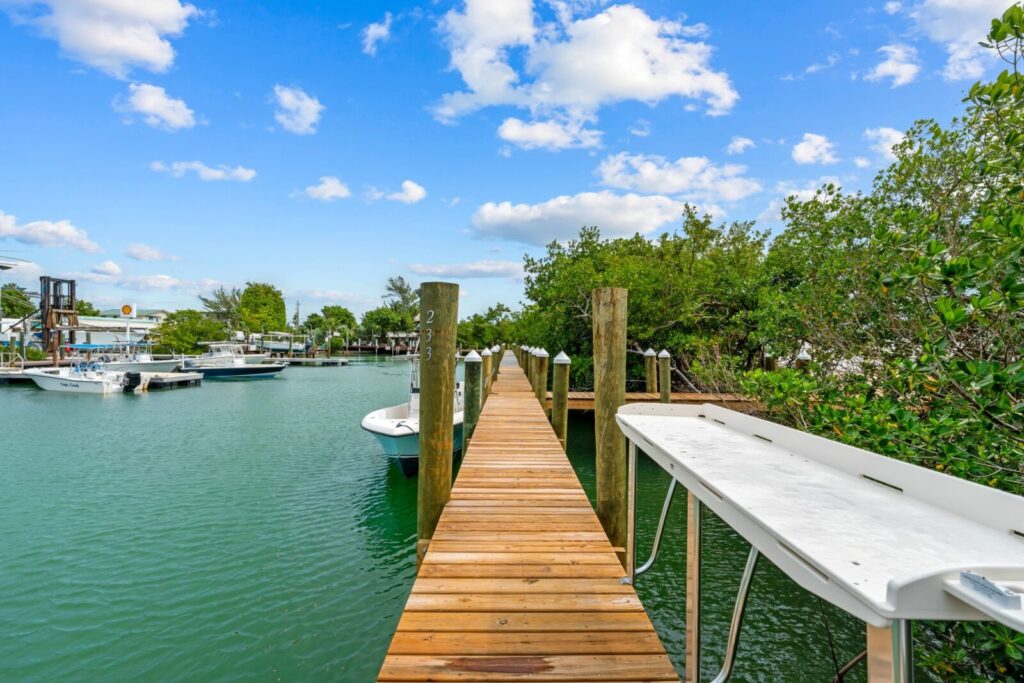
The same property, managed as a vacation rental with professional pricing and marketing, can generate double that figure. Properties in our Marathon portfolio with private pools, docks, and ocean access regularly produce $140,000–$180,000 in annual gross revenue. During peak season (December through April), nightly rates for luxury waterfront homes in Marathon range from $500 to $800+, and demand is strong enough that well-managed properties maintain 80–90% occupancy during those months.
The Florida Keys also have a structural advantage over other vacation markets: seasonality is milder here. Unlike a mountain ski town or even a Gulf Coast beach market that might see occupancy crater to 30–35% in the off-season, the Keys maintain steady demand year-round thanks to fishing tourism, international visitors, and remote workers seeking warm-weather escapes. Marathon properties that are priced and marketed well typically sustain 60–75% occupancy annually compared to the national vacation rental average of 62–66%.
That year-round demand is a major reason why the Florida Keys continue to outperform most vacation rental markets nationally.
What Long-Term Rentals Get Right
Long-term leases aren’t without advantages. There’s a reason many property owners stick with them, especially owners who live out of state or prefer minimal involvement in the day-to-day.
Predictable monthly income. A 12-month lease means you know exactly what’s coming in each month. No seasonal fluctuations, no slow weeknights, no empty calendars after a last-minute cancellation.
Lower operating costs. Long-term tenants handle their own utilities, keep the home clean, and generally require fewer touch points from you or a manager. You won’t budget for weekly cleanings, linen service, pool maintenance on a guest-ready schedule, or consumables like coffee and toiletries.
Minimal management effort. Once a qualified tenant is placed, the property largely runs itself until the lease renews. You’re not coordinating check-ins, fielding guest questions at midnight, or managing a listing across multiple booking platforms.
Near-full occupancy. Statewide, long-term rental vacancies in Florida hover around 5.5–6.5% in 2026, meaning properties stay occupied 94–95% of the time. That’s materially higher occupancy certainty than any vacation rental can offer.
For owners who want a hands-off investment or who need guaranteed monthly cash flow to cover a mortgage, these are real benefits.
Where Long-Term Rentals Fall Short in the Florida Keys
The challenge is that the Keys aren’t a typical rental market. Several factors make long-term leasing less attractive here than it might be in Tampa, Orlando, or Jacksonville.
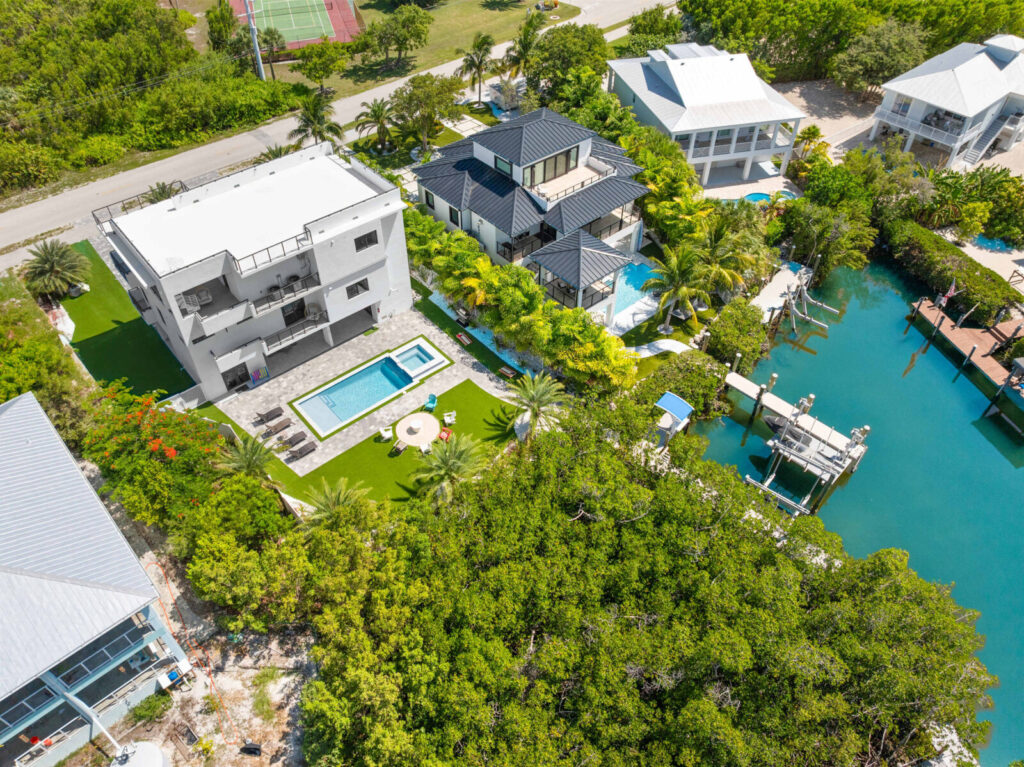
The tenant pool is limited. Marathon is a small community. The number of qualified long-term tenants who can afford $4,000–$6,000 per month for a waterfront home is narrow. Workforce housing demand in the Keys is high, but those renters are typically looking at more modest properties at lower price points. Your luxury canal-front home with a dock and heated pool isn’t workforce housing, it’s a vacation property and it earns more when you use it as one.
Wear and tear compounds differently. A long-term tenant lives in the property 365 days a year. Over a multi-year lease, that continuous occupancy can mean more gradual but significant wear especially in the Keys’ harsh marine environment. Vacation rental properties, by contrast, are professionally cleaned and inspected between every guest stay. Issues get caught and addressed fast, which often means the property stays in better condition over time.
You lose pricing flexibility. A 12-month lease locks you into a fixed rate for the year. In a vacation rental model, you can adjust nightly rates dynamically based on demand, local events, holidays, and seasonal patterns. That flexibility is how professional managers extract maximum revenue from a property.
Florida Keys appreciation favors STR-zoned properties. Properties with active vacation rental permits and proven STR income histories tend to sell at premiums. Buyers know they’re acquiring not just a home but a revenue-generating asset with an established track record. A property that’s been leased long-term doesn’t carry that same value proposition at resale.
Florida Keys Regulations: What Owners Need to Know
Rental regulations in the Keys vary significantly depending on your municipality, and understanding them is a prerequisite for choosing your rental strategy.
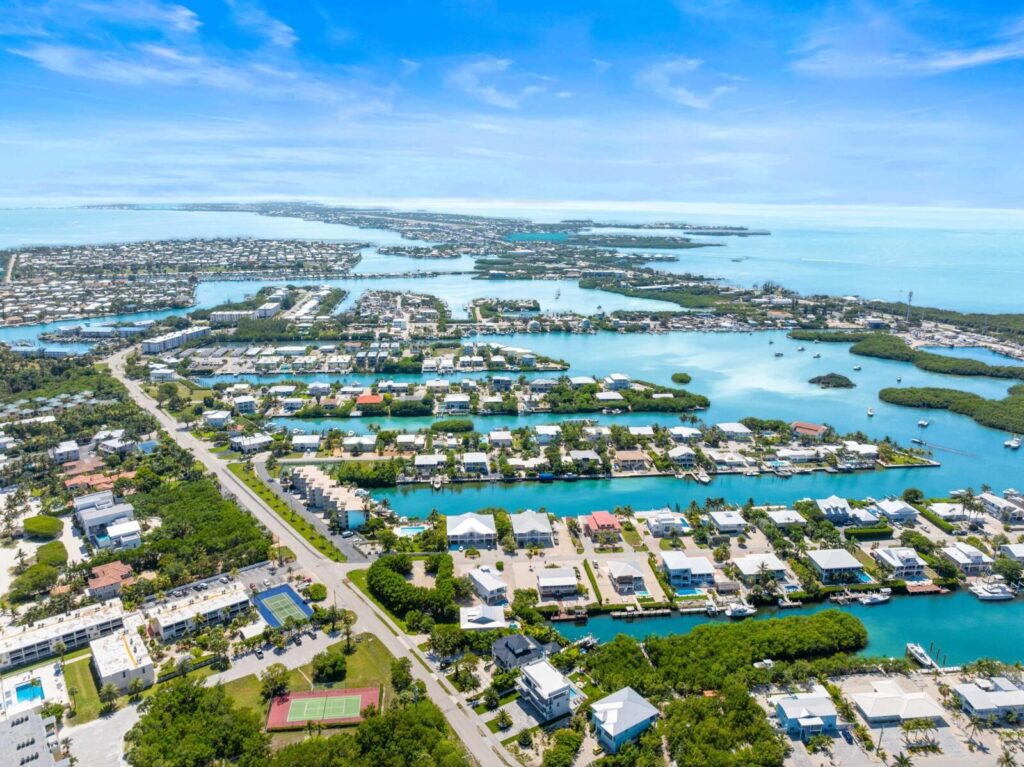
City of Marathon is one of the most STR-friendly jurisdictions in the Keys. Vacation rentals are permitted in virtually all zoning districts, there are no caps on the number of licenses issued, and the city inspects and licenses properties annually. This is one reason Marathon has become a hub for vacation rental investors. The city’s vacation rental ordinance provides a clear framework for legal operation.
Monroe County (unincorporated areas) including Key Largo, Tavernier, and Big Pine Key requires a Special Vacation Rental Permit for rentals under 28 days. Only certain land use districts qualify (SR, MU, UR, IS-V, OS), and properties that don’t qualify are limited to 28-day minimum rental periods. The initial permit application runs $490, and you’ll also need a Special Vacation Rental Manager License ($110), the manager must reside in the same section of the Keys as the property and be available 24/7.
Islamorada has a hard cap of 331 total vacation rental licenses village-wide, a 7-day minimum stay in residential zones, and a property valuation threshold requiring assessed value at 600% of Monroe County median income. This is the most restrictive STR environment in the Keys.
Key Colony Beach licenses all vacation rentals annually with no caps, making it another investor-friendly market alongside Marathon. A 2023 Keys Weekly report on Marathon’s vacation rental landscape detailed how the city actively supports legal STR operations while cracking down on unlicensed properties.
Regardless of where your property sits, all vacation rentals in the Keys must obtain a Florida DBPR license, collect and remit 12.5% in combined sales and bed tax (7.5% state sales tax + 5% Monroe County Tourist Development Tax), pass fire and life safety inspections, and maintain a locally based property manager.
For owners in Marathon and Key Colony Beach, the regulatory path to operating a vacation rental is clear and well-supported. For properties in unincorporated Monroe County, it depends entirely on your zoning classification which is where working with a local management company that knows the permitting landscape saves you time and costly mistakes.
The Management Factor: Why STR Owners Need Professional Support
The revenue upside of short-term rentals comes with a management workload that most owners underestimate, especially out-of-state owners.
A well-run vacation rental requires dynamic pricing optimization across multiple platforms, professional photography and listing copy, coordinated cleaning and turnover operations between guests, 24/7 guest communication, regular property inspections and preventive maintenance in a marine climate, regulatory compliance including annual permits, tax remittance, and fire inspections, and review management to maintain high ratings on Airbnb, VRBO, and direct booking channels.
Miss any of these, and your revenue suffers. A property with outdated photos and flat-rate pricing will underperform one with professional staging, dynamic rates, and active marketing even if the homes are physically identical.
This is where the management decision becomes part of the STR vs. LTR calculation. If you’re going to operate a vacation rental, factor in either the time commitment of self-management or the cost of professional management (typically 15–25% of gross revenue in the Keys).
At Villa Paraiso, we charge 20% which is below the industry average of 25–35% and our Marathon properties average 72% annual occupancy versus the local average of roughly 58%. That performance gap more than offsets the management fee. We also offer a guarantee: if we don’t increase your property’s revenue, your first two months of management are free.
Tax Advantages: STRs Offer More Write-Offs
Short-term rental properties qualify for several tax benefits that long-term rentals don’t, and these can meaningfully improve your net returns.
Bonus depreciation allows STR owners to accelerate deductions on furnishings, appliances, and certain property improvements. Under current tax law, vacation rentals classified as non-passive activities (through material participation) can use these deductions to offset other income — something long-term rental owners generally cannot do as aggressively.
Operating expense deductions are more extensive for STRs. Professional cleaning, linens, consumables, platform fees, photography, marketing, property management, and guest amenities are all deductible business expenses that simply don’t exist in a long-term lease model.
Cost segregation studies can further accelerate depreciation on high-value Keys properties, sometimes generating six-figure tax deductions in the first year of STR operation.
We always recommend working with a CPA who specializes in vacation rental taxation. The strategies are property-specific and depend on your personal tax situation but as a general rule, STR owners in the Keys have more tax levers to pull than their long-term counterparts.
A Side-by-Side Comparison
| Factor | Short-Term Rental | Long-Term Rental |
| Gross Annual Revenue (4BR waterfront, Marathon) | $120,000–$180,000+ | $48,000–$72,000 |
| Annual Occupancy | 60–75% | 94–95% |
| Nightly/Monthly Rate Flexibility | Dynamic, adjusts to demand | Fixed for lease term |
| Operating Costs | Higher (cleaning, amenities, management) | Lower (tenant handles most) |
| Management Intensity | High (professional management recommended) | Low (mostly passive) |
| Wear & Tear | Frequent inspection catches issues early | Continuous occupancy, less oversight |
| Tax Deductions | Extensive (depreciation, expenses, cost seg) | Limited (standard depreciation) |
| Property Value at Resale | Premium for proven STR income | Standard market value |
| Regulatory Requirements | Permits, licenses, inspections, tax remittance | Standard landlord obligations |
| Personal Use | Block dates for your own vacations | Not available during lease |
The Bottom Line for Florida Keys Property Owners
If your property is in a STR-friendly zone particularly Marathon or Key Colony Beach, the financial case for short-term rental is strong. Even after accounting for higher operating costs and professional management fees, net income from a well-managed vacation rental typically exceeds long-term lease income by 40–80% on comparable properties.
The caveat is that “well-managed” is doing a lot of work in that sentence. An underperforming STR with poor pricing, dated decor, and inconsistent guest experiences can easily earn less than a straightforward 12-month lease. The strategy only works when the execution matches the opportunity.
That’s the role we fill at Villa Paraiso. We handle every aspect of vacation rental management from permitting and onboarding through pricing, marketing, cleaning, and guest services, so our owners capture the full revenue potential of their Keys properties without the operational burden.
If you’re weighing your options or want to see what your property could earn as a vacation rental, we offer complimentary property evaluations with projected revenue breakdowns specific to your home.
Schedule your free property evaluation → paraisovacationrentals.com/list-your-home/
Frequently Asked Questions
How much more does a short-term rental earn than a long-term lease in the Florida Keys?
On average, a professionally managed short-term vacation rental in Marathon earns two to three times the gross annual income of a comparable long-term lease. A 4-bedroom waterfront home that might lease for $5,000 per month ($60,000/year) can generate $120,000–$180,000+ annually as a vacation rental at 65–75% occupancy.
Can I switch my Florida Keys property from long-term to short-term rental?
Yes, but the process depends on your location. In Marathon and Key Colony Beach, vacation rentals are broadly permitted and licensing is straightforward. In unincorporated Monroe County, you’ll need to verify your property’s land use district qualifies for a Special Vacation Rental Permit. Properties in Islamorada face a license cap and valuation requirements. A local property management company can help you navigate the permitting process.
What does it cost to manage a short-term rental in the Florida Keys?
Professional property management in the Keys typically runs 15–25% of gross revenue. Villa Paraiso charges 20%, which is below the industry average. This covers pricing optimization, guest communication, cleaning coordination, maintenance, listing management, and regulatory compliance.
Is a short-term rental more work than a long-term lease?
Significantly more, which is why most successful STR owners in the Keys use professional management. A vacation rental requires dynamic pricing, coordinated cleanings between guests, 24/7 guest support, multi-platform marketing, and ongoing compliance with local permits and tax remittance. With professional management, owners experience the revenue benefits without the operational workload.
What taxes do short-term rental owners pay in the Florida Keys?
All vacation rentals in Monroe County must collect and remit 12.5% in combined taxes: 7.5% Florida state sales tax plus 5% Monroe County Tourist Development Tax. These apply to all rentals of six months or less. Owners must register with the Florida Department of Revenue and the Monroe County Tax Collector.