Vacation Rental Pricing Strategy: The Set-and-Forget Myth
Share:
Set your rates once per season and leave them? Why that vacation rental pricing strategy quietly costs you money
Setting one rate per season is the most expensive shortcut in vacation rental pricing. A fixed seasonal rate ignores weekday-to-weekend swings, local events, and last-minute demand, so it overprices your slow nights and underprices your busiest ones. Properties left on static rates tend to earn roughly 15% to 40% less than comparable homes that adjust to real demand. In the Florida Keys, a single lobster-season weekend can out-earn an entire quiet week, which is exactly what a set-and-forget number cannot see.
Quick answer: “One rate per season” feels tidy, but demand does not move in neat seasonal blocks, so a static rate leaves money on the table on your best dates and empty nights on your worst.
What does “set your rates once per season” actually mean?
The set-and-forget approach usually looks like this: high season gets one nightly rate, shoulder season gets a slightly lower one, and off season gets the floor. You pick the numbers in January, plug them into your calendar, and move on. It feels responsible because it acknowledges seasons exist.
The problem is the size of the buckets. A “season” is three or four months. Inside those months, demand for your specific home changes by the day. Beyond Pricing, one of the longest-running rate tools in short-term rentals, describes the same reality plainly: demand for a listing varies daily, so pricing has to move with it or you lose money you never see leave your account.
Some operators now break the year into 75 or more micro-seasons rather than three or four. A working vacation rental pricing strategy does not need that level of detail to beat a single seasonal rate. You just need to stop pretending a Tuesday in early June and the Saturday of the Original Marathon Seafood Festival belong at the same price.
Is seasonal pricing really costing owners money?
Yes, and the gap is measurable. A 2025 study by Your.Rentals with PriceLabs tracked 541 short-term rental listings and found that properties using demand-based pricing earned about 36% more revenue than those on static rates, along with a 46% jump in total bookings per listing. Industry benchmarks put the typical lift in a wider 15% to 40% band depending on the market and how carefully the pricing is set up.
The clearest picture comes from a market-level analysis Beyond Pricing ran on a cluster of vacation homes. Over one Thanksgiving weekend, the group earned about 33% more year over year, roughly $104,000 in additional revenue, mostly by raising rates into a holiday when guests were going to book anyway. None of that required a nicer house or a bigger ad budget. It required not leaving the holiday priced like a normal weekend.
Here is how the two approaches compare on the things that actually move revenue.
| Factor | Fixed seasonal rate | Demand-based pricing |
| Weekend vs weekday | Same price all seven nights | Weekends and holidays priced higher |
| Local events | Ignored | Festival and tournament dates captured |
| Last-minute demand | Missed or discounted blindly | Adjusted as arrival date nears |
| Slow nights | Overpriced, sit empty | Dropped to fill the calendar |
| Typical revenue result | Baseline | Roughly 15% to 40% higher |
Occupancy tells the same story. Rentals United‘s 2026 market data found that properties using higher-frequency demand pricing ran up to 30% higher occupancy than static-rate homes, and that dynamic-rate properties in the mature US market outperformed static ones by 13 percentage points.
Why does a fixed seasonal rate fail in the Florida Keys specifically?
Because the Keys calendar is built around events, and events do not care what “season” you assigned. Marathon and Key Colony Beach see sharp, datable demand spikes that a quarterly rate cannot follow. A few that reliably break the seasonal buckets:
- Lobster mini-season. The two-day sport season falls on July 29 and 30 in 2026, always the last Wednesday and Thursday of July (Visit Florida Keys). Divers book it 6 to 8 months out, and it fills faster than any other week of the year. On a static “summer” rate, those two nights are priced like an ordinary slow midweek in July. That is the single most common mistake we see on self-managed Keys calendars.
- The Original Marathon Seafood Festival. March 14 and 15, 2026 marks its 50th year, drawing more than 15,000 people to Marathon Community Park. It lands squarely in peak season, when Keys rooms already command their highest rates of the year, and it pushes them higher still.
- Fishing tournaments. From spring tarpon events to the summer offshore dolphin tournaments run out of Marathon, tournament weekends spike demand on very specific dates that no seasonal rate anticipates.
- Holiday and long weekends. Thanksgiving, the winter holidays, and spring break weeks behave nothing like the ordinary weeks around them, even though they sit inside the same “season.”
The regular spiny lobster season and its rules are set by Florida Fish and Wildlife, and the mini-season date shifts by a few days each year. If your rates are frozen in January, your calendar never moves with it.

How much can pricing swing across a single Keys “season”?
Enough that a single rate is guaranteed to be wrong most nights. Consider a mid-tier Marathon canal home across one stretch of summer. The numbers below are illustrative of the pattern we see, not a quote for a specific property, but the shape is real.
| Same “summer season” night | What a static rate charges | What demand supports |
| Tuesday, mid-August, no events | $525 | $340 (drop to fill) |
| Saturday, ordinary June weekend | $525 | $610 |
| Lobster mini-season, July 29 to 30 | $525 | $850+ |
| Last-minute Friday, booked 3 days out | $525 | $450 (adjusted to sell) |
One number cannot be right on all four of those nights. It overcharges the dead Tuesday until it sits empty, and it undercharges the mini-season Saturday by hundreds of dollars. Demand-based pricing moves each night toward what the market will actually pay. That is the whole game.
This is also why the timing matters more in a flat market. AirDNA‘s 2026 outlook projects only about half a percent of RevPAR growth nationally for the year, with supply still rising. When the rising tide slows, the properties that win are the ones pricing each night sharply, not the ones coasting on a number they set in winter.
Doesn’t lowering prices sometimes matter more than raising them?
Often, yes, and this is the part the “just raise rates for peak” crowd misses. In the same Beyond Pricing analysis, a two-week fall break period produced an 18% revenue gain, about $90,000, but the driver was different. Average rates barely moved. The extra money came from filling nights that would otherwise have gone empty, by dropping prices on soft dates to win bookings.
A fixed seasonal rate is blind in both directions. It cannot climb for a sold-out holiday, and it will not bend for a quiet Wednesday three weeks out. Filling a slow night at $340 beats holding firm at $525 and earning nothing. Over a year, those recovered nights add up to more than the occasional peak-rate win.
There is a stability benefit too. Field data compiled across the industry shows cancellation rates dropping by roughly 18% after operators moved to demand pricing and smarter stay rules (StayFi VRM Insider). Guests who book a rate that matches real demand tend to follow through, so you are not just earning more, you are holding the bookings you win.
Is dynamic pricing worth it if you self-manage?
For most owners, yes, though the honest answer has a catch. The tools are cheap relative to what they recover. PriceLabs runs a flat monthly fee per listing, Beyond charges a small percentage of revenue, and Wheelhouse offers a free tier, so the software cost is rarely the obstacle. The obstacle is setup and attention.
A pricing tool is not a slow cooker. Out of the box it uses generic market assumptions that will not know your dock is deeper than the comp down the street, or that your home sleeps two more than the listing beside it. The owners who get the 30%-plus results are the ones who spend an hour configuring base rates, minimum stays, and event overrides, then check in periodically. The ones who install it and walk away often do worse than a thoughtful manual calendar.
So the real question is not “static or dynamic.” It is “who is going to run the dynamic pricing.” If you enjoy watching your comp set and adjusting rules around the local calendar, a tool plus your attention will beat a seasonal rate every time. If pricing is the chore you keep meaning to get to, the software alone will not save you, and that gap is usually where a manager earns their keep. We break down that tradeoff in more detail in our guide to self-managing versus hiring a property manager.
Pro tips from running Keys rate calendars
A few things we have learned setting prices on Marathon and Key Colony Beach properties that no default setting will hand you:
- Build the local calendar first. Before any tool touches your rates, mark mini-season, the seafood festival, major tournaments, and holiday weeks. Those dates carry a premium the software may under-weight until it has your booking history.
- Price the shoulders, not just the peaks. The money hiding in plain sight is usually the soft midweek nights in August and September, where a modest drop turns an empty calendar into a booked one.
- Respect the booking window. Keys guests often book within a few weeks of arrival, so leaving your last 30 days on a frozen rate is where fixed pricing bleeds the most. Adjust as the date approaches.
- Watch waterfront features closely. A deep dock, ocean access, or a heated pool commands more than the market average, so your base rate should sit above the generic comp, not match it.
For a wider view of what moves Keys rental income, our breakdown of upgrades that increase vacation rental revenue pairs well with sharper pricing, and the dynamic pricing guide for Florida Keys rentals goes deeper on the mechanics.
Where does this leave your vacation rental pricing strategy?
With a clear choice. You can keep one rate per season and accept the 15% to 40% you are likely leaving behind, or you can price to demand, either by running the tools yourself or by handing the calendar to someone who does it daily.
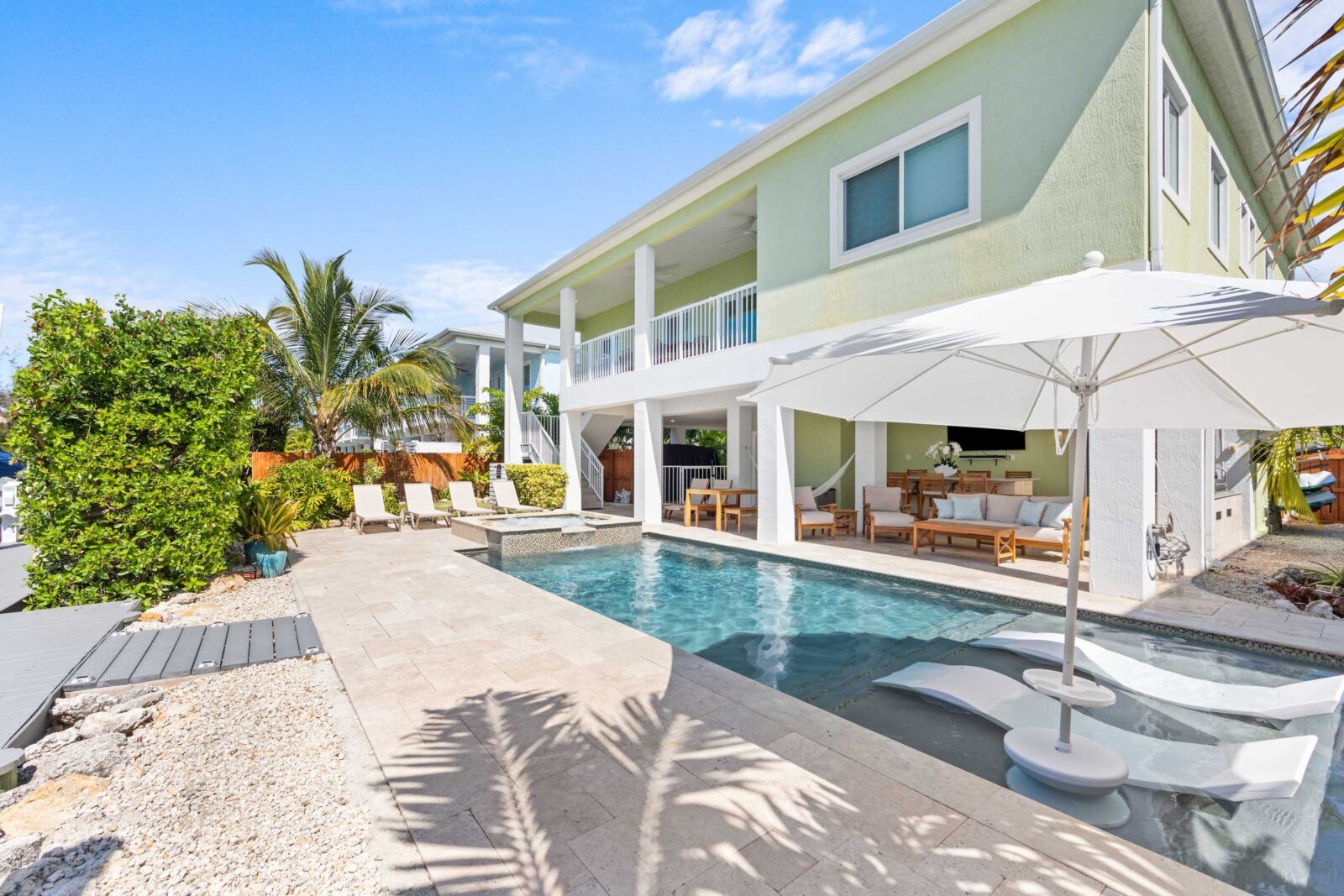
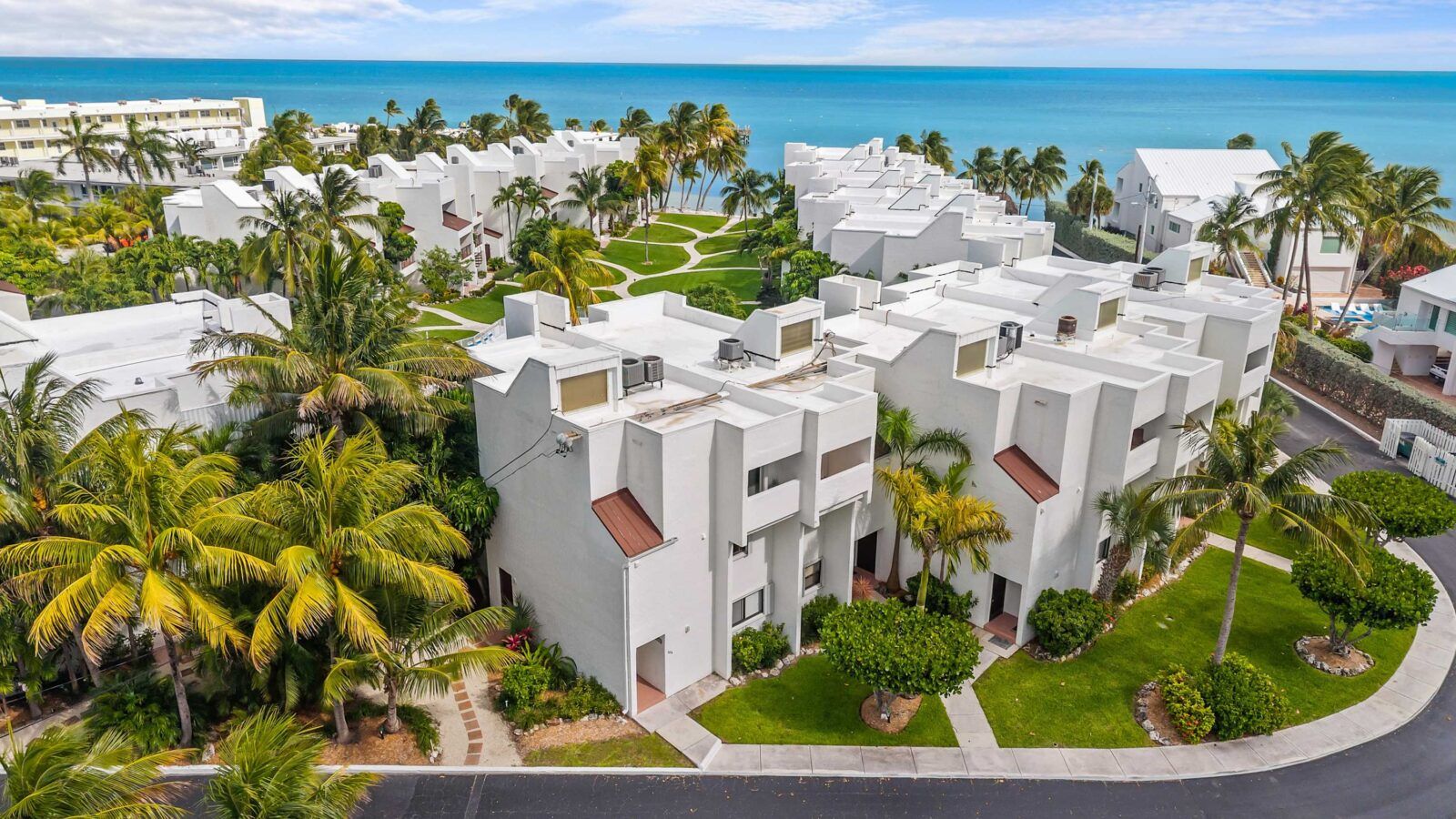
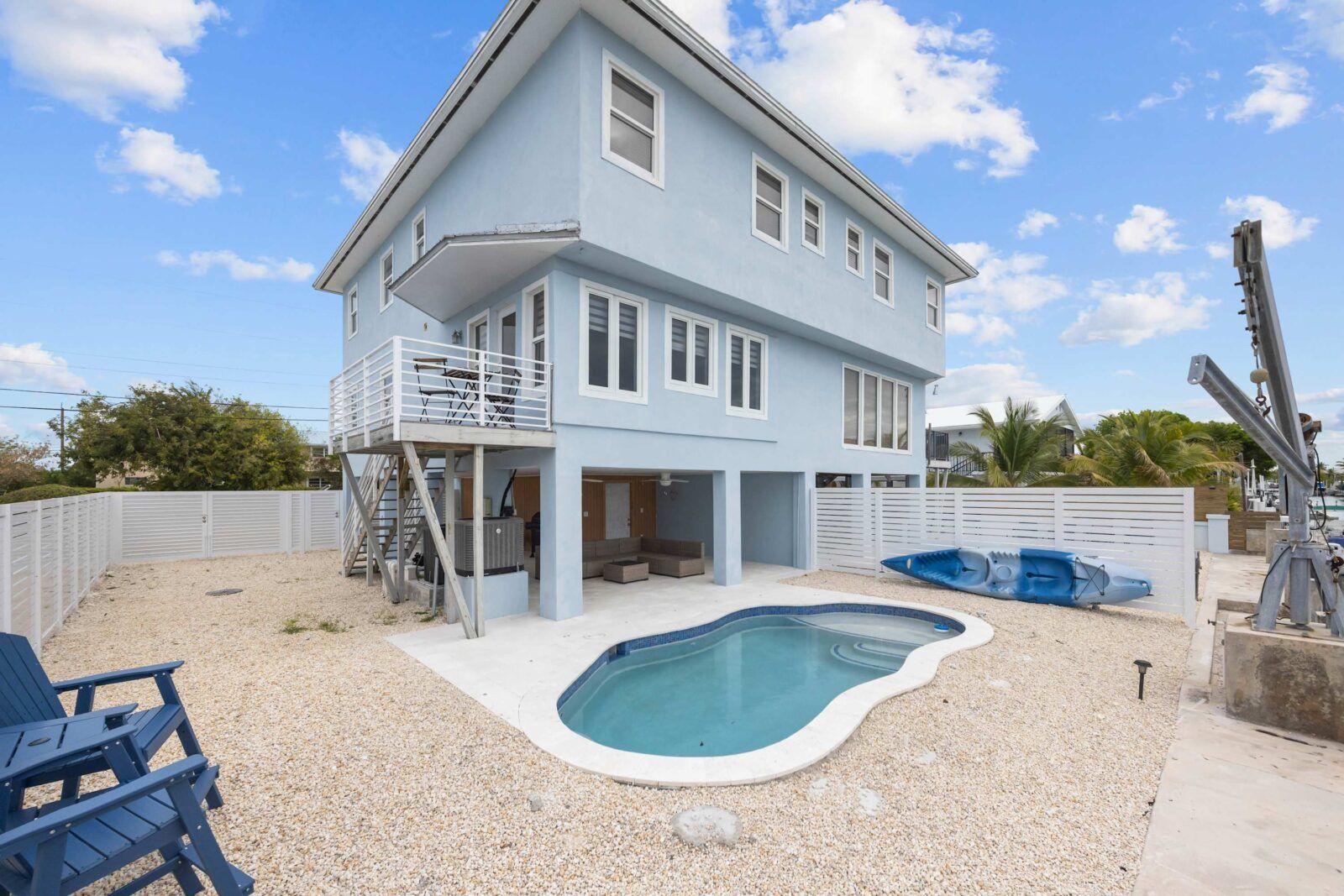
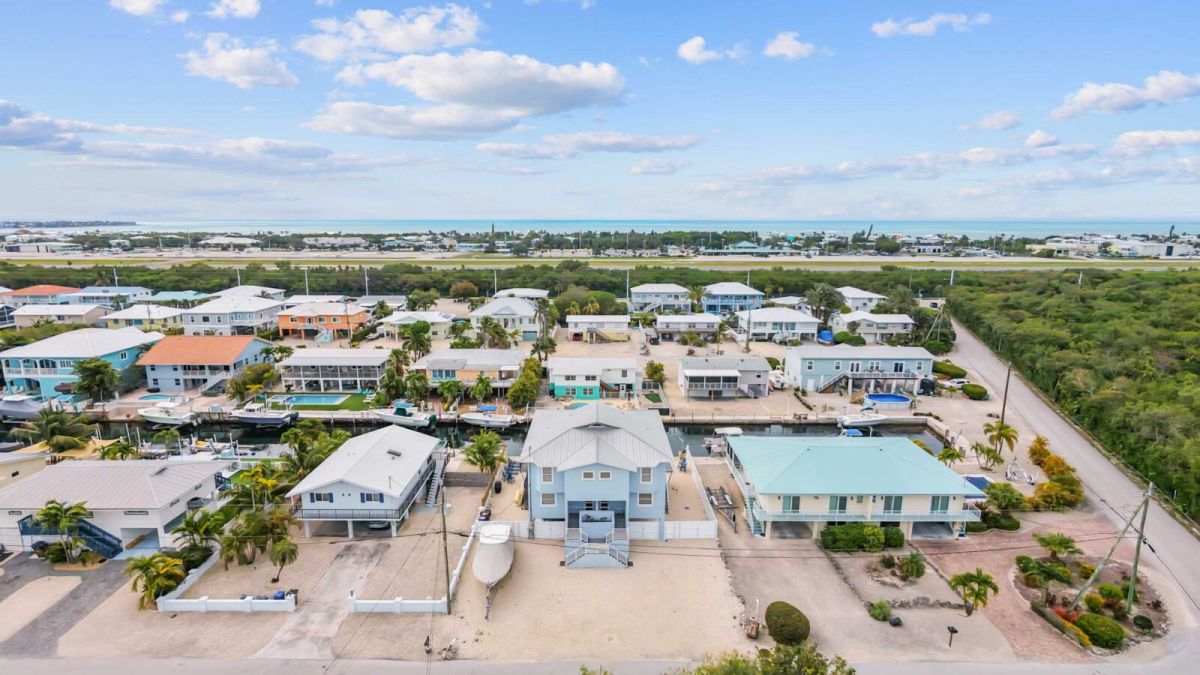
At Villa Paraiso we manage waterfront homes across Marathon and Key Colony Beach, and active pricing is a core part of why they perform. Properties like Deep Blue, Vista Del Mar, and Seabreeze Cove do not sit on a frozen number through the summer. Their rates move with the local calendar, up for mini-season and festival weekends, down to fill soft midweek nights. You can see the full lineup on our Florida Keys properties page, including canal-front homes with Gulf access like Emerald Palms.
If your home is currently on a set-and-forget rate, the fastest way to find out what it is costing you is to look at the last twelve months against the local demand calendar. That comparison is also worth reading next to the direct-booking case, since direct bookings beat the OTAs on both margin and control, and the numbers behind buying in the market at all are in our Florida Keys investment outlook.
Pricing is the part most owners least enjoy and most often get wrong. If you would rather hand it off, that is exactly what we do. Reach out at (786) 348-1396 or [email protected] for a straight assessment of what your property could earn with a rate calendar that actually moves.
FAQ’s
Should I change my vacation rental prices more than once a season?
Yes. Demand for a specific rental changes daily, not seasonally. A single seasonal rate overprices slow midweek nights and underprices weekends, holidays, and local events. Owners who adjust to real demand typically earn 15% to 40% more than those on a fixed rate.
How often should vacation rental rates change?
Prices should update as demand signals change, which in practice means most nights carry a slightly different rate. You do not need to touch it manually every day. A pricing tool or manager adjusts continuously based on weekends, events, competitor availability, and how close the arrival date is.
Does dynamic pricing hurt occupancy in the Florida Keys?
No, it usually raises it. Rentals United’s 2026 data found demand-based pricing delivered up to 30% higher occupancy than static rates. Dynamic pricing fills soft nights by lowering rates when needed, so occupancy tends to rise rather than fall.
What is the best dynamic pricing tool for a Florida Keys rental?
PriceLabs, Beyond Pricing, and Wheelhouse are the most widely used. PriceLabs charges a flat monthly fee per listing, Beyond takes a small percentage of revenue, and Wheelhouse offers a free tier. The right pick depends on portfolio size and how much manual control you want.
When is peak season for vacation rentals in Marathon, FL?
Winter through spring, roughly December to April, is the strongest stretch as snowbirds and spring-break travelers arrive. But single-date spikes like lobster mini-season in late July and the March seafood festival can out-earn ordinary peak-season nights, which is why one seasonal rate falls short.
Will guests get upset if my nightly prices change?
No. Travelers already expect hotel and rental prices to move with demand, the same way flights do. What guests dislike is a rate that feels arbitrary. Demand-based pricing is more consistent with the market, not less, so it rarely draws complaints.
Can changing prices actually reduce cancellations?
Yes. Industry field data shows cancellation rates dropping about 18% after operators adopted demand pricing and clearer stay rules. Guests who book a rate that matches real market demand are more likely to follow through, which improves booking stability.
How much more can I earn with dynamic pricing in the Keys?
A 2025 study of 541 listings found an average 36% revenue increase over static pricing, with the broader industry range at 15% to 40%. In the Keys, capturing event weekends like mini-season and filling soft midweek nights is where most of that gain comes from.