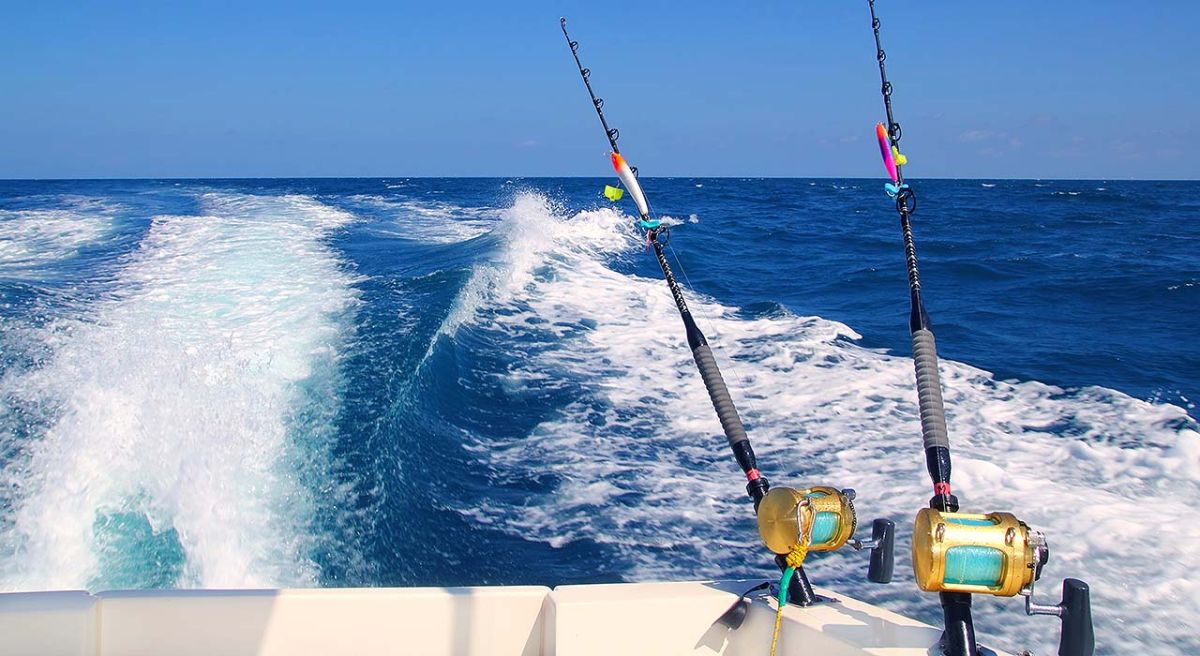
Deep Sea vs Flats Fishing in Florida Keys: Which Type Should You Choose?
Share:
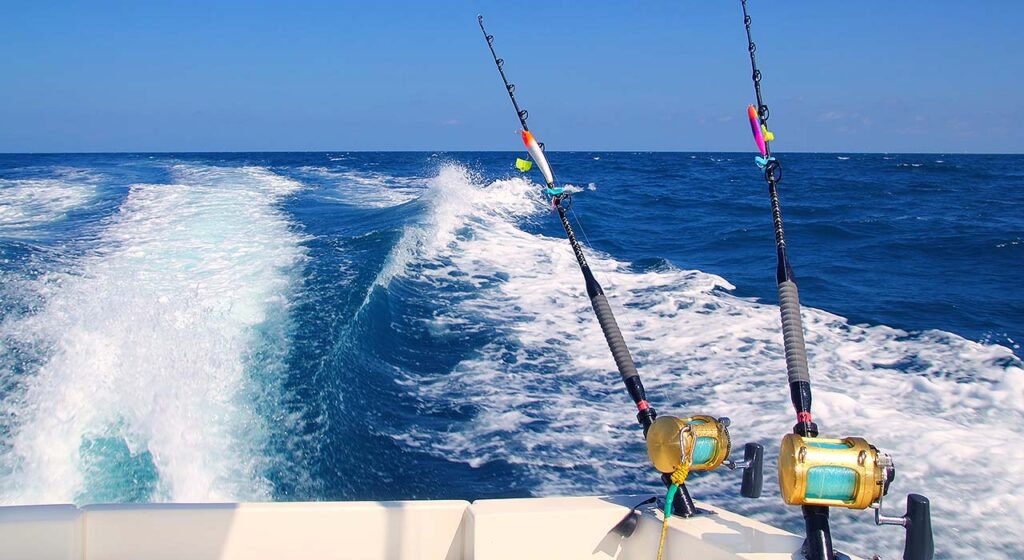
The Florida Keys offers two completely different fishing experiences: deep sea fishing in the Atlantic’s blue water and flats fishing in the shallow backcountry. Deep sea fishing targets big game species like mahi-mahi and tuna in 100-2,000 feet of water, while flats fishing stalks bonefish, permit, and tarpon in water barely deep enough to cover your ankles.
Quick Answer: Choose deep sea fishing if you want trophy catches, air-conditioned boats, and don’t get seasick easily. Pick flats fishing if you prefer stalking visible fish, quieter experiences, and the challenge of sight-casting in skinny water.
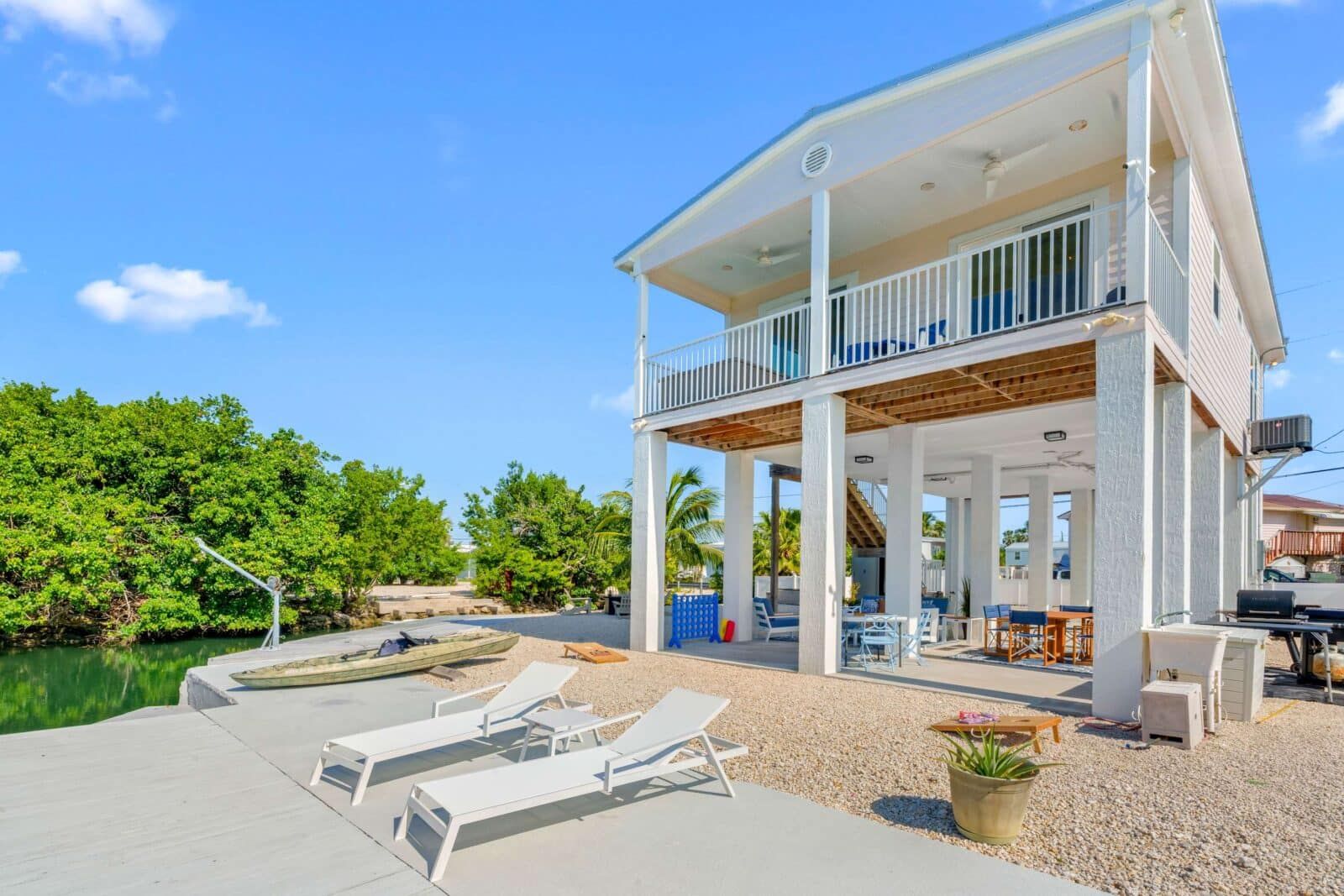
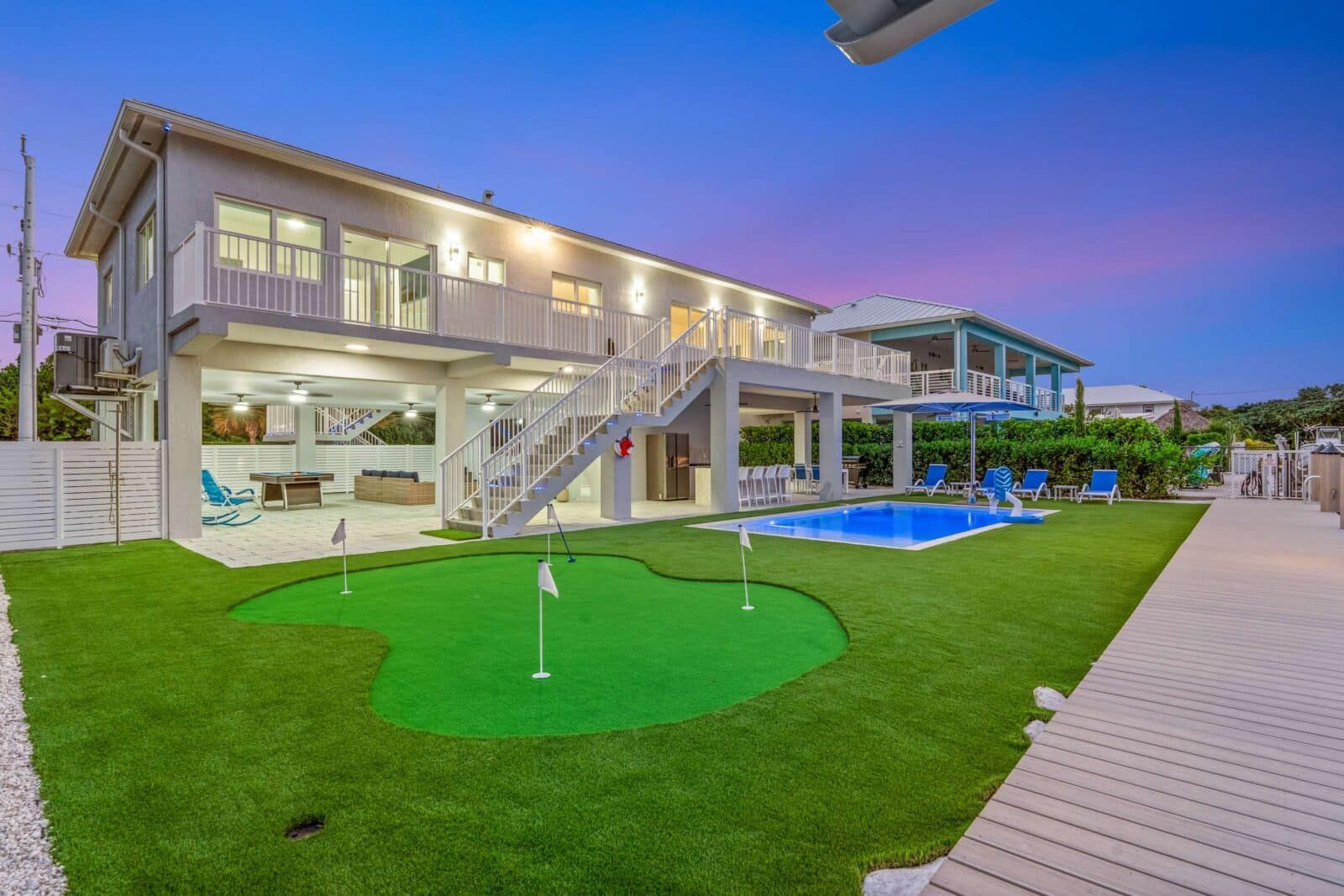
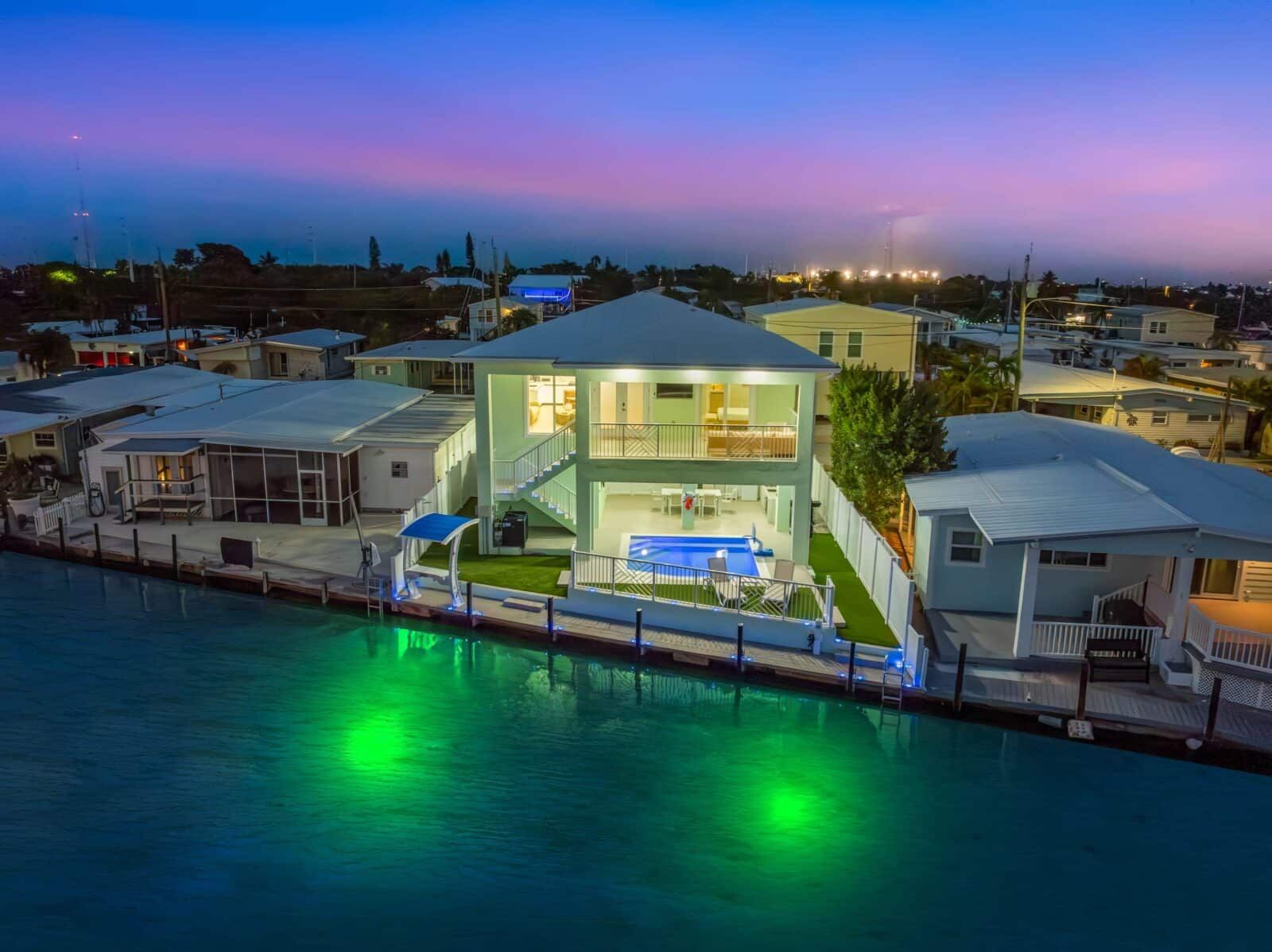
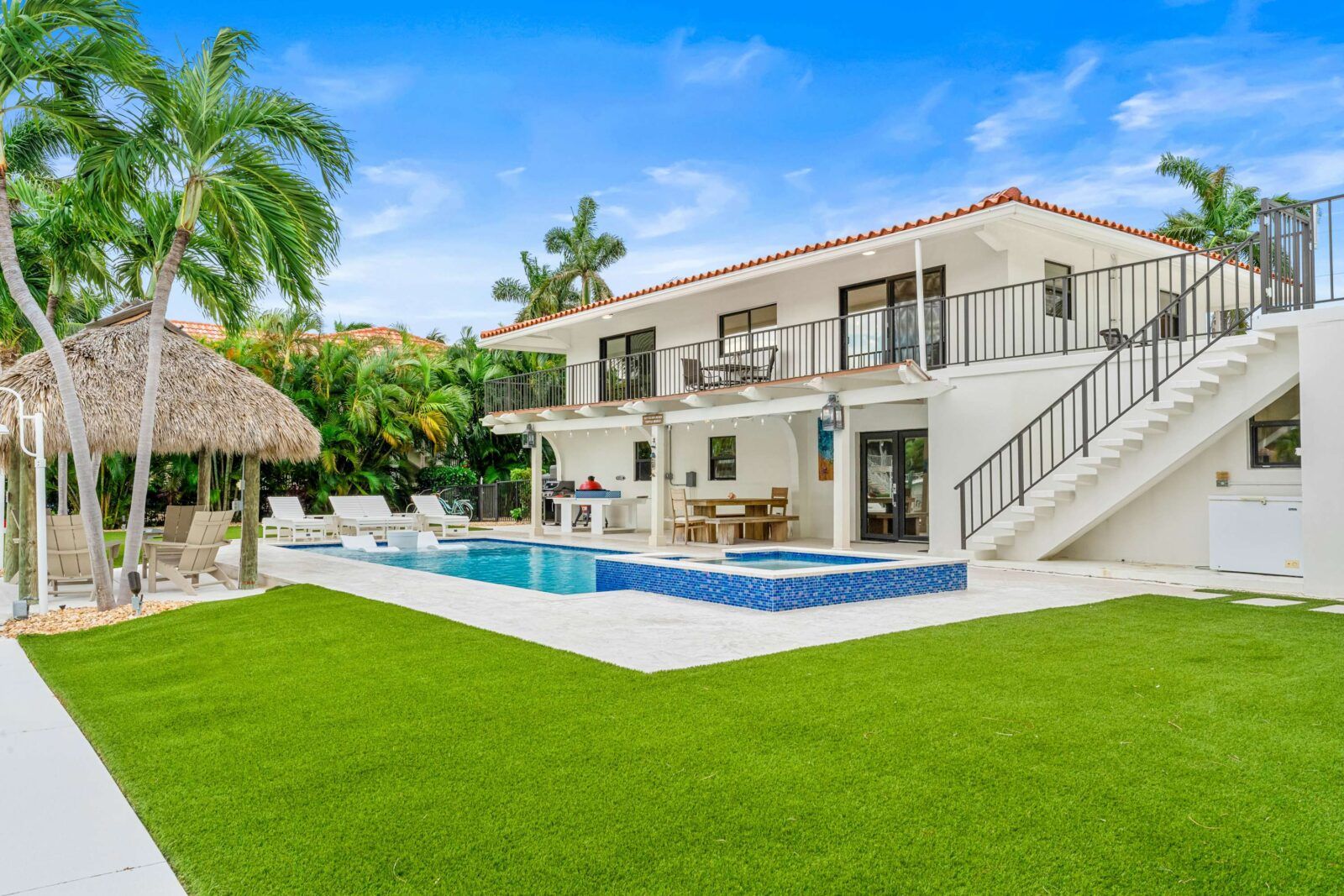
For first-time Keys anglers planning a Marathon vacation, understanding these differences helps you book the right charter and choose accommodations with the proper setup such as our waterfront properties with private docks for those wanting DIY flats access.
What’s the Main Difference Between Deep Sea and Flats Fishing?
Deep sea fishing happens in the Atlantic Ocean or Gulf of Mexico where depths range from 100 feet to over 2,000 feet. You’ll travel 5-30 miles offshore in larger boats (30-50 feet), trolling or bottom fishing for species that live in deep water or migrate through the area.
Flats fishing takes place in shallow water, typically 6 inches to 6 feet deep, over sand, grass, and coral bottoms in Florida Bay, the Gulf side, or backcountry channels around Marathon. You’re hunting for fish you can actually see, using lighter tackle and stealthier approaches.
The experience couldn’t be more different. Deep sea fishing means ocean swells, bigger boats with bathrooms and shade, and the possibility of landing 40-pound mahi or 100-pound sailfish. Flats fishing involves poling silently through gin-clear water, spotting fish before they spot you, and presenting your bait or fly with precision. This is often fishing from boats under 20 feet with minimal amenities.
Location and Depth Comparison
| Aspect | Deep Sea Fishing | Flats Fishing |
| Water Depth | 100-2,000+ feet | 6 inches – 6 feet |
| Location | Atlantic Ocean / Gulf of Mexico | Florida Bay / Backcountry channels |
| Distance from Shore | 5-30+ miles | 0-5 miles |
| Boat Size | 30-50 feet | 16-22 feet |
| Water Clarity | Deep blue / dark | Crystal clear / sight fishing |
Which Fish Species Can You Catch in Each Style?
Deep Sea Fishing Species
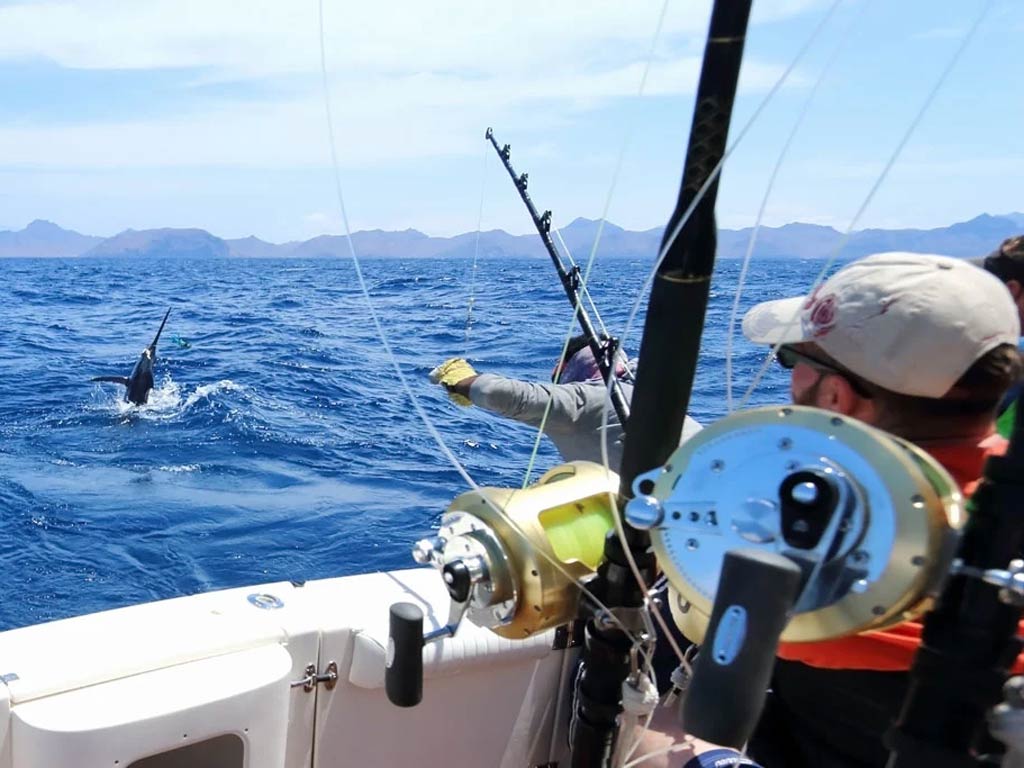
When you head offshore from Marathon, you’re targeting pelagics (open-ocean fish) and bottom dwellers. The Marathon Hump, located about 20 miles offshore, is famous for blackfin tuna and mahi-mahi. Deeper wrecks and reefs hold grouper, snapper, and amberjack.
Common deep sea catches include:
- Mahi-mahi (Dolphinfish): 10-40 pounds, acrobatic fighters, excellent eating
- Blackfin Tuna: 10-30 pounds, strong runners, sashimi-grade meat
- Wahoo: 20-80 pounds, blazing speed, toothy predators
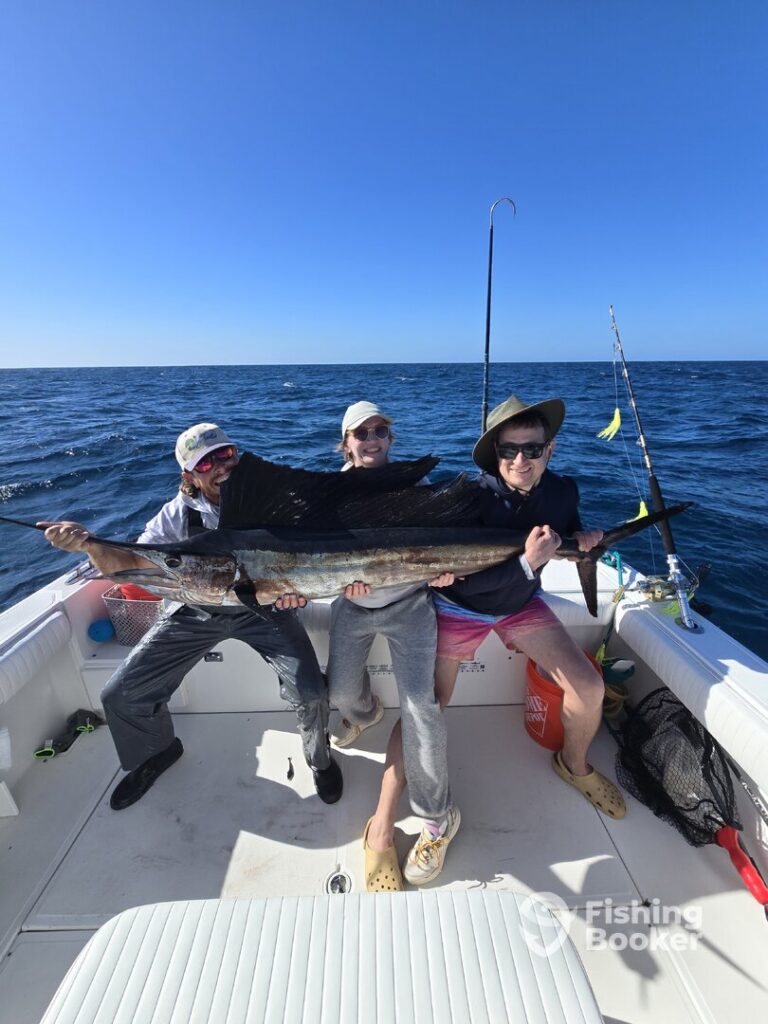
- Sailfish: 40-100 pounds, catch-and-release billfish
- King Mackerel: 10-40 pounds, great for the grill
- Grouper (Black, Red, Gag): 5-50 pounds, bottom dwellers, delicious
- Snapper (Yellowtail, Mutton, Mangrove): 1-15 pounds, reef fish
Deep sea fishing in Marathon runs strong year-round, but peak seasons vary by species. Mahi-mahi run best April through September, while sailfish show up November through April.
Flats Fishing Species
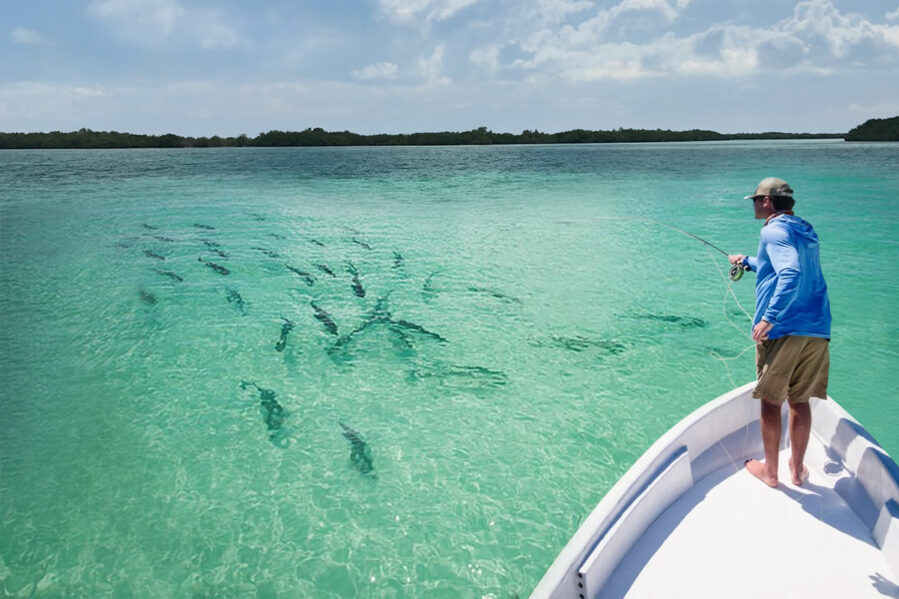
Flats fishing targets what locals call the “Grand Slam” that includes bonefish, permit, and tarpon all in the same day. These fish feed in shallow water on crabs, shrimp, and small baitfish, making them visible targets for skilled anglers.
Primary flats species:
- Bonefish: 4-12 pounds, called “grey ghosts,” famous for blistering runs
- Permit: 10-40 pounds, extremely selective eaters, prized catch
- Tarpon: 40-150 pounds, the “Silver King,” incredible jumpers
- Redfish (Red Drum): 5-30 pounds, copper-colored, tail in shallow water
- Snook: 5-20 pounds, line-siders, hang around mangroves
- Barracuda: 5-30 pounds, aggressive, great for kids
- Sharks (Bonnethead, Nurse, Lemon): 2-50 pounds, fun fighters
Tarpon season peaks May through July when 100+ pound fish migrate through the Keys. Bonefish and permit fishing stays consistent year-round, though winter cold fronts can push them into deeper water temporarily.
How Much Does Each Fishing Style Cost?
Deep Sea Fishing Charter Costs
Deep sea charters from Marathon typically run $800-$2,000 for a full day (8 hours) or $500-$1,200 for a half day (4 hours). Prices vary based on boat size, captain experience, and how far offshore you’re traveling.
Expect to pay:
- Half day (4 hours): $500-$800 for up to 6 anglers
- Full day (8 hours): $1,200-$2,000 for up to 6 anglers
- Fuel surcharge: Sometimes added separately, $100-$300
- Gratuity: 15-20% of charter cost (industry standard)
- Fish cleaning: Usually included, sometimes $50-$100 extra
These prices typically include all rods, reels, tackle, bait, fishing licenses, and fish cleaning. Most Marathon charters like Sea Dog Fishing Charters or Big Game Sportfishing provide a full-service experience where you just show up ready to fish.
Flats Fishing Charter Costs
Flats fishing charters cost $500-$900 for a full day or $350-$600 for a half day. The boats are smaller and burn less fuel, but you’re paying for a specialized skill that is spotting and stalking fish in shallow water that requires years of experience.
Typical flats pricing:
- Half day (4 hours): $350-$600 for 1-2 anglers
- Full day (8 hours): $500-$900 for 1-2 anglers
- Gratuity: 15-20% of charter cost
- Fly fishing: Often costs $50-$100 more per trip
Flats boats accommodate fewer people (usually 1-2 anglers maximum) because the boat needs to stay light and quiet. This makes the per-person cost higher than deep sea fishing if you’re splitting among friends.
DIY Fishing from Your Rental
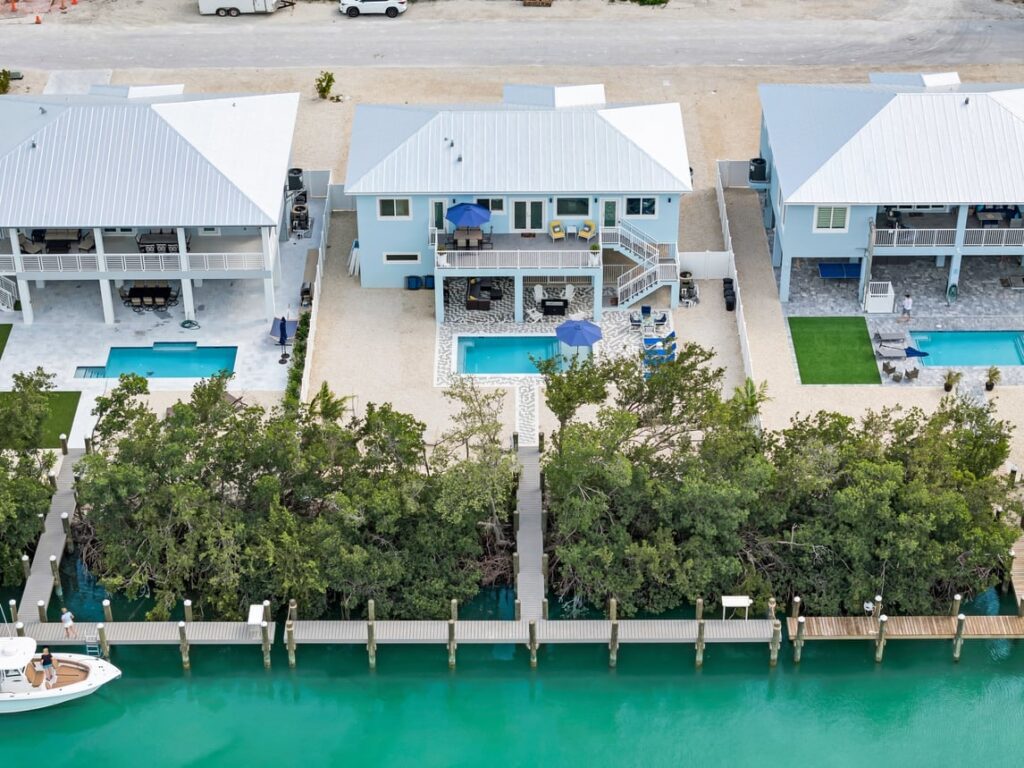
If you’re staying at one of our dock-equipped Marathon properties like Blue Pearl (70-foot dock) or Ocean Muse (40-foot dock), you can fish right from the property or launch your own boat.
DIY costs:
- Fishing license: $17/day or $47/year for non-residents
- Tackle and bait: $50-$150 at Marathon Bait & Tackle or Keys Maritime Specialty Bait
- Boat rental: $200-$500/day (if needed)
- Fuel: $50-$200 depending on distance
Many guests bring their own boats and tie up at our properties’ private docks, then head out each morning for flats fishing or run offshore for deep sea action. Our dock-equipped properties save you $150-$300 per day compared to paying for marina dockage.
What Equipment and Techniques Do You Need for Each?
Deep Sea Fishing Gear and Methods
Deep sea fishing uses heavier tackle because you’re fighting bigger fish in stronger currents. Most charters provide everything, but if you’re gearing up yourself, expect medium-heavy to heavy rods with 20-50 pound test lines.
Common deep sea techniques:
- Trolling: Dragging lures or rigged baits behind a moving boat to cover water and locate active fish.
- Bottom fishing: Dropping cut bait or live bait to the ocean floor for grouper and snapper.
- Kite fishing: Flying baits on the surface using kites (advanced technique for sailfish).
- Chunking: Creating a chum slick and drifting chunks of bait for tuna and sharks.
- Jigging: Vertical jigging with metal lures for amberjack and other structure fish.
The charter captain handles navigation, finding fish, and setting up the techniques. Your job is reeling in the catch. Most Marathon charters like Superfish Charters or Two Conchs run trips that combine multiple techniques such as trolling on the way out, bottom fishing on wrecks, then trolling back.
Flats Fishing Gear and Tactics
Flats fishing demands lighter tackle and stealth. You’re typically using a 6-12 pound test line, lighter rods, and either live bait (shrimp, crabs, pinfish) or artificial lures and flies.
Essential flats techniques:
- Sight casting: Spotting fish visually before casting, requiring polarized sunglasses.
- Poling: Guide stands on platform, pushes boat silently with fiberglass pole.
- Fly fishing: Using fly rod to present flies that mimic shrimp and crabs.
- Live baiting: Presenting live shrimp or crabs on light spinning tackle.
- Stalking: Approaching fish quietly, sometimes wading.
The guide does most of the work on a flats charter like poling the boat, spotting fish, coaching your presentation. Your job is making accurate casts and fighting fish on light tackle. This style requires more skill from the angler but offers incredible satisfaction when you hook a permit or bonefish you spotted yourself.
If you’re trying DIY flats fishing from a property like Mermaid Manor or Saltwater Social, you’ll need your own spinning rods, polarized glasses, and a shallow-running boat or kayak. Stop by The Tackle Box in Marathon for local advice on what’s working.
Which Fishing Style Should a Beginner Choose in the Florida Keys?
For absolute beginners, deep sea fishing offers an easier entry point. The boat ride might be rough, but once you’re fishing, the techniques are simpler. Just drop your line, wait for a bite, and reel in the fish. Most deep sea species aren’t as picky about presentation, and you’ll likely catch multiple fish on a half-day trip.
Reasons Beginners Should Try Deep Sea Fishing First
- Higher catch rates: You’ll almost certainly catch fish, even on your first trip.
- Less skill required: The captain and mate do most of the technical work.
- Comfortable boats: Larger vessels with shade, bathrooms, and seating.
- Exciting for kids: Fast action keeps young anglers engaged.
- Great table fare: Most species are excellent at eating.
Marathon charters like Fun In The Sun Charters and Ana Banana Fishing Company specialize in family-friendly trips that accommodate first-timers.
When Beginners Should Consider Flats Fishing
Choose flats fishing as a beginner if you:
- Get seasick easily (flats water is calmer).
- Want a quieter, more peaceful experience.
- Enjoy the challenge of spotting and stalking visible fish.
- Prefer catch-and-release fishing over keeping your catch.
- Like fly fishing or want to learn.
- Don’t mind if you catch fewer (but more memorable) fish.
Flats fishing has a steeper learning curve. Your first trip might result in zero fish if the weather, tides, or your casting isn’t right. But when you hook your first bonefish that you spotted tailing in 8 inches of water, you’ll understand why people call it addictive.
How Do Weather and Seasons Affect Your Choice?
Deep Sea Fishing Weather Considerations
Deep sea fishing depends heavily on wind and wave conditions. Calm seas (under 2 feet) make for comfortable trips, while 4-6 foot seas can get rough, especially for people prone to seasickness.
Best conditions for deep sea fishing:
- Wind: Under 15 mph from east or southeast
- Seas: 1-3 feet
- Weather: Sunny or partly cloudy
- Season: April-October for mahi and tuna, November-March for sailfish
Winter cold fronts bring north winds that create rough Atlantic conditions but calm Gulf waters. Summer’s southeast trade winds usually provide ideal offshore conditions in the Atlantic. If you book a deep sea charter and conditions look rough, captains can often switch to Gulf side fishing or target reef fish in protected areas.
Flats Fishing Weather Factors
Flats fishing actually improves in weather that would shut down deep sea trips. Light wind, overcast skies, and rising tides bring the best flats fishing.
Ideal flats conditions:
- Wind: Under 10 mph, light ripple preferred
- Tide: Rising tide (incoming) pushes fish onto flats
- Sky: Overcast or high clouds (reduces glare)
- Water clarity: Clear water required for sight fishing
- Season: Year-round, peak tarpon May-July
Strong winds muddy the water and make spotting fish impossible, so calm periods between weather systems produce the best flats fishing. If you’re staying at Vista Del Mar or Emerald Oasis with dock access, check wind forecasts before heading out DIY.
Where Should You Fish Each Style in Marathon?
Top Marathon Deep Sea Fishing Locations
Marathon’s location in the Middle Keys provides quick access to productive offshore waters. Most captains run to these proven spots:
Atlantic Ocean fishing grounds:
- Marathon Hump (20 miles offshore): Blackfin tuna, mahi-mahi, wahoo
- The Wall (Edge of continental shelf): Swordfish, marlin, tuna
- Coffins Patch (6 miles offshore): Grouper, snapper, permit
- Sombrero Reef (5 miles offshore): Hogfish, snapper, barracuda
- Deep wrecks (100-400 feet): Amberjack, grouper, cobia
Gulf of Mexico spots:
- Gulf Humps (15-30 miles): Grouper, red snapper, permit
- Nearshore patches (3-10 miles): Kingfish, cobia, sharks
The famous Seven Mile Bridge provides protection and structure for transitioning between Atlantic and Gulf fishing. During calm Gulf days, running west into the backcountry and then out through channels gives access to less-pressured fishing grounds.
Marathon Flats Fishing Hotspots
Flats fishing around Marathon focuses on the backcountry, Gulf side, and Florida Bay. The extensive network of islands, channels, and flats creates endless options.
Prime Marathon flats areas:
- Boot Key Harbor channels: Snook, tarpon, redfish (accessible from many rental docks)
- Sister Creek flats: Bonefish, permit, barracuda
- Channel Five flats: Permit, bonefish, sharks
- Content Keys: Tarpon, permit, redfish
- Bahia Honda backcountry: Bonefish, permit (pristine water)
Many of these locations sit within a 15-minute boat ride from properties like Blue Pearl or Seaside Escape. Local guides from Marathon know which flats are holding fish based on tides, moon phases, and seasonal patterns.
Can You Do Both Styles in One Marathon Vacation?
Absolutely. Many guests staying at our Marathon waterfront properties book one deep sea charter and one flats charter during a week-long visit. This lets you experience both fishing styles and decide which you prefer.
Sample Week-Long Fishing Itinerary
Day 1: Arrive at Ocean Muse, settle in, fish from the dock in the evening.
Day 2: Full-day deep sea charter (8 hours) targeting mahi and tuna offshore.
Day 3: Recovery day, explore Marathon, visit Captain Hook’s Bait & Tackle.
Day 4: Half-day flats charter (4 hours) stalking bonefish and permit.
Day 5: DIY fishing from your rental’s dock, target snook and small tarpon.
Day 6: Second deep sea trip (half day) or flats trip based on which you enjoyed more.
Day 7: Morning beach time, afternoon dock fishing, pack up.
This schedule gives you two charter experiences, some DIY fishing from the property, and rest days in between. The variety prevents burnout and lets you compare both styles firsthand.
Booking Multiple Charter Types
When booking charters, schedule your deep sea trip first if possible. Offshore fishing can get cancelled due to weather, while flats fishing almost always happens. By booking deep sea early in the week, you have flexibility to reschedule if conditions aren’t safe.
Most Marathon charter operations like LFish Charters and Infinite Blue Charters offer both offshore and inshore trips, so you can book both styles with the same captain and get consistent service.
What Should You Bring on Each Type of Fishing Trip?
Deep Sea Fishing Packing List
Most deep sea charters provide all fishing equipment, but you should bring:
Essential items:
- Polarized sunglasses (reduces glare, helps spot fish)
- Sunscreen (SPF 50+, reef-safe if possible)
- Hat or visor with strap (wind won’t blow it off)
- Seasickness medication (take 30 minutes before departure)
- Light rain jacket or windbreaker (morning spray)
- Soft-soled shoes (protects deck, required on most boats)
Optional but recommended:
- Cooler with ice for bringing fish home
- Camera or GoPro for action shots
- Snacks and drinks (most charters provide water and some snacks)
- Extra clothes in waterproof bag (you’ll likely get wet)
- Fishing gloves for handling toothy fish
Don’t bring: Bananas (old fishing superstition, many captains won’t allow them), glass bottles, or spray sunscreen (makes decks slippery).
Flats Fishing Gear Checklist
Flats charters also provide rods and tackle, but bring:
Must-haves:
- High-quality polarized sunglasses (absolutely critical for seeing fish)
- Long-sleeve shirt (sun protection, light colors better)
- Buff or face covering (protects neck from sun)
- Sunscreen (SPF 50+)
- Hat with good brim
- Soft-soled flats boots or water shoes
Helpful additions:
- Small towel or rag
- Water bottle (flats boats have limited storage)
- Waterproof bag for phone and valuables
- Extra leader material if you know how to tie
- Your own fly rod if you’re experienced
Flats boats are minimalist, just a casting platform, small storage, maybe a livewell. Everything you bring needs to fit in a small dry bag or under the console.
How to Choose the Right Accommodation for Your Fishing Style
Properties Perfect for Deep Sea Anglers
If deep sea fishing is your focus, you’ll want easy marina access and fish cleaning facilities. Our Marathon properties with private docks let you:
- Dock your own boat (saves $50-$150/day in marina fees)
- Store fishing gear securely
- Clean fish at private stations
- Freeze your catch in dedicated freezers
Best VPVR properties for offshore fishing:
- Vista Del Mar – 50-foot dock, outdoor fish cleaning station, bait freezer
- Saltwater Social – 75-foot dock, covered fish cleaning station with two hoses
- Mermaid’s Paradise – Private dock, game room for rainy days
These properties put you within 5-10 minutes of Safe Harbor Marathon and Faro Blanco Marina, where most deep sea charters depart.
Properties Ideal for Flats Fishing
Flats anglers benefit from immediate backcountry access and shallow-water docks. Look for properties with:
- Canal or bay frontage (not ocean-side)
- Shallow-draft boat access
- Kayaks included (for exploring)
- Quick run to Gulf-side flats
Top VPVR flats fishing properties:
- Blue Pearl – 70-foot dock on deep canal, backcountry access
- Ocean Muse – 40-foot dock, rooftop views for spotting fish
- Azul Paradise – Waterfront with heated pool, perfect for post-fishing relaxation
From these locations, you can launch before dawn, hit prime morning tides on nearby flats, and return for lunch without wasting time running to distant launch ramps.
FAQs About Deep Sea vs Flats Fishing in the Florida Keys
Is deep sea or flats fishing better for kids?
Deep sea fishing works better for most kids. The action comes faster, fish are easier to catch, and larger boats have bathrooms and shade. Flats fishing requires patience and quiet, which young children often struggle with. However, teenagers who enjoy the challenge often prefer stalking visible fish on flats.
Do you get seasick on flats boats?
Rarely. Flats boats fish in protected backcountry water that’s typically calm. The boat ride to fishing spots runs through channels and shallow areas without ocean swells. If you get seasick on deep sea trips, flats fishing offers a much calmer alternative.
Can you keep and eat flats fish?
You can keep some flats species legally, but most anglers practice catch-and-release for bonefish, permit, and tarpon. Redfish, snook (during season), and barracuda can be harvested within legal limits. Deep sea fishing provides better table fare since grouper, snapper, mahi, and tuna are all excellent eating.
What time do fishing charters leave?
Deep sea charters typically leave between 6:00 AM and 8:00 AM to reach offshore fishing grounds during peak morning hours. Flats charters often depart earlier (5:30-6:30 AM) to hit prime low-light conditions when fish feed actively. Plan to arrive 15 minutes early for check-in.
Do I need a fishing license for charter fishing?
No. Charter captains include fishing licenses in their rates, covering all anglers aboard. If you’re fishing from your rental property’s dock or launching your own boat, you’ll need a Florida recreational saltwater fishing license ($17 for 3 days, $30 for 7 days, $47 annually for non-residents).
Can pregnant women or young children go on fishing charters?
Most deep sea charters welcome pregnant women during early pregnancy, though expectant mothers should consult doctors first. Rough seas and intense sun create concerns for later-term pregnancies. Flats boats work better for pregnant anglers since conditions are calmer. Children as young as 4-5 can join charters, though 8+ works better for attention span.
What happens if the weather cancels my charter?
Captains monitor weather closely and make safety calls 12-24 hours before trips. If seas exceed safe limits (usually 4-6 feet for offshore, 15+ mph winds for flats), they’ll offer to reschedule or provide full refunds. Book charters early in your vacation to allow rescheduling windows if weather doesn’t cooperate.
Ready to Plan Your Florida Keys Fishing Adventure?
Whether you choose the adrenaline rush of deep sea fishing or the technical challenge of flats fishing, Marathon provides world-class opportunities for both. First-time anglers typically find deep sea trips more immediately rewarding, while experienced fishermen often graduate to the demanding skill of stalking permit and bonefish in skinny water.
For the ultimate fishing vacation, stay at one of our dock-equipped Marathon properties. Fish from the dock each morning, book a couple of guided charters to learn techniques, then apply those lessons on DIY trips for the rest of your stay. Properties like Vista Del Mar, Blue Pearl, and Saltwater Social give you the perfect fishing base with all the amenities for a comfortable family vacation.
Ready to book your Marathon fishing getaway? Browse our waterfront properties or contact us at (786) 348-1396 to discuss which rental suits your fishing plans best. Our team can also connect you with trusted charter captains and provide insider tips on current fishing conditions.
The Florida Keys await. Whether you’re chasing sailfish on the deep blue or stalking bonefish on crystal flats, your fishing adventure starts here.