Do More Vacation Rental Amenities Mean More Bookings? The Truth (2026)
Share:
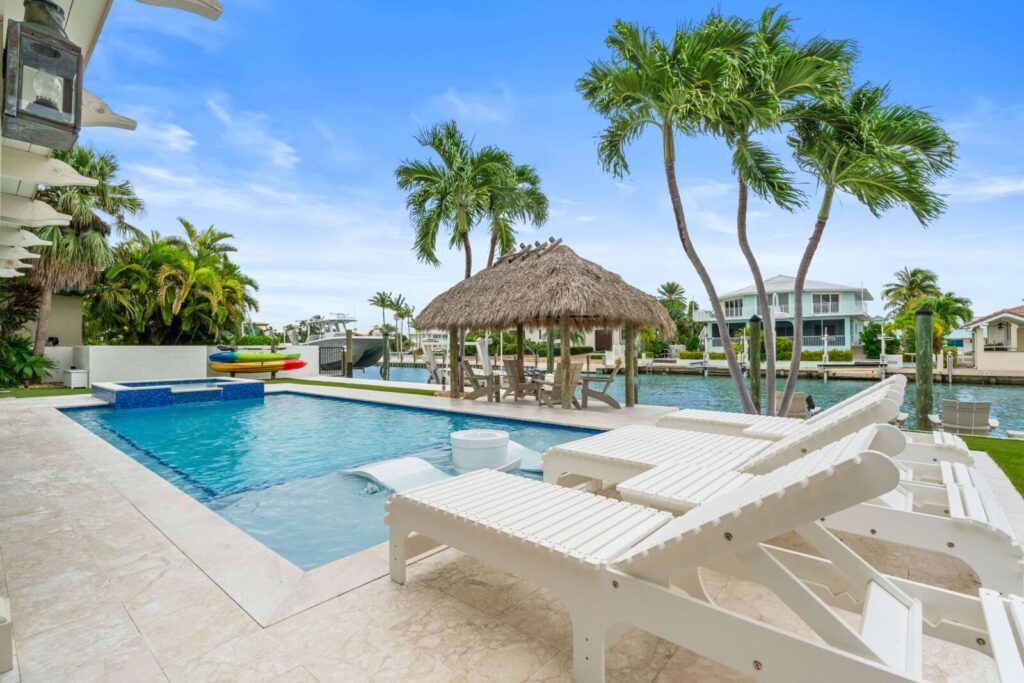
Does Adding More Amenities to Your Vacation Rental Actually Increase Bookings?
The short answer is no, not automatically. While the vacation rental industry often pushes the idea that loading a property with every possible upgrade will fill your calendar, the data tells a different story. Properties with carefully chosen amenities that match their target guest profile consistently outperform listings stuffed with features nobody asked for. The real question isn’t “how many amenities can I add?” It’s “which amenities actually earn their keep?”
Quick Answer: Strategic amenity selection based on your market, guest profile, and property type drives more bookings than piling on features. The wrong amenities increase maintenance costs, invite negative reviews, and eat into your margins without improving occupancy.
Why Do So Many Vacation Rental Owners Believe More Is Better?
The “more amenities = more bookings” belief comes from a reasonable place. Airbnb and VRBO use amenity filters in search, so listing more features does increase the number of searches where your property appears. According to AirDNA research, properties with comprehensive amenity packages see an average 23% increase in booking rates compared to basic listings.
But here’s what that statistic misses: it compares well-equipped properties against bare-bones ones. It doesn’t measure what happens when you go from 15 solid amenities to 30 mediocre ones. That’s where the myth falls apart.
The 2026 vacation rental landscape has shifted. StayFi’s annual industry report found that the stronger signal this year isn’t bigger homes or more amenities, but properties that feel “distinctive, well-reviewed, and aligned with the purpose of the trip.” Guests are becoming more selective. A hot tub that’s cloudy, a game room with broken equipment, or a “gourmet kitchen” with dull knives and mismatched pots will hurt you more than not having those features at all.
The real math behind amenity ROI
Every amenity you add comes with three costs most owners underestimate:
Upfront investment. The purchase and installation cost is the easy part. A hot tub runs $3,000 to $8,000 installed. A game room setup with a pool table, arcade machine, and foosball table can hit $5,000 or more.
Ongoing maintenance. This is where the myth unravels. Breezeway analyzed over 300,000 reported issues across vacation rental properties and found that hot tubs rank among the most problematic amenities. Common failures include incorrect water chemistry, broken jets, dirty filters, and units that won’t heat. Each service call costs $75 to $200, and a single missed maintenance cycle between turnovers can produce cloudy water, guest complaints, and a review that mentions the hot tub before anything else.
Liability when it breaks. Guesty’s maintenance data confirms that guests book based on photos but review based on experience. Nothing tanks a rating faster than a promised feature that doesn’t work. A broken amenity is worse than no amenity at all because it creates a gap between what the guest expected and what they got. That expectation gap is the single most common trigger for negative reviews.
Which Vacation Rental Amenities Actually Drive Bookings?
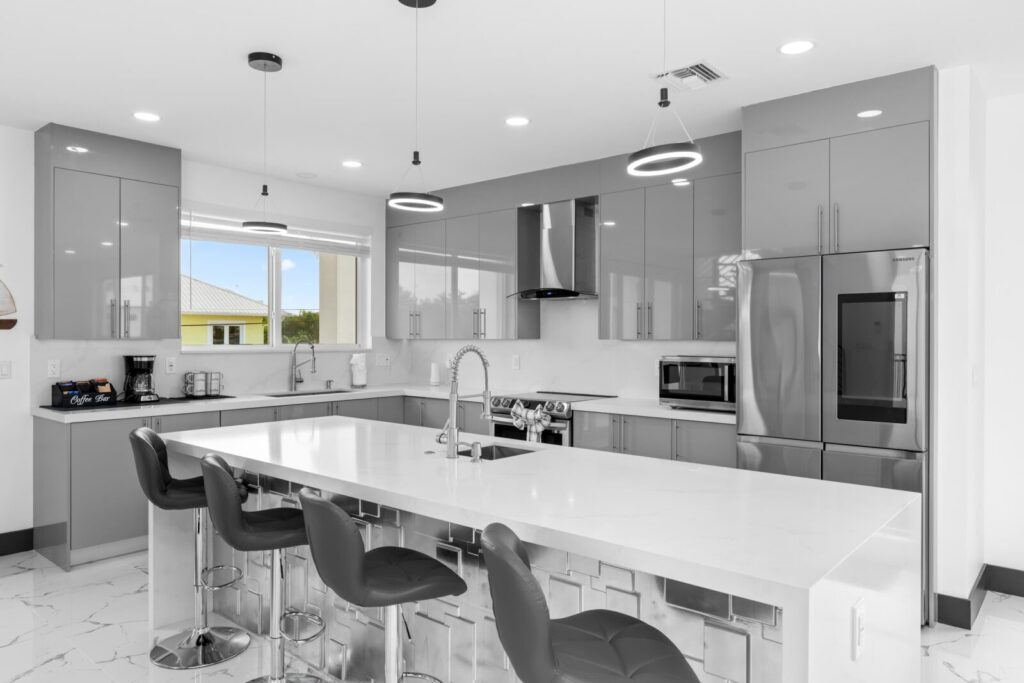
Not all amenities are created equal. Here’s how they break down based on current industry data and what we see across our own portfolio in Marathon and Miami.
Tier 1: Non-negotiables (guests expect these)
These aren’t competitive advantages anymore. They’re table stakes. Skip any of these and you’ll lose bookings to every neighboring listing that has them.
| Amenity | Why It Matters | Cost to Add |
| Fast, reliable Wi-Fi | Top complaint driver when missing or slow. Remote workers and families both need it. | $50-100/month |
| Smart lock or keypad entry | Simplifies check-in, eliminates key handoffs, improves security | $150-300 one-time |
| Air conditioning and heating | Non-optional in Florida. Guests will leave same-day without it. | Pre-installed |
| Quality linens and towels | First physical touchpoint of the stay. Rough towels = immediate bad impression. | $200-500 to upgrade |
| Fully stocked kitchen | Plates, pots, sharp knives, basic spices. Guests cook 40-60% of meals in vacation rentals. | $300-800 to fully equip |
Tier 2: High-ROI differentiators (these earn their keep)
These are the amenities that actually move the needle on bookings, nightly rate, and review scores.
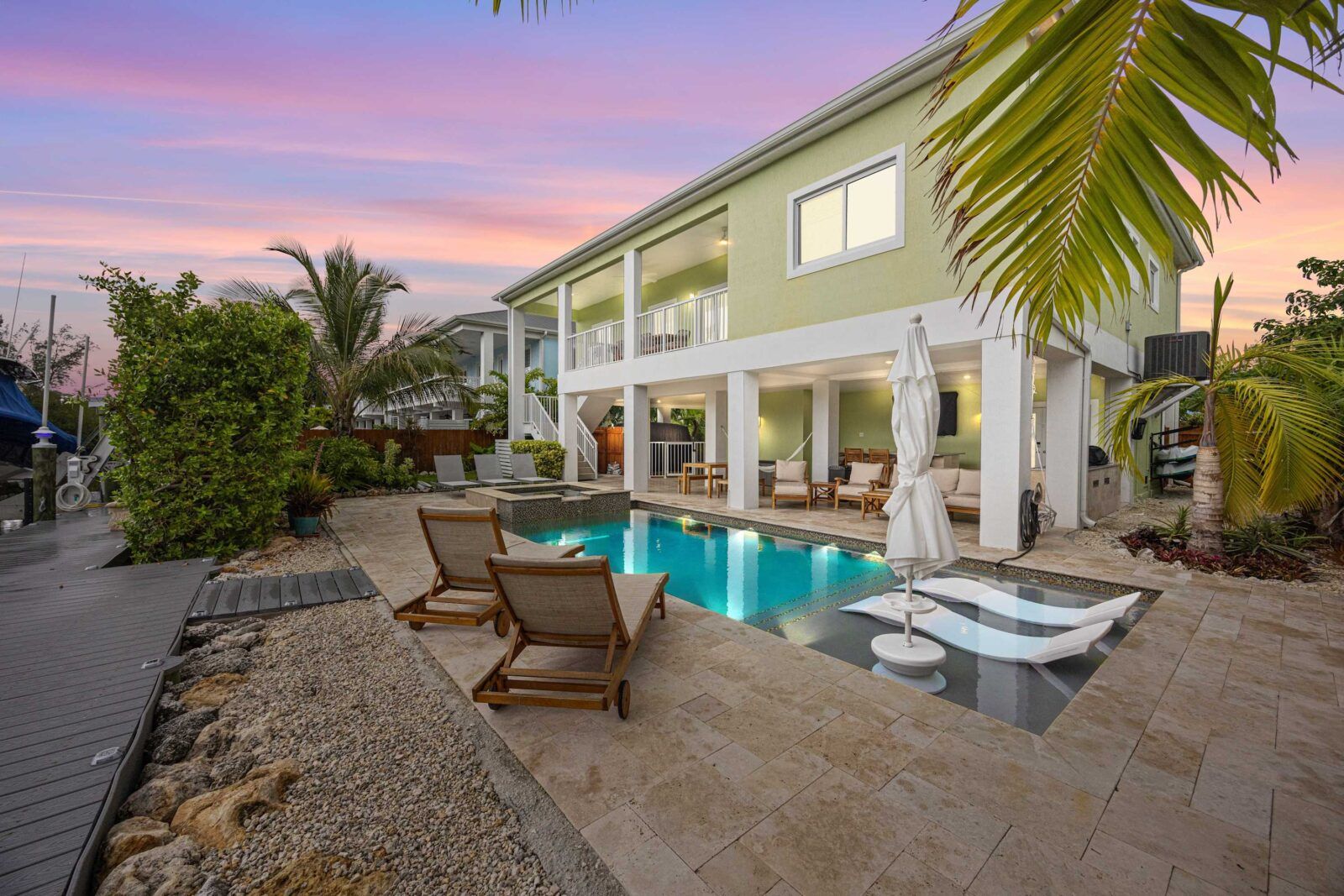
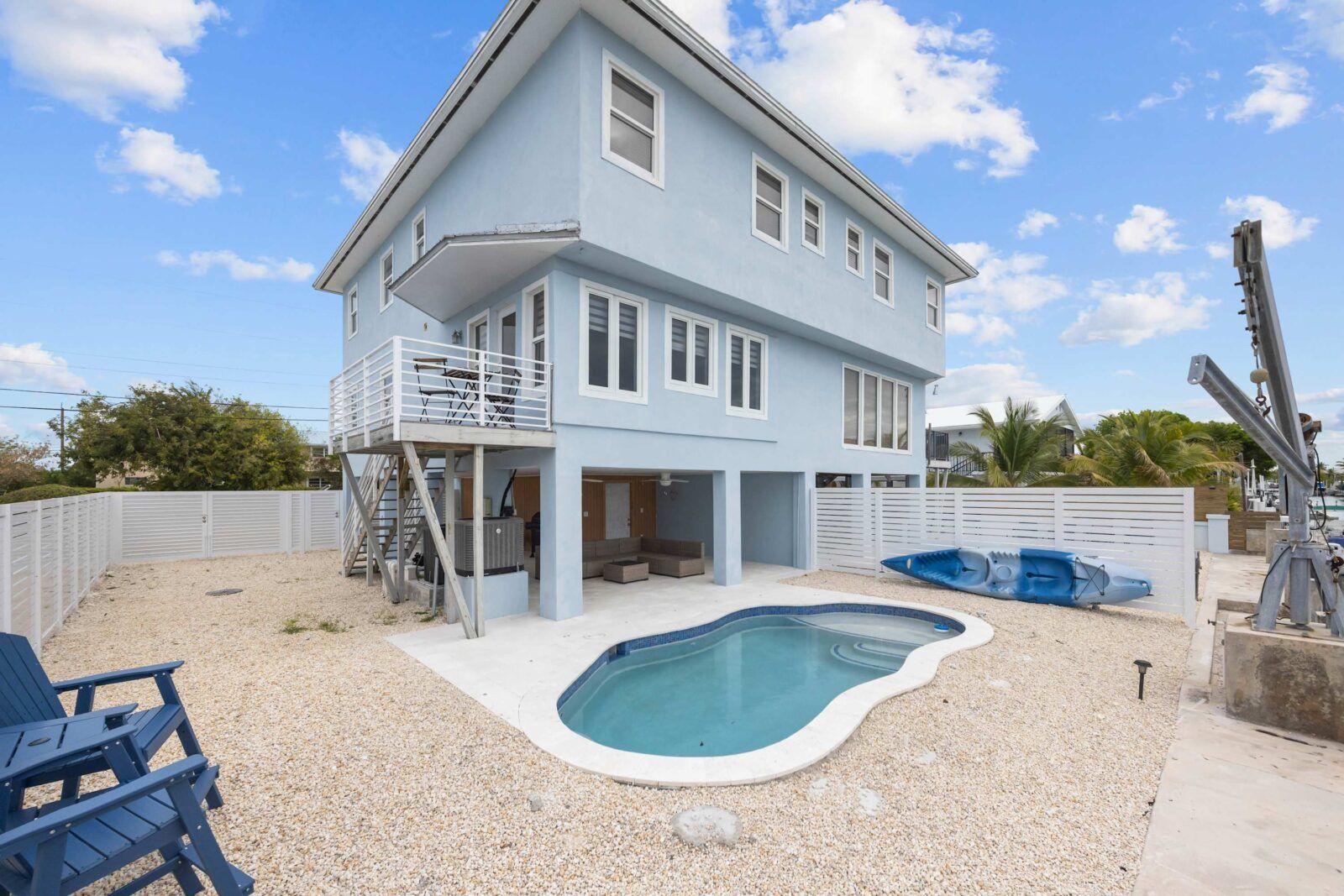
Private pool or hot tub. Vacasa’s data shows hot tubs can help properties earn 15-20% more in nightly revenue. But only when properly maintained. If you can’t commit to regular service between every turnover, don’t list one. A pool in the Florida Keys is practically expected for premium listings, and in Marathon, our properties with heated pools consistently book faster during shoulder season when ocean swimming gets cool.
Pet-friendly policies. This one is increasingly hard to ignore. Pet-friendly rentals see 54% more bookings and 9% higher average daily rates, according to Wander’s data analysis. Pet travelers stay 30% longer and spend 40% more per trip. With 45% of U.S. households owning at least one dog, restricting pets means you’re invisible to nearly half your potential guests.
Private dock with water access. In the Florida Keys specifically, this is a top-tier differentiator. Marathon guests come to fish, boat, dive, and kayak. A property with a 50-foot dock and direct ocean access offers something no hotel can match. Across our portfolio, dock properties consistently command $50-150 more per night than comparable homes without water access.
Outdoor living spaces. Fire pits, outdoor kitchens, covered dining areas, and lounging zones. Airbnb’s own internal data shows that listings with premium outdoor features see higher booking rates, especially in shoulder seasons. In vacation rentals, guests spend significant time at the property itself, so the backyard becomes the center of the trip. Our Marathon properties with outdoor kitchens, BBQ setups, and waterfront fire pits consistently earn reviews mentioning the outdoor space first.
Tier 3: Nice-to-haves (situational value)
These add value for specific guest segments but don’t universally improve bookings. Add them if they match your target guest, skip them if they don’t.
| Amenity | Best For | Skip If… |
| Game room (pool table, arcade, foosball) | Families, groups, rainy day entertainment | You can’t maintain the equipment between turnovers |
| Dedicated workspace | Remote workers, bleisure travelers | Your property targets weekend getaways, not extended stays |
| Gym equipment | Longer stays, health-conscious travelers | Space is limited or equipment will go unmaintained |
| Paddleboards / kayaks | Waterfront properties, active travelers | You don’t have safe storage and launch access |
| EV charger | Tech-forward travelers, Tesla owners | Installation costs exceed what your market will pay |
What Happens When You Add Too Many Amenities?
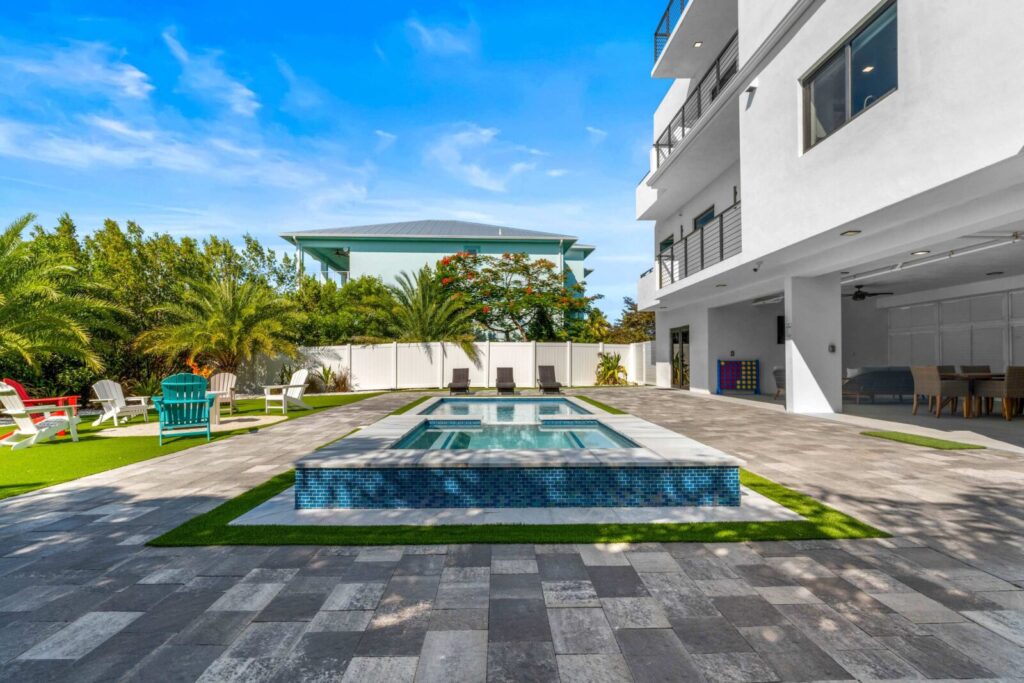
Here’s where owners get into trouble. The amenity overload problem shows up in three ways.
Maintenance becomes unmanageable
Every amenity is something that can break. Industry experts recommend setting aside 10-15% of your rental income monthly for maintenance. But owners who stack amenities often find that number creeping toward 20% or higher, especially with high-maintenance features like hot tubs, pools, complex outdoor kitchens, and electronics.
The math is simple. If you’re earning $300 per night and spending $60 of that maintaining amenities that don’t meaningfully increase your booking rate, you’d be more profitable with fewer, better-maintained features.
Guest expectations outpace your ability to deliver
Listing 40 amenities sets 40 expectations. Amenity-related complaints account for roughly 15% of negative Airbnb reviews, with the most common issues being broken or non-functional items that were promised in the listing. When a family books your property because the listing mentioned a “gourmet outdoor kitchen,” and they arrive to find a rusty gas grill with one working burner, you’ve lost that review before they’ve unpacked.
The Airbnb rating system in 2026 is unforgiving. The platform average has climbed to roughly 4.75-4.8 after Airbnb removed 300,000 low-performing listings in 2023. A 4.6 rating, which would have been respectable three years ago, now places you below average in most markets. One amenity-related complaint in a review can cost you that crucial 0.1 rating point, which AirDNA data suggests correlates with a $2-3 per night drop in revenue per available room.
Your listing becomes generic instead of distinctive
When you try to be everything to everyone, you end up being nothing special to anyone. The best-performing vacation rentals in 2026 aren’t the ones with the longest amenity lists. They’re the ones with a clear identity.
A Marathon fishing property with a 75-foot dock, a fish-cleaning station, a bait freezer, and rod storage will outperform a similar property that traded the bait freezer for a yoga mat and the rod storage for a “meditation corner.” The fishing property knows its guest. The generic one is hoping to attract everyone and compelling no one.
How Should Vacation Rental Owners Think About Amenities Instead?
The shift in thinking is straightforward. Stop asking “what can I add?” and start asking “who is my guest, and what do they actually need?”
Step 1: Define your guest profile
Every property attracts a primary guest type. In Marathon and the Florida Keys, the most common profiles are fishing groups, multigenerational families, couples on romantic getaways, and remote workers seeking extended stays. Each group values completely different things.
A fishing group wants dock access, a fish-cleaning station, and a freezer for their catch. They could not care less about a yoga studio.
A family with young kids wants a fenced pool, a game room for rainy afternoons, and a fully stocked kitchen. They’re not searching for “dedicated workspace.”
Step 2: Audit your existing amenities
Before adding anything new, honestly evaluate what you have. Walk through your property as a guest would. Test every appliance. Sit in every chair. Use the shower, the coffee maker, the grill. If anything is worn, stained, wobbly, or unreliable, fix or replace it before spending a dollar on new features.
We run full listing audits across every VPVR property before any upgrade conversation happens. More often than not, the highest-ROI move isn’t adding a new amenity. It’s replacing the tired patio furniture, upgrading the coffee maker from a basic drip to a quality single-serve machine, or adding blackout curtains to bedrooms.
Step 3: Invest in fewer, better amenities
If you have $5,000 to spend on your property, you’ll get a better return from one high-impact upgrade than five mediocre ones. A quality outdoor dining set with comfortable seating and good lighting will generate more positive reviews than a cheap hammock, a plastic cornhole set, a broken croquet set, a dusty telescope, and a stack of warped board games.
Step 4: Maintain what you have relentlessly
The top-performing properties in any market share one trait: everything works. The Wi-Fi is fast. The pool is clean. The grill fires up on the first try. The smart TV connects without a 20-minute troubleshooting session. This level of operational consistency matters more than any individual amenity.
At Villa Paraiso, our on-site team inspects every property between turnovers. We test appliances, check pool chemistry, verify Wi-Fi speeds, and confirm that every listed amenity is functioning before the next guest arrives. That operational discipline is worth more than any single upgrade we could install.
What Does This Look Like in Practice? A Florida Keys Example
Consider two hypothetical Marathon vacation rentals, both 4-bedroom waterfront homes listed at similar price points.
Property A lists 45 amenities: pool, hot tub, kayaks, paddleboards, fishing rods, game room, home gym, yoga mats, telescope, metal detector, beach wagon, bikes, golf clubs, bocce ball, croquet, horseshoes, a “library,” a “meditation space,” and a partridge in a pear tree. Half the equipment is dated. The hot tub chemical balance is inconsistent. The bikes have flat tires more often than not. The “home gym” is a dusty corner with a single dumbbell set.
Property B lists 20 amenities: heated pool (maintained daily), 50-foot dock with fish-cleaning station, outdoor kitchen with new gas grill and dining for 8, high-speed Wi-Fi, smart TVs in every room, quality linens, and a fully equipped kitchen with sharp knives and good cookware.
Property B will outperform Property A in occupancy, nightly rate, and reviews. Every single time. Not because it has more. Because everything it has actually works, and the amenities align with what Marathon guests come for.
Properties like Saltwater Social follow this philosophy. The 75-foot dock, heated pool, outdoor kitchen, game room, and putting green aren’t random additions. They’re curated for the groups and families who book Marathon waterfront rentals. And every one of them is maintained between turnovers.
Which Amenities Matter Most for Florida Keys Vacation Rentals?
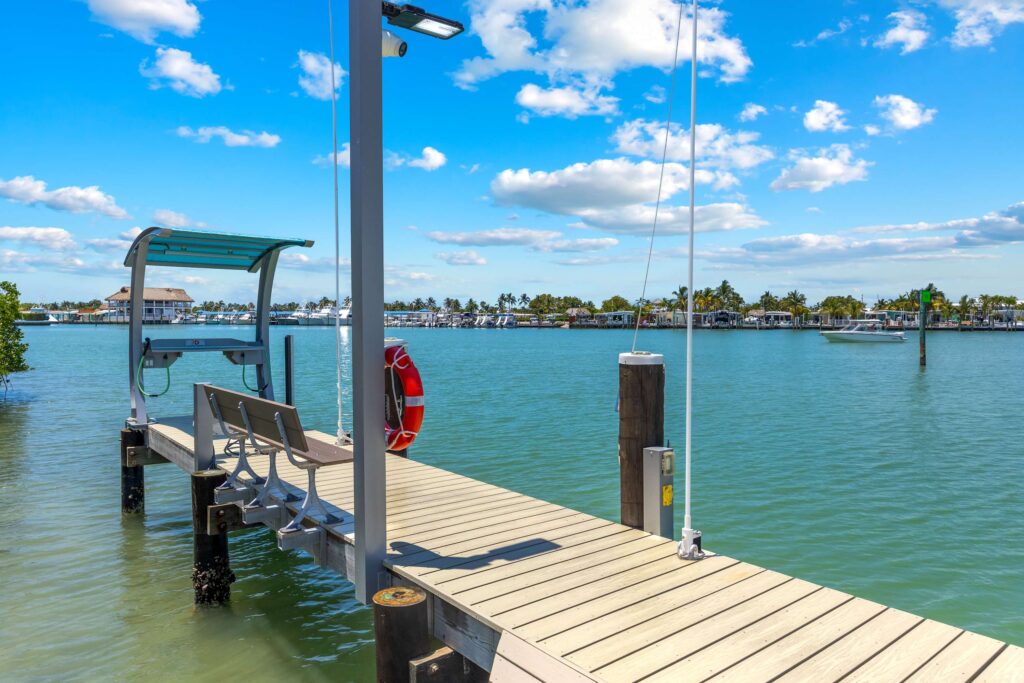
The Florida Keys market has specific guest expectations that differ from mountain cabins or urban apartments. Here’s what our experience across 20+ Marathon and Key Colony Beach properties tells us.
Water access is king. Dock size, depth, and ocean access are the first things serious Keys travelers filter for. Properties like Blue Pearl with its 70-foot dock and Mermaid Manor with its 50-foot dock on a clear-water canal consistently attract boating and fishing guests who book longer stays and spend more.
Heated pools extend your season. Marathon’s winter weather hovers in the low-to-mid 70s, which is perfect for outdoor activities but cool enough that unheated pools sit unused from December through February. A heated pool turns shoulder season into booking season. Properties like Emerald Oasis and Azul Paradise book through winter specifically because guests know the pool will be comfortable.
Outdoor kitchens sell the Keys lifestyle. Guests come to the Keys expecting to cook fresh-caught fish, grill under the stars, and eat outdoors. A quality outdoor kitchen with a working grill, prep space, and seating does more for your booking rate than any indoor amenity.
Game rooms save rainy days. Afternoon thunderstorms are a fact of life in the Keys from June through October. Properties with functional game rooms, like Aqua Verde with its foosball table, arcade, and dominoes setup, or Mermaid’s Paradise with its full game room, give families a reason to stay happy during a two-hour downpour instead of writing a frustrated review.
Pro Tips from a Property Manager Who’s Tested This
After six years managing luxury vacation rentals in the Florida Keys and Miami, here are the lessons we keep coming back to.
Test every amenity yourself before listing it. Sleep in the beds. Cook on the stove. Use the grill. If something frustrates you, it will frustrate your guests ten times more because they’re paying for the experience.
Read your reviews like a detective. If three guests in a row mention that the coffee maker is hard to use, replace it. If nobody ever mentions the telescope you bought, that’s money you could have spent on better patio lighting. Reviews are your free market research.
Don’t list amenities you can’t maintain. If you can’t service the hot tub between every turnover, take it out of your listing photos. If the kayaks are stored where they collect mildew, either fix the storage or remove them. An honest listing with 15 working amenities will outperform a dishonest listing with 30 half-working ones.
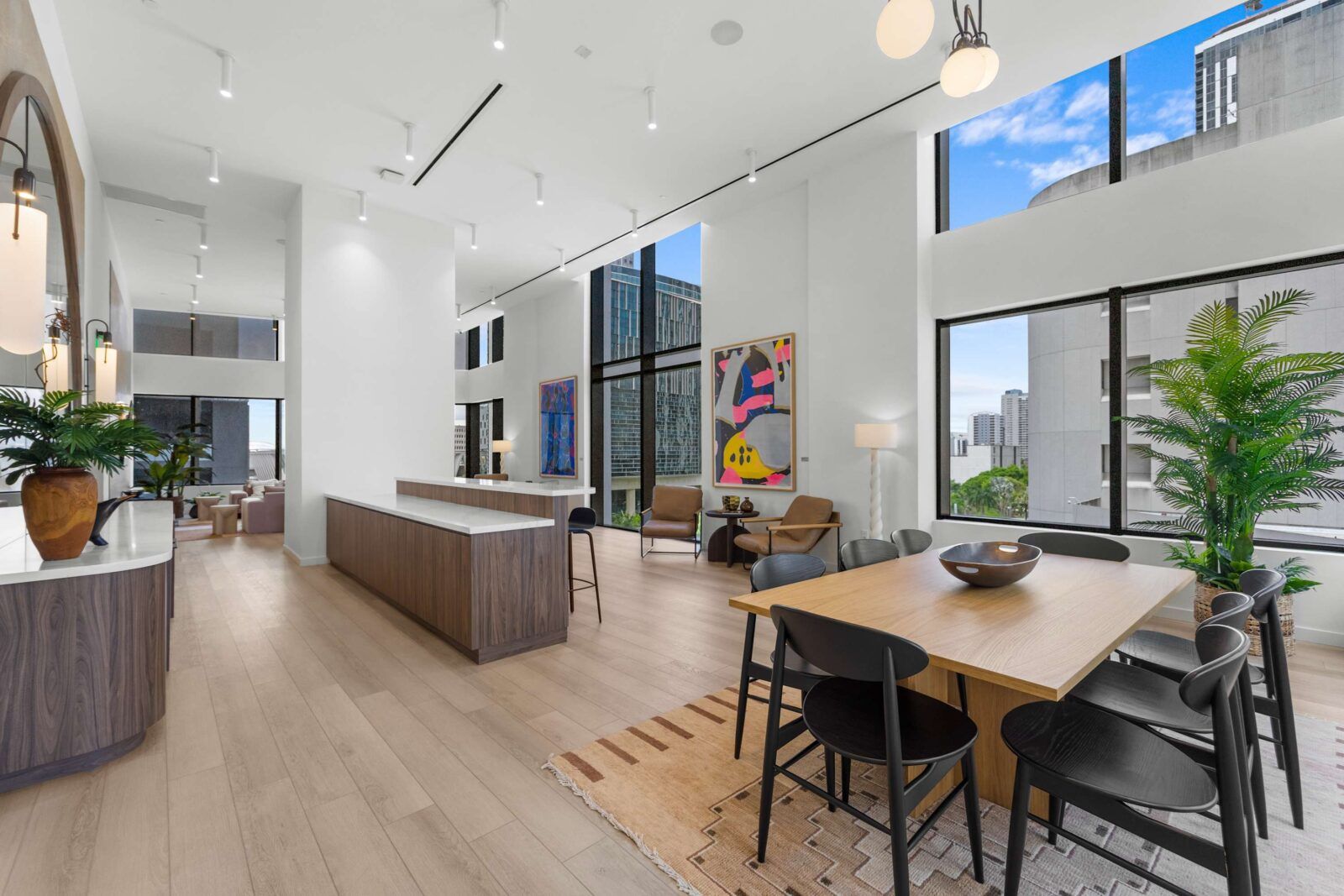
Match your upgrades to your market. An EV charger adds real value at a Miami high-rise like Sky Mirage. In Marathon, that same $2,000 would be better spent on dock lighting or a fish-cleaning station upgrade.
Where to Stay in the Florida Keys (Properties That Get Amenities Right)
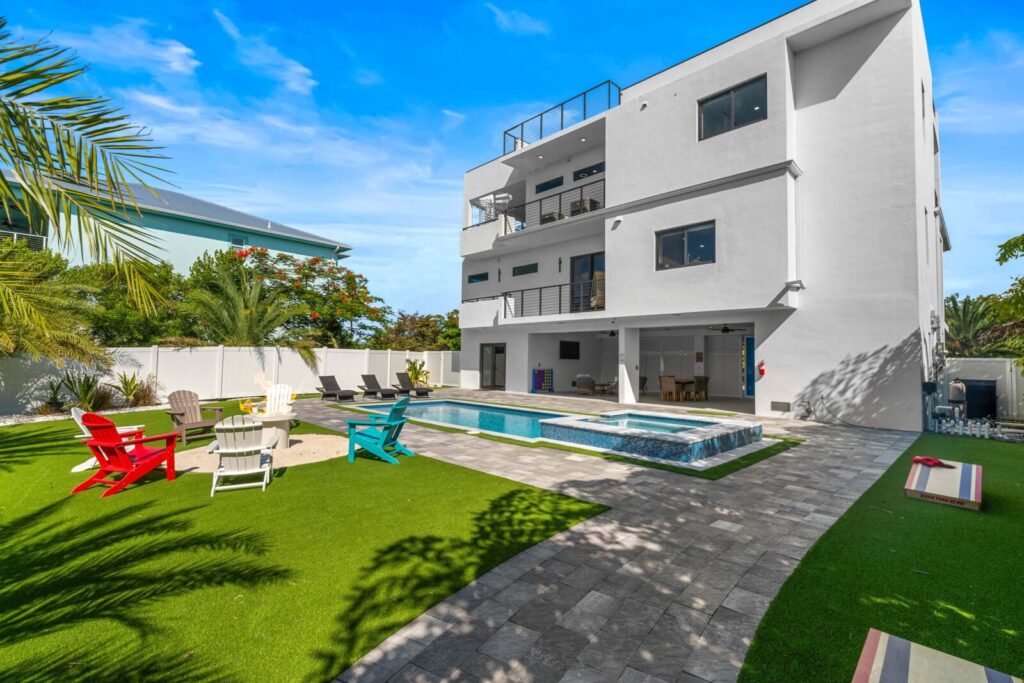
If you’re planning a Florida Keys vacation and want a property where every listed amenity actually works, browse our Marathon vacation rentals. Every Villa Paraiso property is inspected between turnovers, maintained by our local team, and designed around the activities our guests actually come for.
For fishing and boating, Ocean Muse offers a 40-foot dock, heated pool, jacuzzi, rooftop deck, and elevator access across all levels.
For families and groups, Seabreeze Cove in Key Colony Beach includes cabana club access with a private beach and pool, plus a 38-foot dock.
For the full Keys experience with room to spread out, Luna Light delivers waterfront pool and dock access with panoramic views.
Book direct with Villa Paraiso and save 15-20% compared to third-party platforms. Use code DIRECT15 for 15% off your first direct booking, or DIRECT5 as a returning guest. Call us at (786) 348-1396 or email [email protected].
FAQ’s
Do more amenities mean more vacation rental bookings?
Not necessarily. Properties with well-maintained, guest-relevant amenities outperform those with long lists of mediocre features. The key is matching your amenity selection to your target guest profile and maintaining everything you offer to a high standard. A broken amenity is worse than no amenity at all.
What are the most important amenities for a vacation rental?
The non-negotiables are fast Wi-Fi, smart lock entry, climate control, quality linens, and a fully stocked kitchen. Beyond those, the highest-ROI upgrades are private pools or hot tubs (15-20% revenue increase), pet-friendly policies (54% more bookings), and outdoor living spaces with grills and dining areas.
What vacation rental amenities have the highest ROI?
Pet-friendly policies offer the best return because they cost almost nothing to implement but open your property to 45% of U.S. households. Smart locks, quality linens, and outdoor dining setups also deliver strong returns relative to their cost. Hot tubs and pools can earn 15-20% more per night but require consistent maintenance investment.
How much should I budget for vacation rental amenity maintenance?
Industry experts recommend setting aside 10-15% of your rental income each month specifically for maintenance. Properties with high-maintenance amenities like hot tubs, pools, and complex outdoor kitchens may need to budget closer to 15-20%. Preventive maintenance is always cheaper than emergency repairs during peak season.
Which amenities cause the most problems in vacation rentals?
Hot tubs are consistently the most problematic amenity, with common issues including water chemistry imbalance, broken jets, and dirty filters. Kitchen appliances generate the most maintenance complaints overall. Any amenity that requires regular calibration or service between guest turnovers carries higher risk of failure and negative reviews.
What amenities do Florida Keys vacation rental guests look for?
Florida Keys guests prioritize water access and private docks, heated pools for year-round swimming, outdoor kitchens and BBQ areas for cooking fresh-caught seafood, and game rooms for rainy afternoon entertainment. Fishing-specific features like fish-cleaning stations, bait freezers, and rod storage are high-value differentiators in Marathon.
Should I add a hot tub to my vacation rental?
Only if you can commit to professional maintenance between every guest turnover. Hot tubs can boost nightly revenue by 15-20%, but they’re also one of the most maintenance-intensive amenities. Cloudy water, broken jets, or incorrect temperature will generate negative reviews that offset any booking advantage. Budget $100-200 per month minimum for ongoing hot tub maintenance.