What to Pack for Florida Keys: The Only Checklist (2026)
Share:
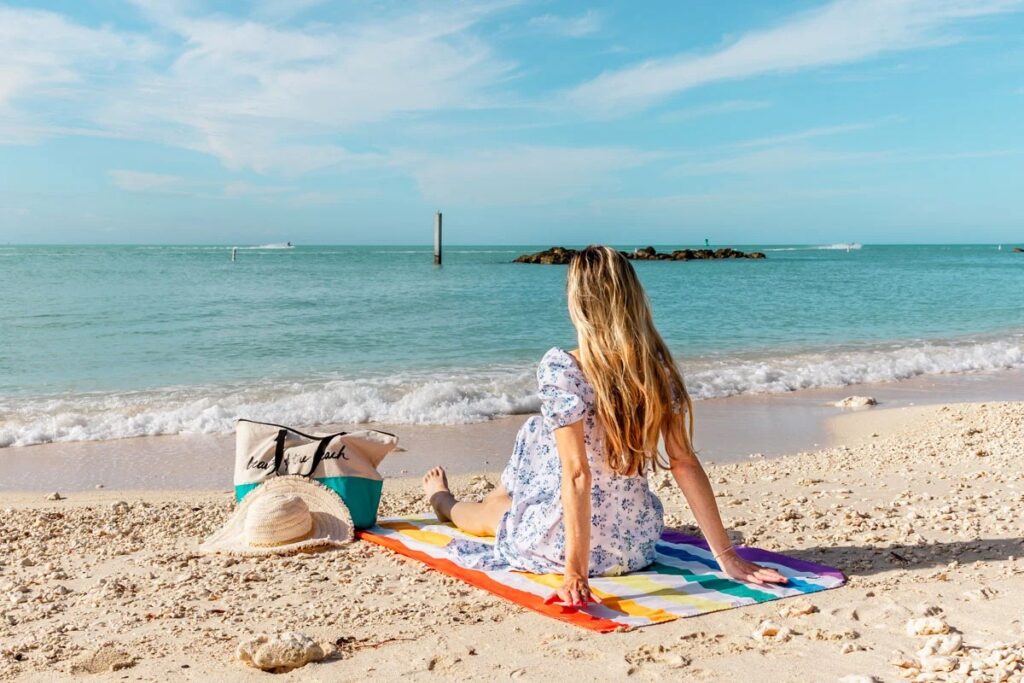
What to Pack for the Florida Keys: The Only Checklist You Need
Knowing what to pack for Florida Keys comes down to understanding one thing: this is not a typical beach destination. The subtropical climate, coral reef regulations, and outdoor-first lifestyle mean your usual vacation suitcase probably needs some adjustments. Between reef-safe sunscreen requirements, unpredictable afternoon rain showers, and the kind of salt-air living that eats through cheap electronics, the difference between a smooth trip and a frustrating one often starts with your packing list.
Quick Answer: Pack lightweight, moisture-wicking clothing, reef-safe sunscreen (oxybenzone and octinoxate are banned in Key West), polarized sunglasses, water shoes, rain gear, insect repellent, and a dry bag for electronics. Leave the high heels, heavy jackets, and chemical-laden sunscreen at home.
What Clothes Should I Pack for the Florida Keys?

The Florida Keys sit at latitude 24 degrees north, where temperatures range from the mid-60s in January to the upper 80s in August. Humidity stays high year-round, hovering between 71% and 77% depending on the month. That combination means breathable, quick-dry fabrics are your best friend.
For daytime, pack lightweight shorts, linen or cotton shirts, and swimwear you can wear under clothes (you will get wet unexpectedly). Tank tops and loose-fitting sundresses work well for women. For men, board shorts that double as casual wear save suitcase space and dry fast after an impromptu swim.
Evenings in the Keys are casual. Even the nicest waterfront restaurants in Marathon accept guests in clean shorts and a collared shirt or a simple sundress. Leave the formal wear at home. A light sweater or hoodie covers the occasional cool evening from December through February, when nighttime temps can dip into the low 60s.
Seasonal clothing adjustments
| Season | Daytime Temps | What to Add |
| Winter (Dec-Feb) | 70s°F | Light jacket, long pants for evenings, closed-toe shoes for boat trips |
| Spring (Mar-May) | Upper 70s-low 80s°F | Extra swimsuits (they won’t dry fast enough), sun hat |
| Summer (Jun-Aug) | Upper 80s°F | Multiple changes of clothes per day, lightest fabrics you own |
| Fall (Sep-Nov) | Low-mid 80s°F | Rain jacket (hurricane season), quick-dry everything |
Our guests at properties like Ocean Muse and Mermaid’s Paradise spend most of their time poolside or on the dock, so swimwear gets more use than anything else in your suitcase.
Why Is Reef-Safe Sunscreen Required in the Florida Keys?
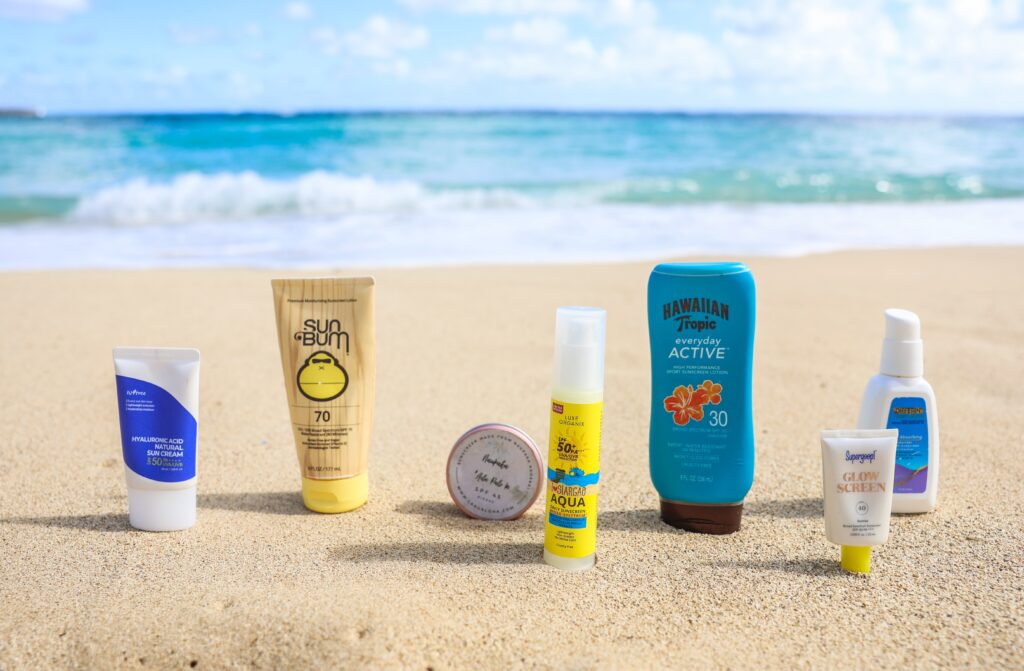
The Florida Keys are home to the only living coral barrier reef in the continental United States, and it is under serious stress. Chemicals found in many popular sunscreens, specifically oxybenzone and octinoxate, have been shown to damage coral larvae, cause bleaching, and prevent reef reproduction. The Surfrider Foundation’s Florida Keys chapter has documented how these compounds persist in the water for years.
Key West passed an ordinance banning the sale of sunscreens containing oxybenzone and octinoxate, effective January 1, 2021. While you can technically bring non-compliant sunscreen from elsewhere, the spirit of the law is clear: switch to mineral-based sunscreen with non-nano zinc oxide or titanium dioxide as the active ingredients.
The Florida Keys National Marine Sanctuary, which protects over 3,800 square miles of water surrounding the Keys, strongly encourages all visitors to use reef-safe products. NOAA and the National Park Service both recommend mineral sunscreens over chemical alternatives.
What to look for on the label: The only active ingredients should be zinc oxide and/or titanium dioxide. Avoid anything listing oxybenzone, octinoxate, octocrylene, or homosalate.
Pack your reef-safe sunscreen before you leave home. While compliant products are available at local shops, the selection is limited and prices are higher than what you will find online or at home.
What Water Gear Should I Bring to the Florida Keys?
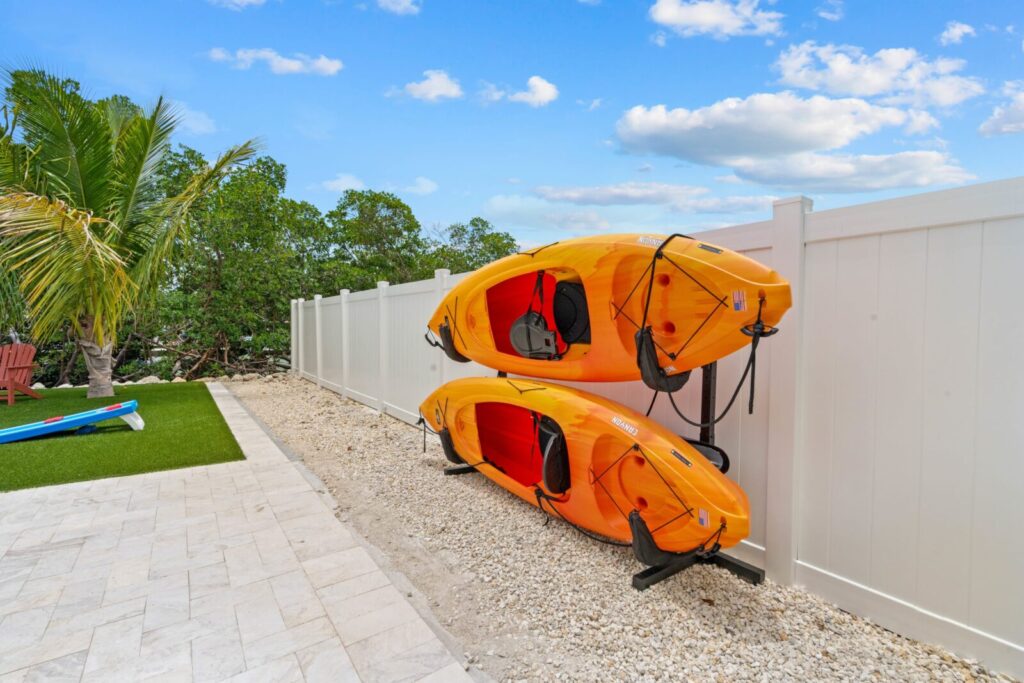
The Keys are built around the water. Whether you are snorkeling Sombrero Reef, fishing from a private dock at Blue Pearl, or kayaking the mangrove channels near Emerald Oasis, you will spend a significant portion of your trip in, on, or near the ocean.
Here is the water gear worth packing:
- Polarized sunglasses: Not optional. The glare off the Keys’ shallow turquoise water is intense, and polarized lenses let you see through the surface to spot fish, coral, rays, and lobster. Bring a retention strap so they do not end up on the ocean floor.
- Water shoes or reef-safe sandals: The shoreline in many Keys locations is limestone rock, not soft sand. Water shoes protect your feet from sharp coral fragments and sea urchins. Sombrero Beach has sandy areas, but the entry at many snorkeling spots is rocky.
- Snorkel and mask: Rental gear is available at dive shops throughout the Keys, but if you have your own that fits well, bring it. A leaking mask ruins a snorkeling trip faster than anything else. The Florida Keys National Marine Sanctuary recommends booking snorkel trips with Blue Star-certified operators for the best reef experiences.
- Dry bag: Salt water and electronics do not mix. A waterproof dry bag protects your phone, wallet, and keys during boat trips, kayaking, and beach days. A 10-liter bag is enough for essentials.
- Rash guard or UPF shirt: These provide better sun protection than sunscreen alone and reduce the amount of product that washes into the water. Most experienced Keys visitors wear UPF clothing as their primary sun defense.
If you are planning to fish, many of our Marathon properties like Saltwater Social and Aqua Verde have private docks with fish-cleaning stations, so pack a lightweight pair of fishing pliers and a fillet knife if you plan to keep your catch.
Do I Need Rain Gear for the Florida Keys?
Yes, especially from June through November. The Florida Keys receive most of their annual rainfall (roughly 43 inches total) during the wet season, with September being the wettest month at around 7.5 inches. But even during the dry season (December through May), brief showers pop up without much warning.
The good news: Keys rain showers are usually short. A typical summer afternoon storm rolls in fast, dumps heavy rain for 20 to 30 minutes, and moves on. Skies clear quickly and the temperature drops a few degrees, which is actually a relief in July.
What to pack for rain:
- A lightweight, packable rain jacket (not an umbrella, which is impractical in Keys winds)
- Quick-dry clothing that can handle getting caught in a downpour
- Waterproof phone case or dry bag
- A backup plan for rainy day activities in Marathon, like game rooms at properties such as Mermaid’s Paradise or visiting the Turtle Hospital
During hurricane season (June through November), keep an eye on forecasts from the National Weather Service Key West office. The Visit Florida Keys safety page becomes an official information hub during any weather events.
What Sun Protection Do I Actually Need in the Keys?
The Florida Keys sit closer to the Tropic of Cancer than any other point in the continental U.S. The UV index here regularly hits 10 or higher in summer, and reflected light off the water amplifies exposure significantly. Locals will tell you: the sun here is no joke, even on overcast days.
Your sun protection packing list should include:
- Wide-brim hat: A baseball cap leaves your ears and neck exposed. A hat with at least a 3-inch brim provides meaningful coverage. Straw hats look the part, but a packable nylon sun hat survives suitcase compression better.
- UPF 50+ clothing: At least one long-sleeve UPF shirt for days on the water. This is the single most effective sun protection method and reduces your reliance on sunscreen.
- Reef-safe sunscreen, SPF 30 or higher: Apply 15 minutes before sun exposure and reapply every two hours, or after swimming. Your face, ears, tops of feet, and backs of hands burn first.
- Lip balm with SPF: Forgotten constantly, regretted always.
- Polarized sunglasses with UV protection: Look for lenses rated UV400 or higher.
After managing waterfront properties in Marathon for years, we have learned that first-time Keys visitors consistently underestimate the sun. Guests at Vista Del Mar and Luna Light often spend their entire first day by the pool or on the dock and wake up the next morning looking like a lobster. Start with shade and build up gradually.
Should I Pack Fishing Gear for a Florida Keys Trip?
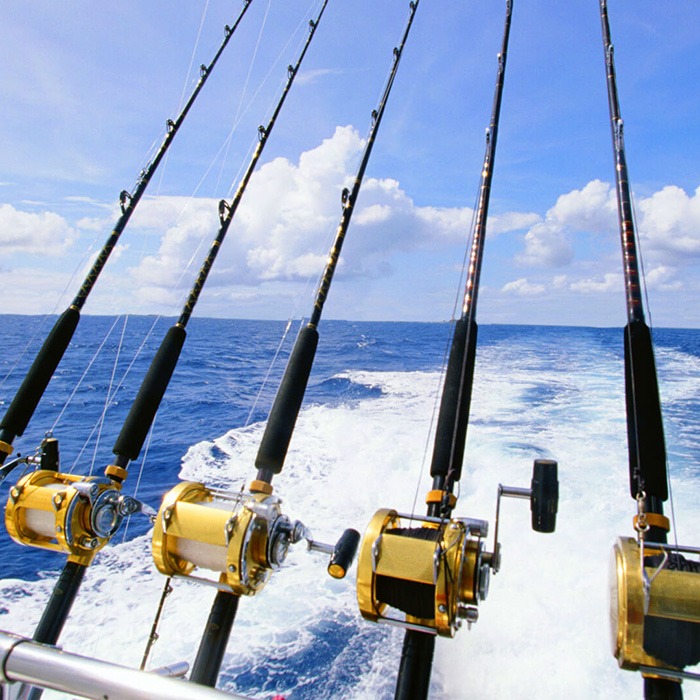
That depends on how you plan to fish. If you are booking a charter, the captain provides all the gear, tackle, bait, and your saltwater fishing license is covered under the charter’s blanket license. You just show up.
If you plan to fish from shore, a bridge, or a private dock at one of our properties like Blue Pearl or Saltwater Social, bring or buy a medium-weight spinning rod and basic tackle. Sabiki rigs for bait, circle hooks in sizes 1/0 to 3/0, and a few jigs will cover most dock and bridge fishing situations in Marathon.
You will need a Florida saltwater fishing license. Residents and non-residents can purchase annual licenses online through GoOutdoorsFlorida.com. Note that as of 2026, non-resident 3-day and 7-day licenses must be purchased in person at a county tax collector’s office or authorized agent location, so plan accordingly. The FWC license page has full details on pricing and exemptions.
For a deeper look at where to cast a line, check out our guide to the 7 best fishing spots in Marathon, Florida.
What Should I Leave at Home?
Packing for the Keys is as much about what you skip as what you bring. Here is what experienced Keys visitors leave behind:
- Formal clothing: Nobody dresses up in the Keys. Even nice restaurants are shorts-and-sandals casual.
- Heavy jackets or winter layers: A light hoodie or fleece handles the coldest Keys nights. Temperatures almost never drop below 55°F.
- High heels or dress shoes: Between uneven docks, sandy walkways, and boat decks, heels are impractical and potentially dangerous.
- Chemical sunscreen: As covered above, mineral-based sunscreen is the responsible (and locally encouraged) choice.
- Excessive luggage: Most Keys vacation rentals, including all Villa Paraiso properties, provide beach towels, pool towels, linens, kitchen essentials, and toiletries. Check your property’s amenity list before packing duplicates.
- Expensive jewelry: Salt air and chlorinated pool water damage fine jewelry quickly. Leave the heirlooms at home.
What About Insect Repellent and Other Essentials?
Mosquitoes are present in the Keys year-round, though they are worst during and after the rainy season (June through November). The Visit Florida Keys visitor safety guide recommends mosquito protection for personal comfort and health.
Pack a DEET-based or picaridin-based repellent for evenings outdoors. No-see-ums (tiny biting midges) are common at dawn and dusk near mangrove areas. A repellent that works on both mosquitoes and no-see-ums will save you misery.
The complete essentials checklist
| Category | Must-Pack Items |
| Sun protection | Reef-safe sunscreen, wide-brim hat, UPF shirt, polarized sunglasses, SPF lip balm |
| Water gear | Polarized sunglasses, water shoes, dry bag, rash guard, snorkel/mask |
| Rain prep | Packable rain jacket, waterproof phone case, quick-dry clothing |
| Clothing | Swimsuits (3+), lightweight shorts/shirts, light layer for evenings, casual dinner outfit |
| Bug defense | DEET or picaridin repellent, long-sleeve shirt for evening docks |
| Tech | Waterproof phone case, portable charger, car phone mount for US-1 navigation |
| Documents | Fishing license (if needed), travel insurance confirmation, property check-in info |
| Health | Motion sickness meds (for boat trips), after-sun aloe, basic first aid |
Where to Stay in the Florida Keys

The right vacation rental makes packing easier. When your property comes stocked with beach towels, pool floats, a full kitchen, kayaks, fishing rods, and outdoor grills, you can pack lighter and spend less time shopping on arrival.
Villa Paraiso manages 20+ waterfront properties across Marathon and Key Colony Beach, each equipped with the essentials guests need. A few standouts for different trip styles:
- Ocean Muse: Heated pool, jacuzzi, 40-foot dock, elevator, and rooftop deck. Ideal for families or groups wanting a luxury home base.
- Mermaid’s Paradise: Game room, 73-foot dock, pool, and open-concept living. A favorite with families traveling with kids.
- Emerald Oasis: Heated pool and complimentary kayaks for exploring the mangrove channels right from your backyard.
- Seabreeze Cove: Key Colony Beach location with exclusive Cabana Club access and a 38-foot dock.
Browse our full collection of Marathon vacation rentals or call (786) 348-1396 for personalized recommendations.
FAQ’s
What should I pack for a trip to the Florida Keys?
Pack lightweight, breathable clothing, reef-safe sunscreen with zinc oxide or titanium dioxide, polarized sunglasses, water shoes, a packable rain jacket, insect repellent, and a dry bag for electronics. Most Florida Keys vacation rentals provide towels, linens, and kitchen supplies, so check your property’s amenity list before overpacking.
Is regular sunscreen allowed in the Florida Keys?
Key West has banned the sale of sunscreens containing oxybenzone and octinoxate to protect the coral reef. While you can bring non-compliant sunscreen from elsewhere, reef-safe mineral sunscreen (zinc oxide or titanium dioxide) is strongly recommended throughout the entire Keys by NOAA and the Surfrider Foundation.
Do I need a fishing license in the Florida Keys?
If you fish from shore, a dock, or a bridge, you need a Florida saltwater fishing license. Non-resident annual licenses ($47) can be purchased online at GoOutdoorsFlorida.com. Non-resident 3-day ($17) and 7-day ($30) licenses must be purchased in person as of 2026. Charter boat captains cover the license for all passengers.
What kind of shoes should I wear in the Florida Keys?
Water shoes or reef-safe sandals with good grip are the most versatile footwear for the Keys. The shoreline is often limestone rock rather than soft sand, and you will want foot protection when entering the water at snorkeling spots. Flip-flops work for casual walking but slip on wet docks.
Does it rain a lot in the Florida Keys?
The Florida Keys receive around 43 inches of rain annually, concentrated in the wet season from June through November. Summer storms are typically brief afternoon downpours lasting 20 to 30 minutes. The dry season (December through May) sees minimal rainfall, making it the most popular time to visit.
What should I not pack for the Florida Keys?
Skip formal clothing, heavy jackets, high heels, chemical-based sunscreen, expensive jewelry, and excessive luggage. The Keys are casual year-round, temperatures rarely dip below 55°F, and most vacation rentals provide beach towels, linens, and kitchen essentials.
How do I pack for the Florida Keys in winter?
Winter in the Keys (December through February) brings daytime highs in the 70s and nighttime lows in the low 60s. Pack the same lightweight clothing as summer, but add a light jacket or fleece, one pair of long pants, and closed-toe shoes for boat trips. You will still need swimsuits, sunscreen, and sun protection.