Wreck Diving in Marathon FL: The Complete 2026 Guide | Villa Paraiso
Share:
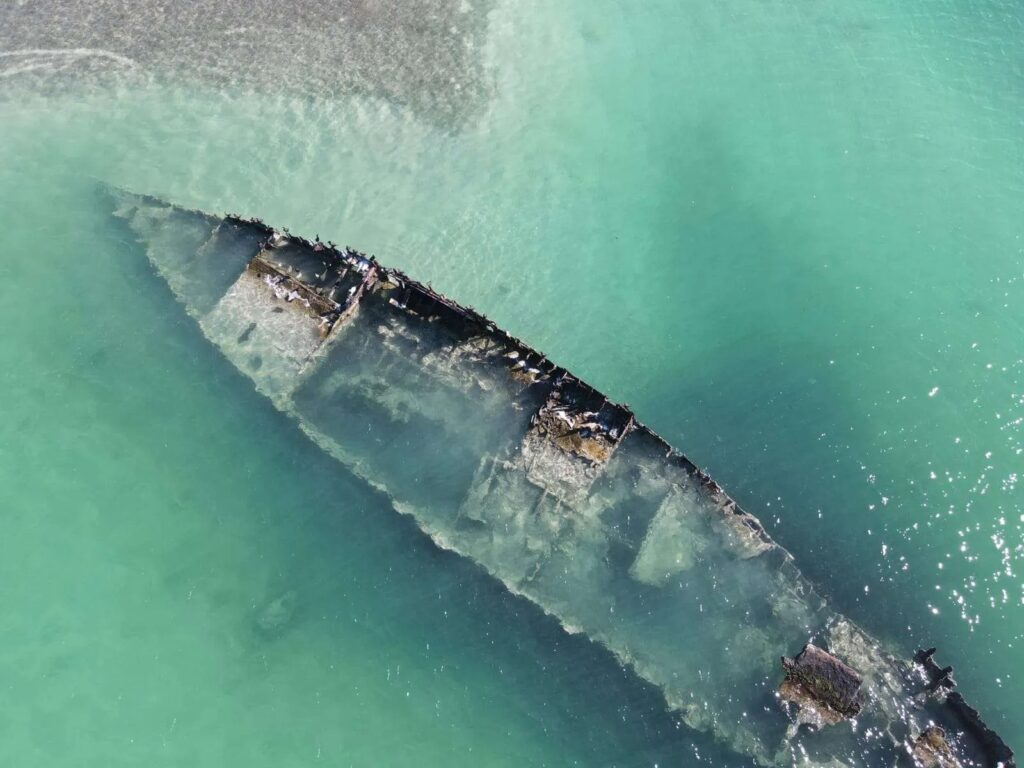
The Complete Guide to Wreck Diving in Marathon FL Waters
Marathon, Florida sits at the center of one of the most wreck-dense stretches of ocean in the Western Hemisphere. From a 188-foot WWII cable-laying ship resting upright at 120 feet to scattered 18th-century barque timbers in just 20 feet of water, the Middle Keys offer wreck dives for every certification level. The Florida Keys National Marine Sanctuary protects these sites, which together form part of the official Florida Keys Shipwreck Trail.
Quick Answer: Marathon, FL, is home to roughly a dozen wreck dive sites ranging from 20 to 120 feet deep, anchored by the Thunderbolt, the Adelaide Baker, and remnants of the 1733 Spanish treasure fleet.
What Wreck Dive Sites Can You Explore Near Marathon?
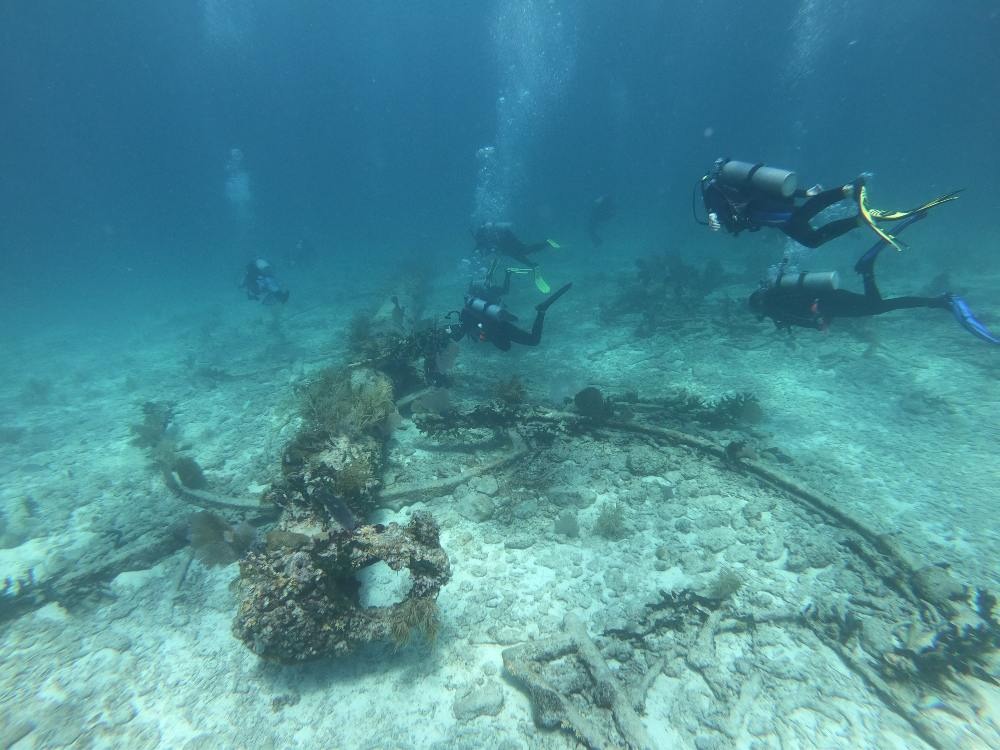
Marathon’s wreck portfolio ranges from shallow snorkel-friendly debris fields to advanced deepwater penetration dives. The Florida Keys National Marine Sanctuary manages mooring buoys at several of these sites to prevent anchor damage to surrounding coral.
Here are the wreck dive sites accessible from Marathon dive charters:
- Thunderbolt (120 ft max depth): A 188-foot former WWII mine planter turned lightning research vessel, sunk in 1986 as an artificial reef. Sits upright and intact on sand four miles south of Key Colony Beach. Part of the official Shipwreck Trail. Advanced Open Water certification required.
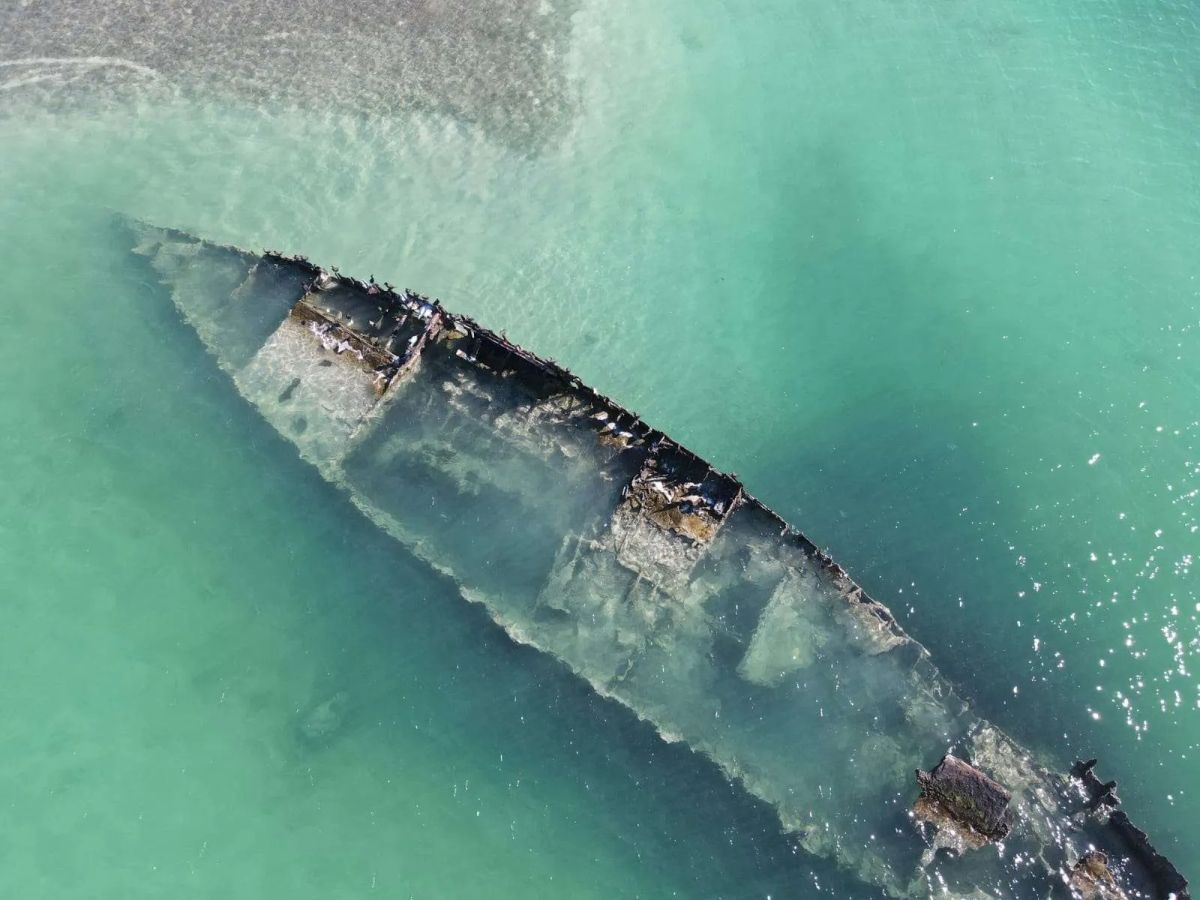
- Adelaide Baker (20-25 ft): A 153-foot three-masted copper-plated barque that grounded on Coffins Patch Reef in January 1889. Debris scattered over 1,400 feet in two fields. Excellent for beginners and snorkelers. Also on the Shipwreck Trail.
- Flagler’s Barge (15-25 ft): Coral-encrusted remnants near Sombrero Reef, covered in tropical marine life. Accessible to novice divers and snorkelers.
- Angustias/Nuestra Senora de las Angustias (18-20 ft): A 1733 Spanish treasure fleet wreck with strong currents. Part of one of history’s most devastating maritime disasters, when a hurricane scattered an entire fleet along 80 miles of Florida coastline.
- El Sueco de Arizon (shallow): The smallest vessel in the 1733 fleet, resting in Marathon-area waters.
- San Ignacio (shallow): Another 1733 fleet casualty located south of the Marathon area.
- Duck Key Wreck (20-25 ft): A lesser-documented wreck four miles south of Duck Key, suitable for novice divers.
- 7 Mile Bridge Reef/Marathon Reef (115 ft): Created in 1982 when 4,500 tons of concrete and steel from the Old Seven Mile Bridge swing span were sunk approximately 3.2 nautical miles off Sombrero Beach. Considered one of Marathon’s more challenging drift dives.
- Brick Wreck (shallow): Located between Duck Key and Marathon proper, suitable for intermediate divers.
The NOAA Shipwreck Trail page provides underwater guides, mooring positions, history, and marine life information for each official trail site.
Why Is the Thunderbolt Marathon’s Most Popular Wreck Dive?
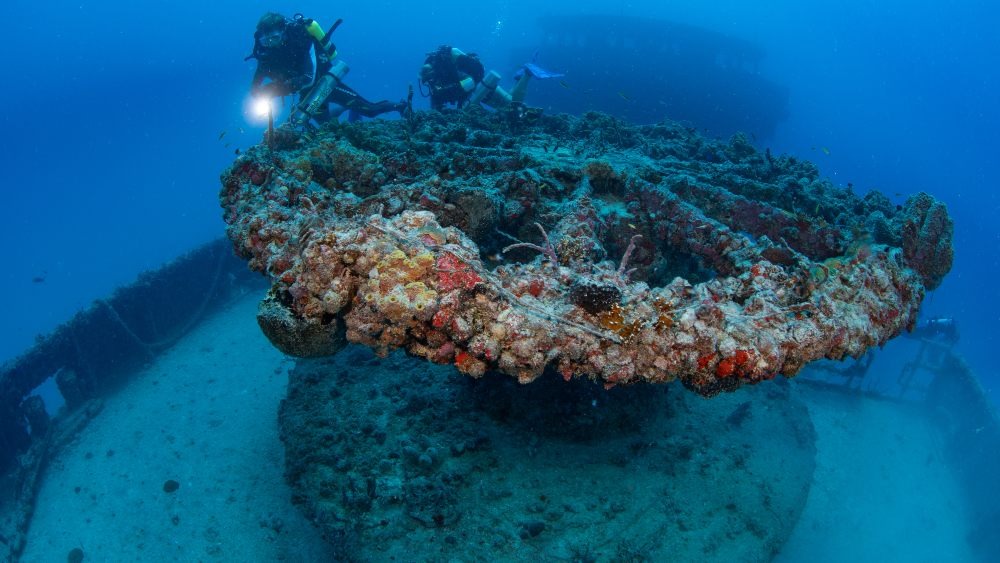
The Thunderbolt is the signature dive in the Marathon area, and the reason goes beyond size. Originally named Major General Wallace F. Randolph, this vessel was built at Point Pleasant, West Virginia, in 1942 for the U.S. Army’s Coast Artillery Corps. Her job was planting and tending defensive coastal minefields. After military decommission, Caribbean Enterprises of Miami bought the vessel in 1961, and Florida Power and Light later acquired it for research on electrical energy from lightning strikes, which gave the ship her final name.
The local dive community purchased the Thunderbolt and prepared her for divers by cutting wide swim-throughs before sinking her on March 3, 1986. She now sits upright and intact on a flat sandy bottom.
What You’ll See on a Thunderbolt Dive
| Feature | Depth | Highlights |
| Observation deck | 75 ft | First structure encountered on descent |
| Forecastle/cable reel | 80 ft | Horizontal cable handling reel, a popular photo spot |
| Main deck | 85-100 ft | Large hatches for engine compartment access |
| Engine room | 100-110 ft | Accessible through cut-away aft superstructure |
| Wheelhouse | ~95 ft | Easy swim-through with wide openings |
| Rudder and propellers | 120 ft | Two bronze propellers, intact stern section |
Marine life around the Thunderbolt includes goliath grouper (some tipping 700+ pounds), large angelfish, amberjack schools, black grouper, barracuda, hogfish, nurse sharks, and, during summer months, migrating tarpon.
Two submerged mooring floats at roughly 25 feet (one at bow, one at stern) provide descent lines that help divers manage the sometimes strong currents at the site.
Thunderbolt Dive Requirements
You’ll need an Advanced Open Water certification (or equivalent) to dive the Thunderbolt. The deck starts at 100 feet, and max depth hits 120 feet, which means bottom time is limited to roughly 20-30 minutes even with a dive computer. Many divers use Nitrox to extend their time. Captain Hook’s Marina and Dive Center, one of Marathon’s longest-running dive operations at Mile Marker 53, runs regular Thunderbolt trips, though they require a minimum of 3-5 divers to make the trip. If it’s been more than a year since your last dive, expect to complete a refresher course before heading to the wreck.
Which Marathon Wrecks Are Best for Beginners?
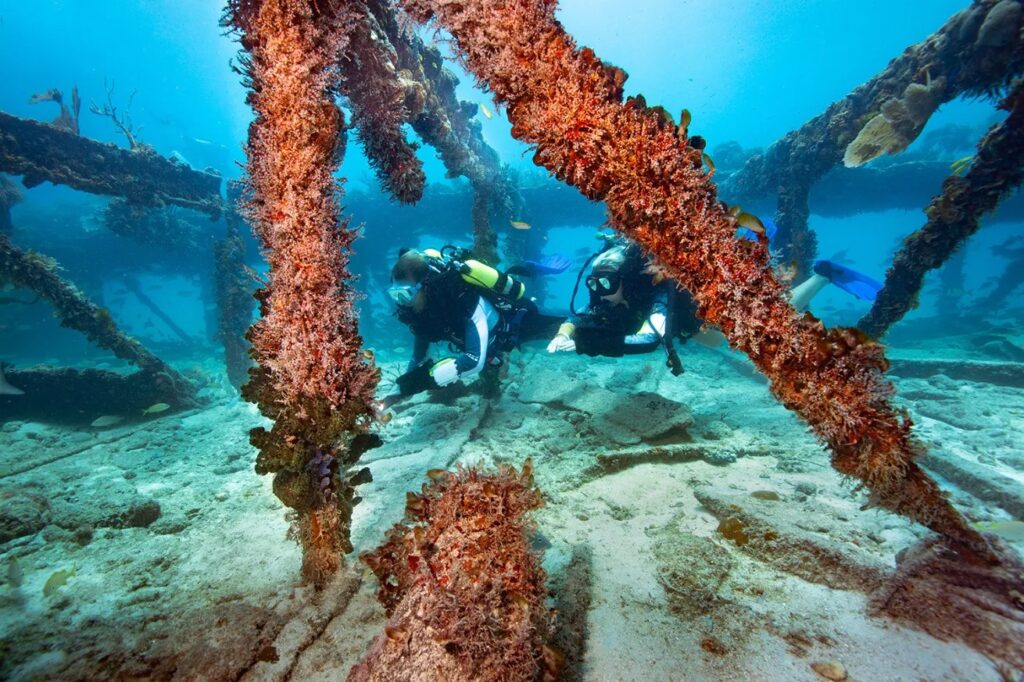
Not all wreck diving requires advanced certification. Marathon’s shallow wrecks offer entry-level divers and snorkelers a genuine shipwreck experience without the depth pressure.
The Adelaide Baker sits in just 20-25 feet of water with typically good visibility. Built in 1863 as the F.W. Carver, this British-owned, copper-plated barque grounded on Coffins Patch Reef on January 28, 1889, while hauling sawn timber to Savannah, Georgia. Her captain reportedly turned north too early, misjudging his position along the Keys. No lives were lost. Local wreckers helped the crew to safety and salvaged part of her lumber cargo.
Today, the wreck’s remains are scattered along a 1,400-foot debris path running roughly north-northwest. The primary site holds concentrated granite ballast from where the vessel first broke open. Nearby you’ll find wood and iron frames, a section of the mizzen mast, and a metal water tank. Marine life here includes grouper, porkfish, nurse shark, barracuda, yellowtail snapper, moray eels, spiny lobster, parrotfish, angelfish, blue tangs, and sea fans.
NOAA maintains an underwater guide for the Adelaide Baker with detailed site maps and mooring buoy positions.
Flagler’s Barge, near Sombrero Reef, is another shallow option. This coral-covered artificial reef has become home to a wide array of tropical fish and invertebrates. Both sites work well as second dives after a morning Thunderbolt trip, which is a common schedule for Marathon dive charters. If you prefer to stay closer to the surface, our guide to the best Marathon snorkeling spots covers Sombrero Reef, Coffins Patch, and other sites accessible without scuba certification.
When Is the Best Time for Wreck Diving in Marathon?
Marathon offers year-round diving thanks to Florida’s tropical climate, but conditions vary by season.
| Season | Water Temp | Visibility | Conditions | Best For |
| April – July | 80-86°F | Best (often 60-100 ft) | Calm seas, minimal wind | Thunderbolt, deep wrecks |
| August – November | 82-86°F | Good (40-80 ft) | Hurricane season risk, warmer water | Shallow wrecks, reef combos |
| December – March | 72-75°F | Good (50-80 ft) | Cooler, sometimes breezy | All sites on calm days |
April through July is the sweet spot. Seas tend to be calmer, winds lighter, and visibility can reach 80-100 feet on the best days. Summer months also bring migrating tarpon to the Thunderbolt, which creates encounters you won’t get during winter.
The main risk factor for the August through November window is hurricane season. Any tropical system in the Gulf or Atlantic can shut down diving for days. Always check marine forecasts before booking, and build flexibility into your trip schedule.
Winter diving is still productive. Water temperatures in the low 70s are comfortable with a 3mm or 5mm wetsuit. Visibility stays solid at protected sites like Sombrero Reef and the Adelaide Baker. The Thunderbolt can be hit or miss during winter due to occasional strong currents and surface chop from cold fronts.
What Certification and Gear Do You Need for Marathon Wreck Diving?
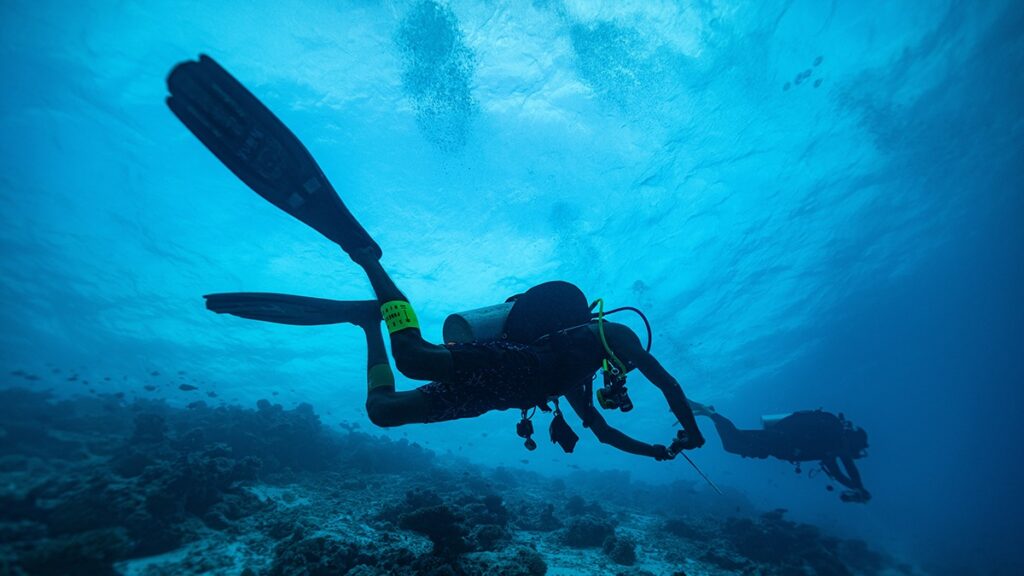
Certification requirements depend entirely on which site you’re diving:
| Certification Level | Sites Available |
| Open Water (or snorkel) | Adelaide Baker, Flagler’s Barge, Delta Shoals barge, 1733 fleet shallow sites |
| Advanced Open Water | Thunderbolt, 7 Mile Bridge Reef |
| Wreck Diving Specialty | Thunderbolt penetration dives |
For the Thunderbolt specifically, you’ll need to show your Advanced certification card at check-in. Dive operators like Captain Hook’s provide tanks, air, weights, and weight belts. Rental gear is available for everything else.
Gear Recommendations for Marathon Wreck Dives
Bring or rent an underwater light. Even on the shallower wrecks, light transforms the experience by revealing colors that water depth filters out. Gloves are recommended for the Thunderbolt. Many divers opt for Nitrox (enriched air) on deeper sites to extend bottom time and reduce nitrogen loading.
A surface marker buoy (SMB) is smart insurance on any Marathon wreck dive. Currents can shift during your dive, and an SMB makes it far easier for your boat captain to track and recover you on ascent.
What Rules Protect These Wreck Sites?
All Marathon wreck dive sites fall within the Florida Keys National Marine Sanctuary, which means specific regulations apply:
Artifact removal is prohibited. Every bolt, plate, and fragment you see on these wrecks is protected. Touching, standing on, or harvesting coral is illegal. When anchoring (where allowed), the first diver down must inspect the anchor placement to confirm it doesn’t contact living or dead coral. A red-and-white “divers down” flag (or blue-and-white alpha flag in federal waters) is required during all dives.
Several nearby reef areas, including Sombrero Reef and Coffins Patch, are designated Sanctuary Preservation Areas (SPAs). In SPAs, diving and snorkeling are permitted, but fishing and collecting are not. Respect the mooring buoys. They exist to protect coral from anchor damage, and their use is required at many wreck and reef sites.
How to Plan a Marathon Wreck Diving Trip
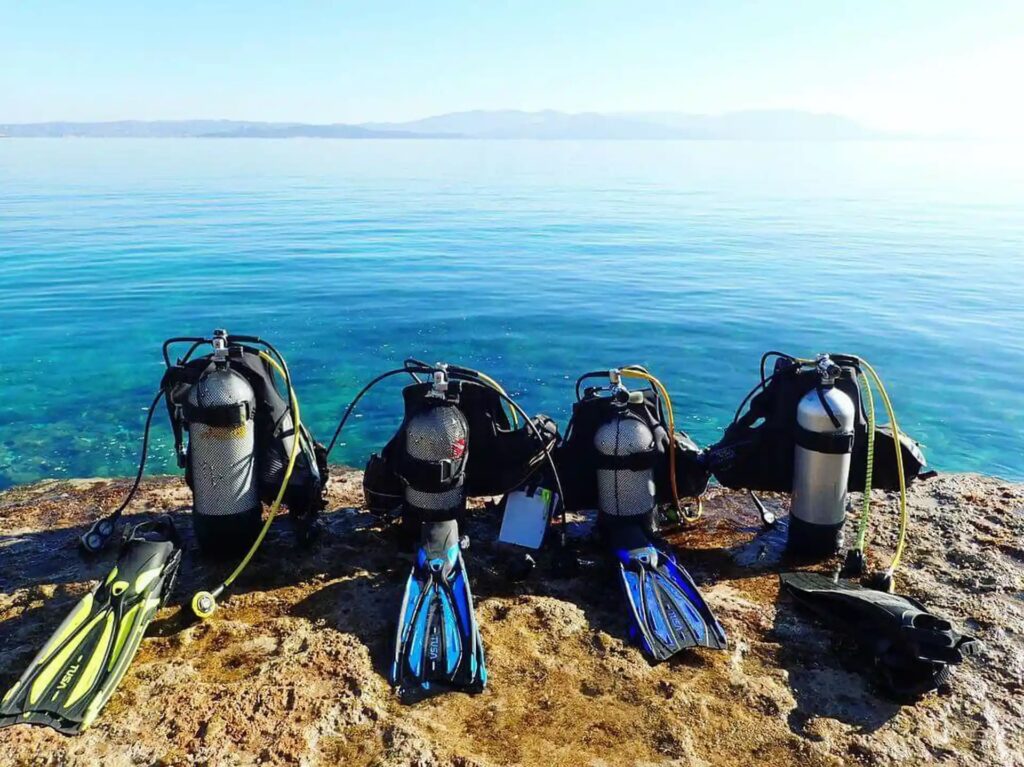
Getting to Marathon is straightforward. The Overseas Highway (US-1) runs directly through the Middle Keys. Key West International Airport (EYW) is 47 miles southwest, and Miami International Airport (MIA) sits roughly 110 miles northeast. Marathon also has a small regional airport (MTH) for private and charter flights. A rental car is the practical choice for hauling dive gear and getting to different launch points.
Marathon’s dive shops and charters cluster near Boot Key Harbor and Vaca Cut, around Mile Marker 53. On non-dive days, there’s plenty to fill your time. Check our guide to the 25 best things to do in Marathon for ideas beyond diving, from the Turtle Hospital to Sombrero Beach.
Planning Checklist
- Verify your certification level matches your target wreck sites
- Book Thunderbolt dives in advance (minimum diver requirements apply)
- Pack or arrange rental gear (check with your dive shop for specifics)
- Bring Nitrox certification card if you plan to dive enriched air
- Check marine weather forecasts for the week of your trip
- Build in at least one flexible day in case conditions push a dive
Most Marathon dive operations run two-tank morning trips, typically visiting a wreck and a reef. Afternoon trips are sometimes available. A common combo is a Thunderbolt dive followed by a shallower Coffins Patch reef dive, which lets you decompress and extend your day underwater.
Where to Stay for a Wreck Diving Trip in Marathon
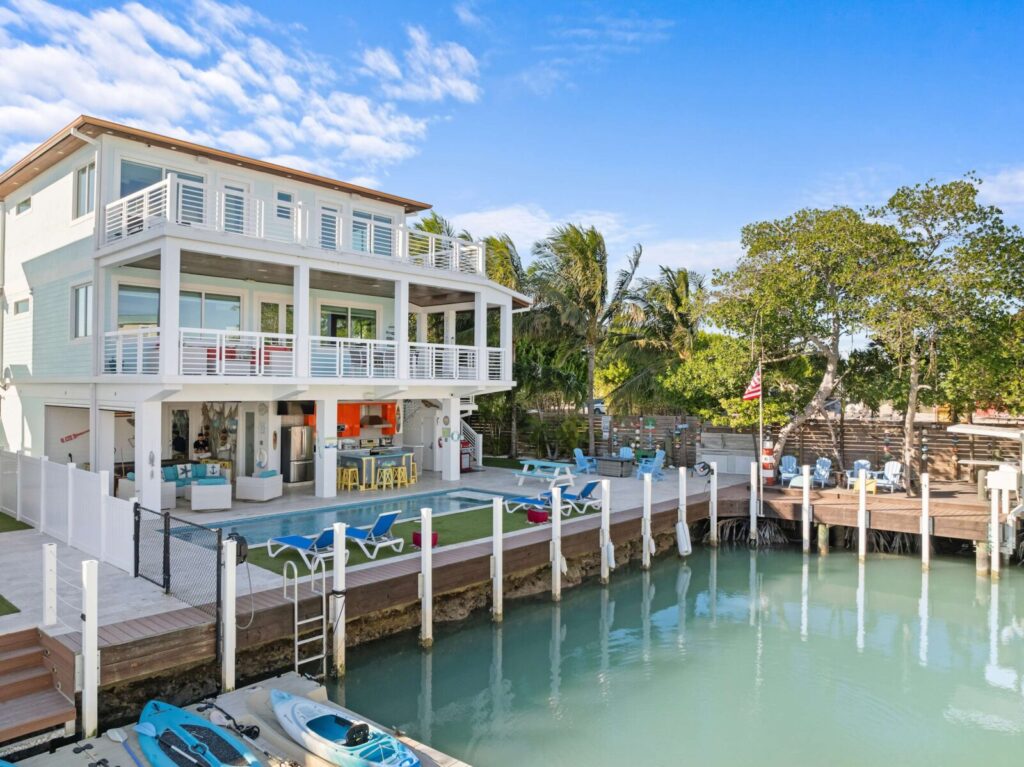
The logistics of a wreck diving trip work best when your accommodations sit close to the water. Marathon’s waterfront vacation rentals offer private docks where you can rinse and dry gear, store equipment, and stage early-morning departures without the constraints of a hotel room.
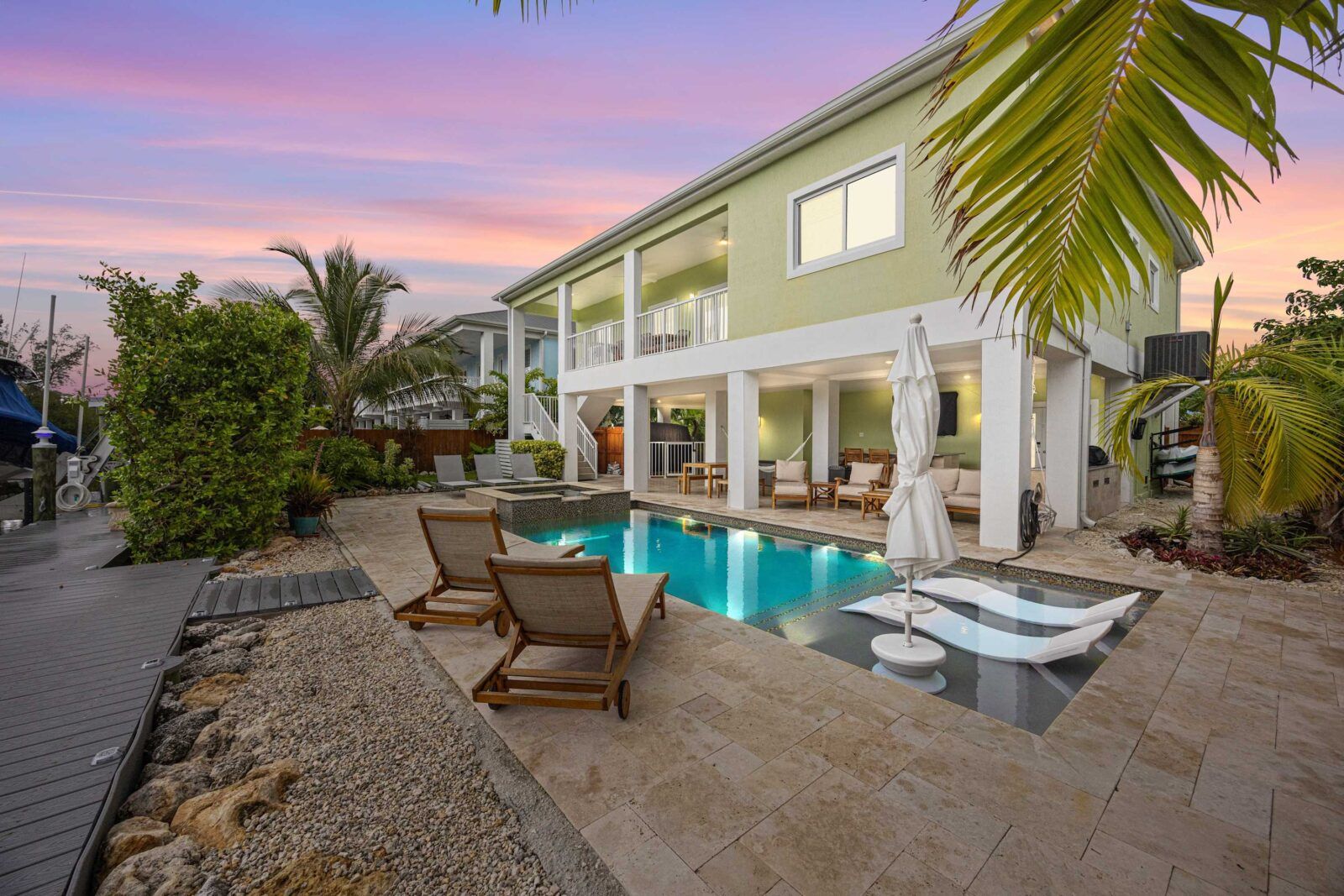
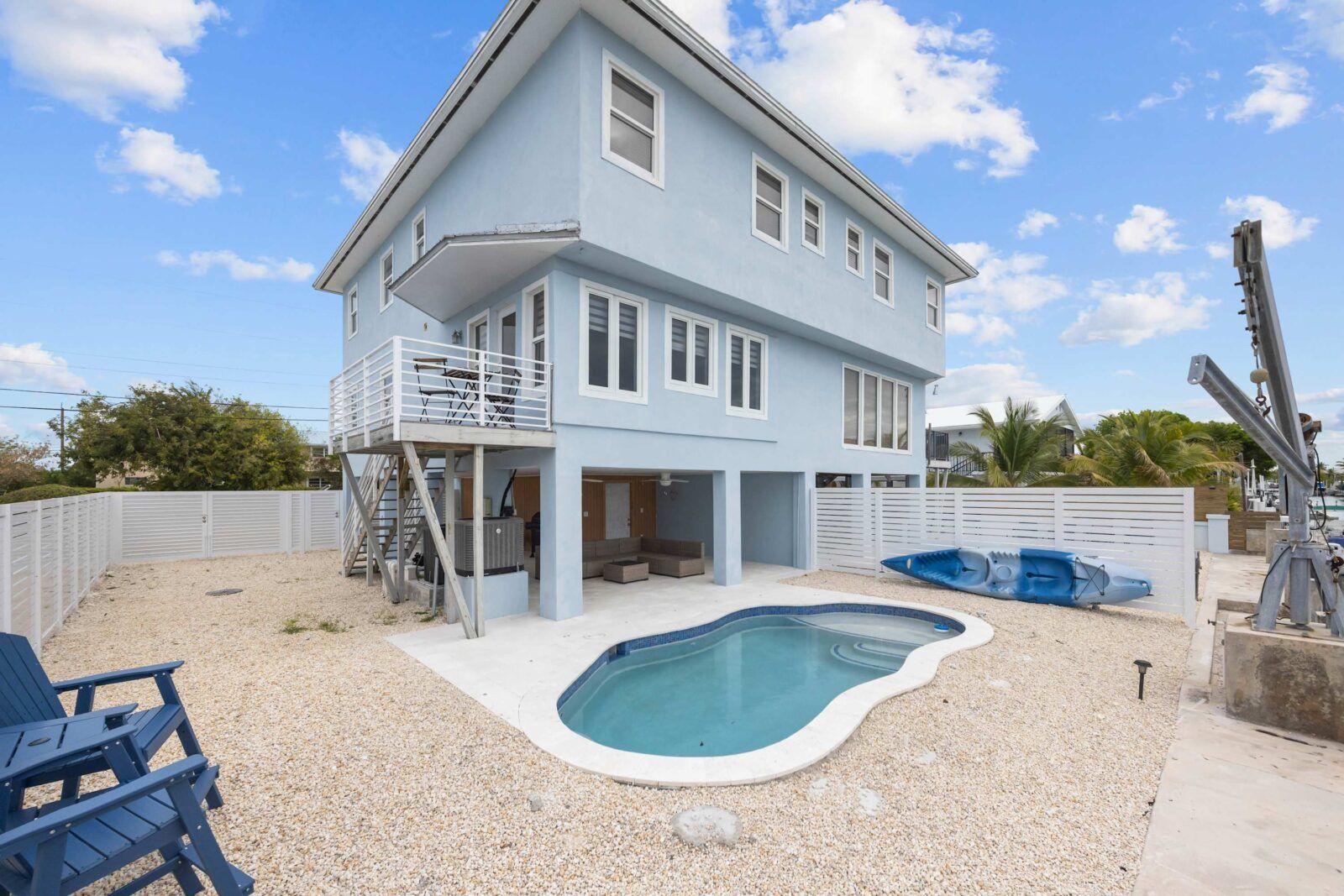
Several Villa Paraiso waterfront properties in Marathon are located within minutes of the area’s main dive charter operations. Blue Pearl features a 70-foot private dock with ocean access, a heated pool for post-dive relaxation, and space for groups. Saltwater Social has a 75-foot dock with electric hookups, a fish-cleaning station, an outdoor kitchen for cooking your catch, and a heated pool.
For larger dive groups, Deep Blue and Seabreeze Cove both include Cabana Club membership and dock access. Vista Del Mar, a three-story waterfront estate with a 50-foot dock, puts divers in a quiet oceanfront neighborhood close to Marathon’s restaurants and shops.
When you book direct with Villa Paraiso, you skip the service fees charged by third-party platforms, saving 5-15% compared to Airbnb or VRBO. Use code DIRECT15 for 15% off your first direct booking.
Pro Tips from Locals Who Host Divers Year-Round
After managing 20+ waterfront rentals in Marathon and hosting hundreds of dive-focused guests, here are a few things we’ve picked up:
Double-dip the Thunderbolt. If conditions allow, some charters will take you to the Thunderbolt twice in one morning with appropriate surface interval. The wreck is complex enough that two dives barely scratches the surface. On your first pass, explore the exterior and observation deck. On the second, focus on the engine room and swim-throughs.
Pair your wreck dives with Coffins Patch. This conglomerate of six distinct patch reefs sits in less than 30 feet of water and includes intact pillar coral heads, elkhorn forests, and large concentrations of tropical fish. It’s the perfect second dive after a deep wreck, and the variety between the six patches means repeat visits stay interesting.
Don’t skip the Adelaide Baker. Advanced divers sometimes dismiss shallow wrecks, but the Adelaide Baker is genuinely fascinating. The 1,400-foot debris field tells the story of a shipwreck and subsequent salvage operation. Bring a camera. The mix of iron framing, granite ballast, and coral-encrusted timbers in crystal-clear shallow water makes for striking underwater photography.
Check in early. Captain Hook’s and other Marathon dive operations ask you to arrive 60 minutes before departure. This isn’t a suggestion. You’ll need time for paperwork, gear check, and briefing, especially on Thunderbolt trips where the dive plan is more involved.
Fill your surface days. Between dives, Marathon has more to offer than most people realize. Free things to do in Marathon include walking the Old Seven Mile Bridge, exploring Sombrero Beach, and visiting Crane Point Nature Center. If you want something active on the water without the scuba gear, try paddleboarding in Marathon’s calm backcountry waters on a morning when the wind is light.
FAQ’s
What is the best wreck dive in Marathon, Florida?
The Thunderbolt is Marathon’s most popular wreck dive. This 188-foot former WWII mine planter sits upright and intact in 120 feet of water four miles south of Key Colony Beach. It requires Advanced Open Water certification and features swim-throughs, a large cable reel, and marine life including goliath grouper, amberjack, and migrating tarpon.
Do I need advanced certification to wreck dive in Marathon?
Not for all sites. The Adelaide Baker (20-25 ft), Flagler’s Barge, and several 1733 Spanish fleet wrecks are accessible to Open Water divers and snorkelers. The Thunderbolt and 7 Mile Bridge Reef require Advanced Open Water certification due to their depth.
How deep is the Thunderbolt wreck in Marathon FL?
The Thunderbolt sits on a sand bottom at a maximum depth of 120 feet. The observation deck is at 75 feet, the cable handling reel at 80 feet, the main deck at 85-100 feet, and the rudder and propellers at 120 feet.
When is the best time to go wreck diving in Marathon?
April through July offers the best conditions with calm seas, minimal wind, and water temperatures of 80-86°F. Visibility can reach 80-100 feet. Summer also brings migrating tarpon to the Thunderbolt. Year-round diving is possible, though hurricane season (August-November) carries weather risk.
What is the Florida Keys Shipwreck Trail?
The Florida Keys Shipwreck Trail is a series of nine historic wreck sites managed by the Florida Keys National Marine Sanctuary, stretching from Key Largo to Key West. The Thunderbolt and Adelaide Baker, both near Marathon, are two of the nine trail sites. NOAA provides free underwater guides for each wreck.
Can beginners go wreck diving in Marathon FL?
Yes. The Adelaide Baker wreck sits in 20-25 feet of clear water near Coffins Patch Reef and is suitable for novice divers and snorkelers. Flagler’s Barge and several shallow 1733 Spanish fleet sites also work for entry-level divers. Marathon dive shops offer certification courses and guided trips for all levels.
Where should I stay for a wreck diving trip in Marathon?
Waterfront vacation rentals with private docks offer the most convenient setup for dive trips. Villa Paraiso manages 20+ properties in Marathon and Key Colony Beach with dock access, gear rinse areas, and proximity to the area’s main dive charter operations at Mile Marker 53.