Sea Turtle Season Marathon FL: 2026 Guide
Share:
When Is Sea Turtle Season in Marathon, Florida?
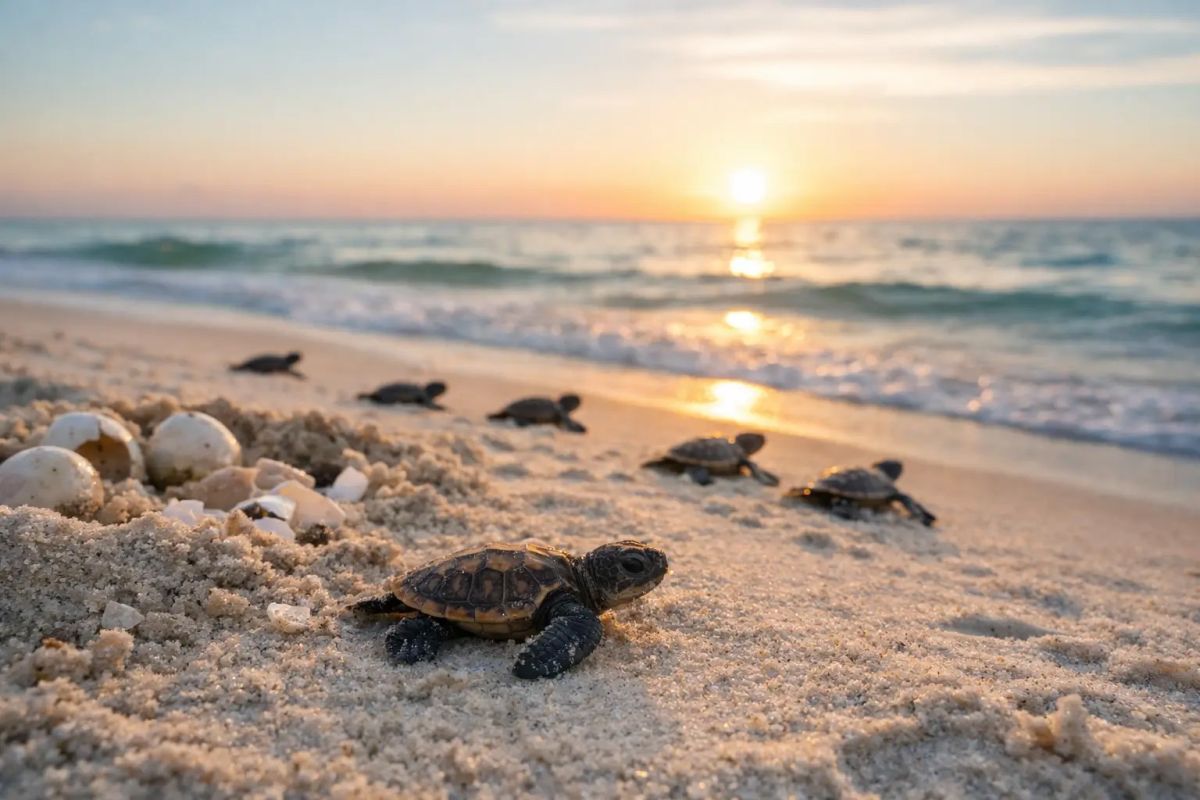
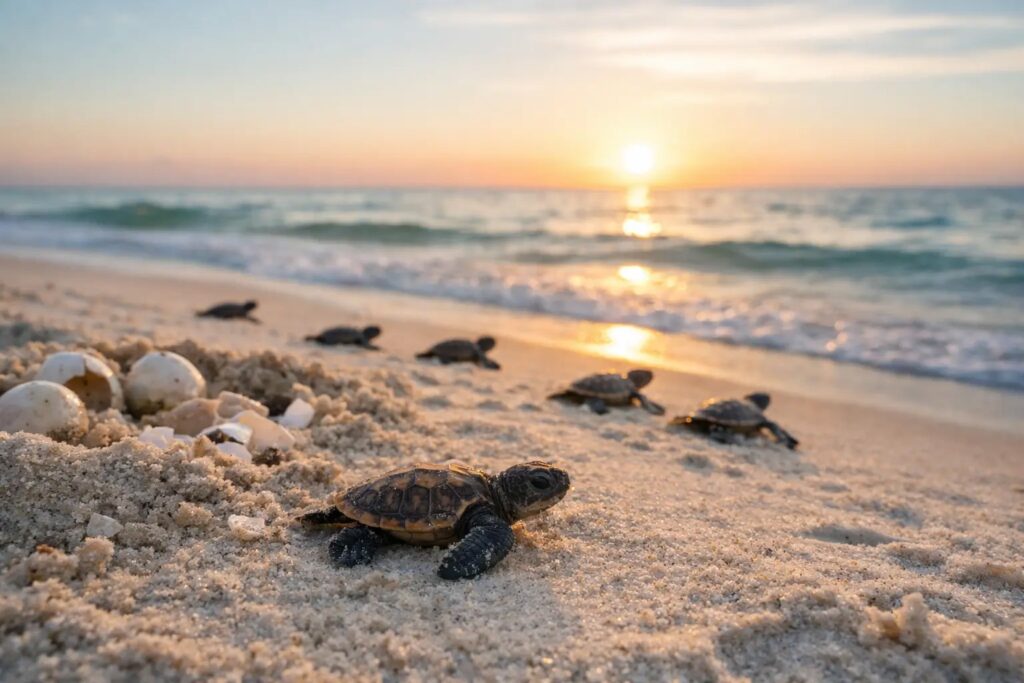
Sea Turtle Season Marathon FL. Sea turtle season in Marathon runs from roughly March through October, with the City of Marathon’s own nesting ordinance covering April 1 through October 31. During these months, loggerhead, green, and occasionally leatherback and hawksbill turtles crawl ashore at night to dig nests in the sand, and the resulting hatchlings emerge roughly two months later.
Quick Answer: Nesting peaks from May through August, and hatchlings make their way to the water from July through October.
Marathon sits in the middle of one of the most active sea turtle corridors in the continental United States. Florida sees about 90% of all sea turtle nesting activity in the country, and the Middle Keys, including Sombrero Beach, Coco Plum Beach, and the shoreline around Key Colony Beach, are part of that count every year. If you’re staying at one of our Marathon vacation rentals between spring and fall, there’s a real chance you’ll spot a nest marked off with stakes and tape before you even reach the sand.
How Nesting Actually Works
A female turtle typically returns to the same beach where she hatched decades earlier, a behavior researchers call natal homing. She hauls herself above the tide line after dark, digs a body pit and then a deeper egg chamber with her rear flippers, and lays a clutch that usually runs between 80 and 120 eggs. She covers the nest, disguises it by throwing sand behind her, and returns to the water before sunrise. A single female can nest several times in one season, typically two to five times, spaced roughly two weeks apart, before she migrates away from the Keys for a year or more.
Sand temperature inside the nest decides something you wouldn’t expect: the sex of the hatchlings. This is called temperature-dependent sex determination. Eggs that incubate below about 81.86°F tend to produce males, eggs above about 87.8°F tend to produce females, and nests that sit between the two extremes produce a mix. Warmer beach sand, which has become more common as average temperatures rise, is already shifting hatchling sex ratios toward females at some Florida nesting beaches, which is one reason researchers keep close track of clutch counts year over year.
Which Sea Turtle Species Nest in the Florida Keys?
Four species nest on Keys beaches, and loggerheads make up the large majority of local nests:
- Loggerhead (Caretta caretta): The most common nester in Monroe County by a wide margin, with a reddish-brown shell and a notably large head.
- Green turtle (Chelonia mydas): Nesting numbers have climbed steadily statewide over the past decade; greens graze on seagrass beds near the Keys year-round.
- Leatherback (Dermochelys coriacea): Rare in the Keys, the largest living sea turtle species, with a soft, ridged shell instead of a hard carapace.
- Hawksbill (Eretmochelys imbricata): The least common local nester, easily identified by its narrow, hooked beak and patterned shell.
In 2022, Monroe County recorded 457 loggerhead and 481 green turtle nests, and the Dry Tortugas and the Marquesas are the most productive nesting regions in the Keys. Every one of these species is protected under the Endangered Species Act, and disturbing a nest, adult, or hatchling carries real legal penalties.
Loggerheads and greens are the two you’re most likely to encounter around Marathon specifically. Leatherback nests show up in the Keys only occasionally, most recently around 2018, and hawksbills nest here even less often, though both species do pass through Keys waters to feed.
When Do Sea Turtle Hatchlings Reach the Water?
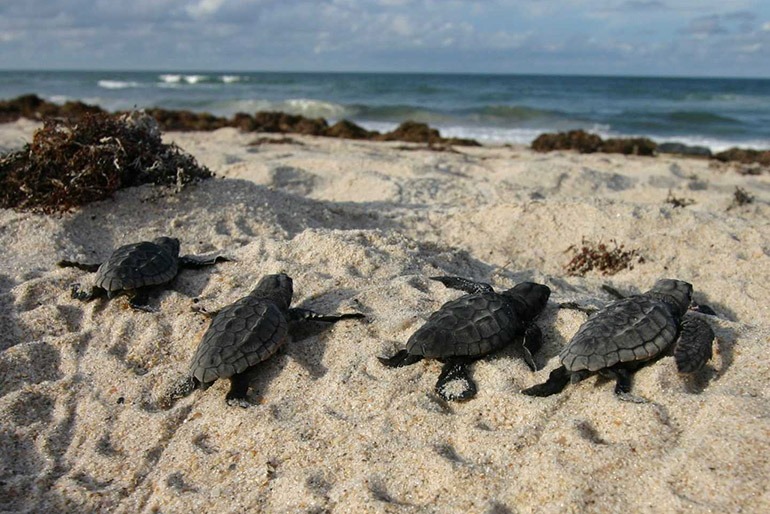
After roughly two months of incubation, an entire clutch tends to break the surface together in what’s called a turtle boil. Hatchlings dig upward as a group, wait near the surface for the sand to cool, and then scramble for the water, usually at night when temperatures drop and predators are less active. In Marathon, hatching runs from around July through October, overlapping the back half of the nesting season.
The odds are stacked against any individual hatchling. Only an estimated 1 in 1,000 sea turtle hatchlings survives to adulthood, thanks to a gauntlet of predators, boat traffic, and habitat loss between the nest and the open ocean. That’s part of why beachfront lighting rules matter so much during hatching months: a hatchling that gets pulled toward a porch light instead of the moonlit horizon has already lost precious energy it needs for the swim offshore.
If you’d rather see a turtle up close than gamble on catching a wild hatching, the Turtle Hospital periodically hosts free public releases on Sombrero Beach when a rehabilitated turtle is ready to go home. These aren’t scheduled far in advance, so check the hospital’s site or call ahead if release events are something you’d like to build a visit around.
Where Can You Watch Sea Turtles Nest Near Marathon?
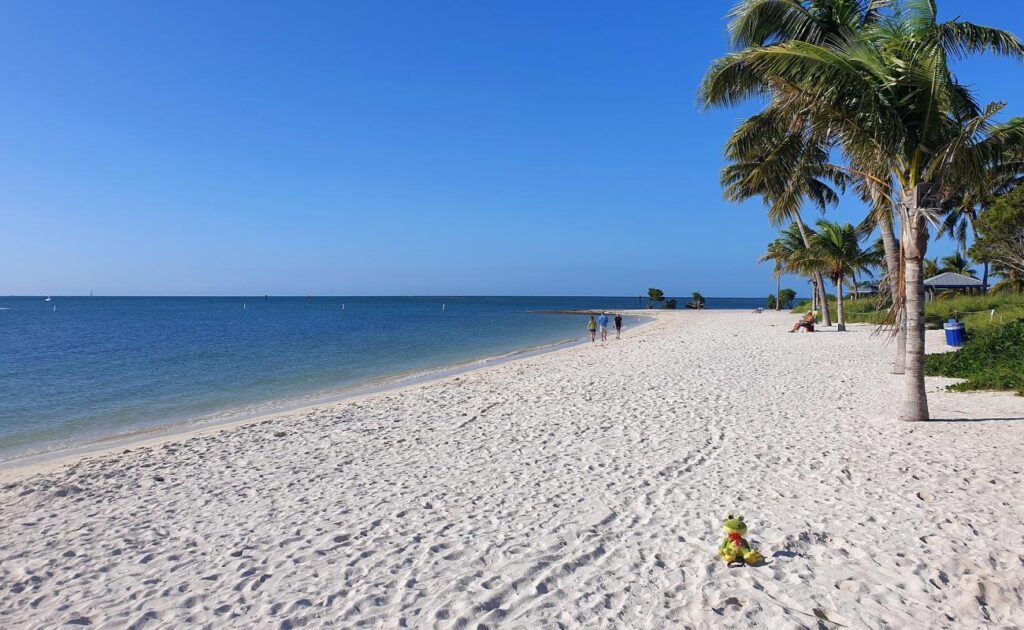
Three spots within a short drive of our Marathon and Key Colony Beach properties give guests a genuine shot at seeing nesting activity or marked nests:
- Sombrero Beach: Open from 7:00 a.m. to dusk, this is Marathon’s main public beach and an active loggerhead nesting site from April through October. The City of Marathon rotates certified volunteers who walk the sand each morning looking for new crawls, and roped-off sections mark active nests. Early morning is the best time to see tracks before the day’s foot traffic arrives.
- Coco Plum Beach: A quieter stretch east of town that hosts nests most seasons; beach furniture is cleared out overnight during nesting months so it doesn’t block a returning female or a hatchling headed for the water.
- Curry Hammock State Park: A few minutes north of Marathon, this park mixes hammock forest and shoreline and is worth combining with a beach walk if you’re already exploring the nature trails around Marathon.
None of these beaches guarantee a sighting. Nesting happens after dark and hatching is unpredictable, so the more realistic plan is to look for tracks and staked-off nests in the early morning rather than waiting on the sand at night.
How Can You Visit the Turtle Hospital in Marathon?
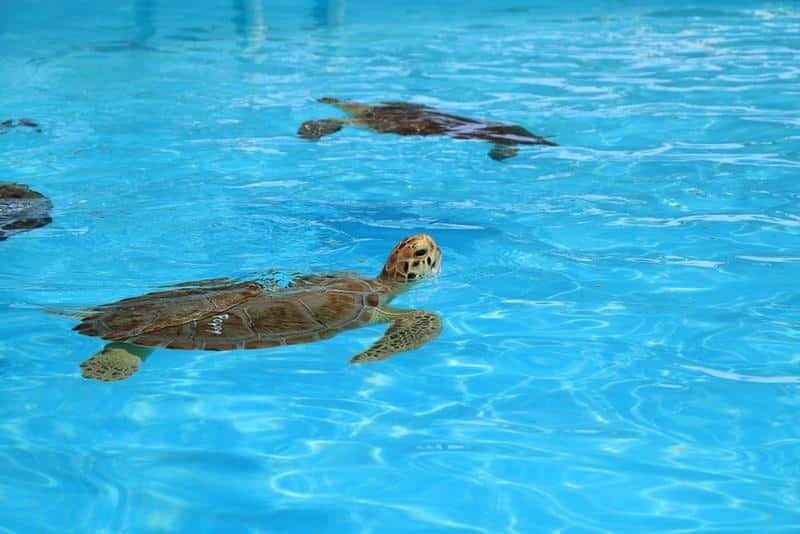
The most reliable way to see a sea turtle up close during your stay is a guided tour at the Turtle Hospital, located at 2396 Overseas Highway (mile marker 48.5). Guided 90-minute educational programs run daily starting every half hour from 9 a.m., with the last program beginning at 4 p.m., and the gift shop stays open until 6 p.m. Admission is $38 for adults and $19 for children ages 4 to 12, with children under 4 admitted free, and reservations are booked directly through the hospital’s own website rather than third-party travel sites.
The tour walks guests through the hospital’s receiving and operating areas, covers the most common injuries staff see (boat strikes, fishing line entanglement, and fibropapilloma tumors), and ends with a chance to watch the resident turtles feed. It’s a solid rainy-day option if you’re staying at one of our properties and the weather doesn’t cooperate for the beach.
What Are the Rules for Sea Turtle Season in the Florida Keys?
If you’re renting a waterfront home during nesting season, a few simple habits protect both the turtles and your security deposit:
- Turn off or shield outdoor lights facing the beach or canal after dark. Disoriented hatchlings follow light, and the wrong porch light can send them the wrong direction.
- Skip flash photography near any turtle on the beach, nesting or not.
- Bring in beach chairs, kayaks, and other gear overnight so a returning female or a hatchling can’t get tangled or blocked.
- Fill in any holes you dig in the sand before you leave the beach.
- Keep well back from tracks or staked nests and never touch a nest or a turtle.
- Leash pets on the beach and keep them away from marked nesting areas.
Several of our own waterfront listings sit inside this same coastal lighting zone, so if you’re staying with us during nesting months, our check-in guide will flag any dock or exterior lighting adjustments worth making for the season.
What’s the Best Time to Visit for Sea Turtle Season?
It depends on whether you want to see nesting activity, a hatching event, or just avoid disrupting either one:
| Month | What’s Happening | Best For |
| March | Season opens, early nests begin | Fewer crowds, mild weather |
| April–May | Nesting activity ramps up | Early morning track-spotting |
| June–August | Peak nesting season | Highest chance of fresh nests |
| July–September | Peak hatching season | Turtle Hospital tours, possible releases |
| October | Season winds down | Last hatchlings, quieter beaches |
| November–February | Off-season | No nesting activity expected |
May through August offers the best odds of seeing marked nests on an early beach walk, while July through September is when hatching is most active. If your trip falls outside March through October entirely, the Turtle Hospital is open and running tours year-round, so you won’t miss the chance to see a turtle.
What Should You Do If You Find a Sea Turtle Nest or an Injured Turtle?
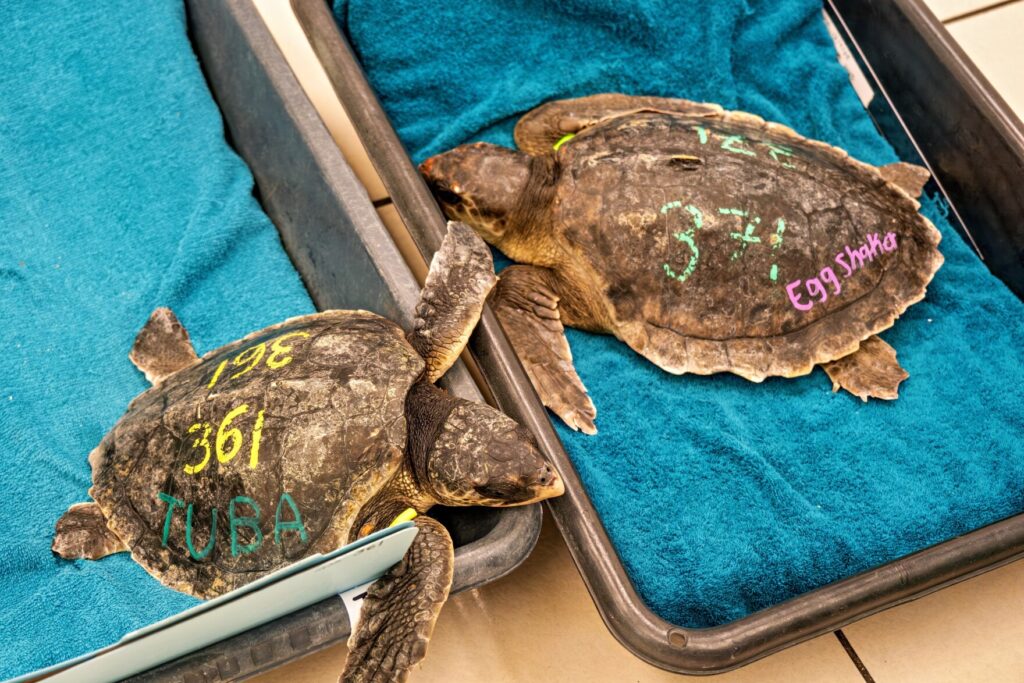
If you find a sick, injured, or dead sea turtle, call the FWC’s 24-hour Wildlife Alert Number at 1-888-404-FWCC (1-888-404-3922). The same number covers anyone tampering with a nest or harassing a turtle. Cell phone users can also dial *FWC.
For nest-specific questions in the Keys, Save-A-Turtle of the Florida Keys, a volunteer nonprofit that trains and permits local nest monitors, is the group the City of Marathon and Islamorada both point residents toward. Don’t move a nest, don’t dig near it, and don’t relocate hatchlings yourself, even with good intentions; state-permitted volunteers handle that under FWC authorization.
Sea Turtle Nesting Season at a Glance
| Species | Local Nesting Frequency | Typical Clutch Size | Conservation Status |
| Loggerhead | Most common nester in the Keys | 100-125 eggs | Threatened |
| Green Turtle | Increasingly common | 100-115 eggs | Threatened |
| Leatherback | Rare, occasional nests | 60-90 eggs | Endangered |
| Hawksbill | Least common local nester | 130-160 eggs | Critically Endangered |
Best Villa Paraiso Properties for Sea Turtle Season
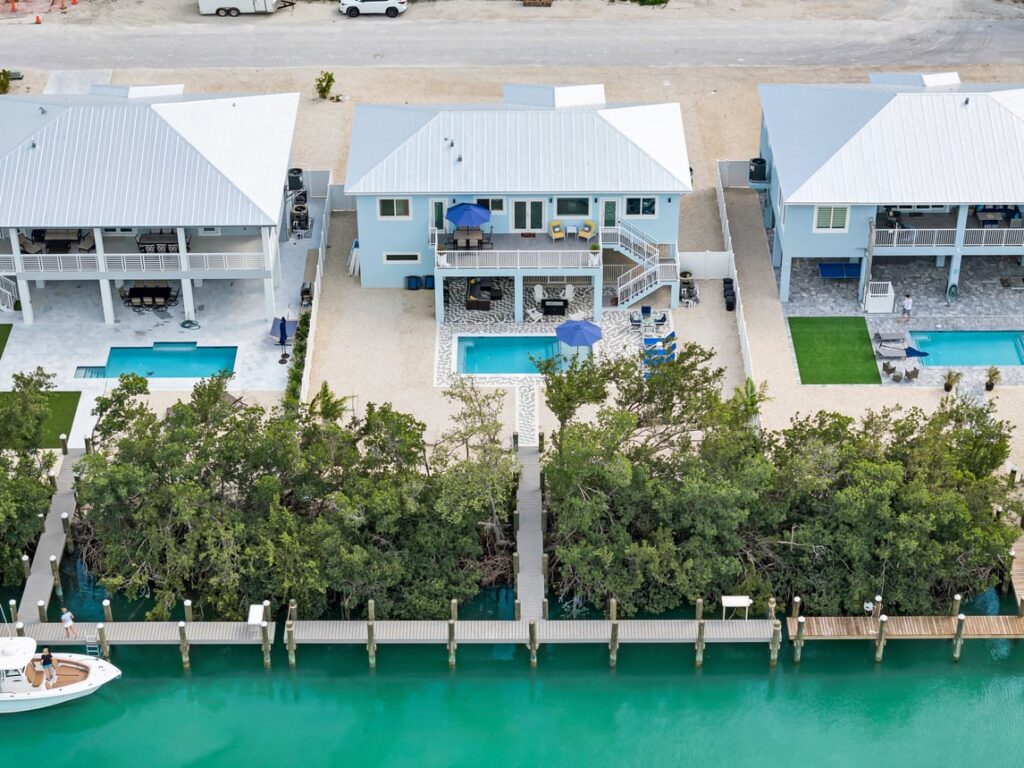
If watching turtle season is part of your trip, staying within walking or biking distance of Sombrero Beach and the Turtle Hospital makes the whole thing a lot easier. A few of our waterfront homes sit right in that corridor:
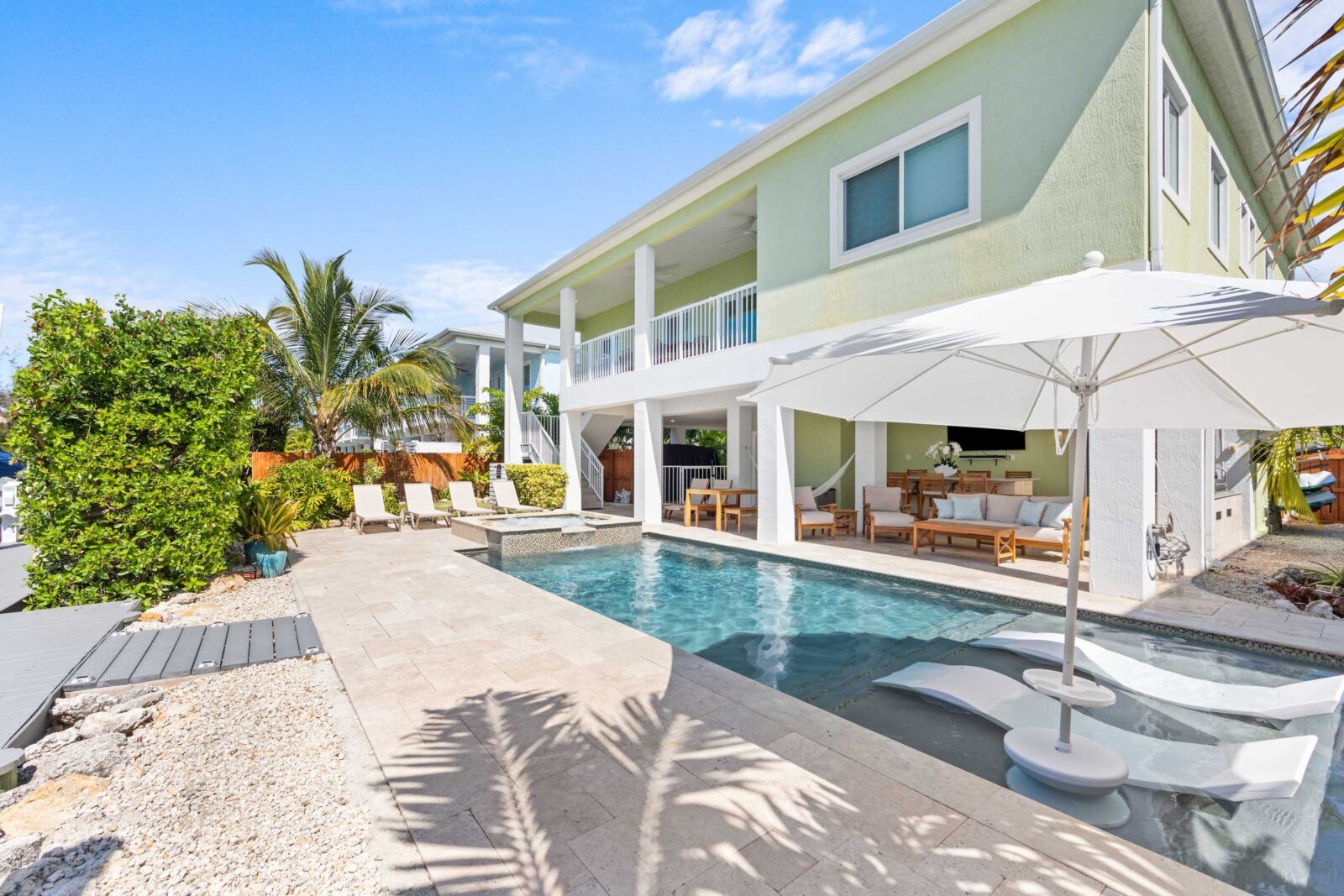
- Seabreeze Cove in Key Colony Beach lists both Sombrero Beach and the Turtle Hospital as neighborhood attractions and includes a private 38-foot dock where guests regularly spot manatees.
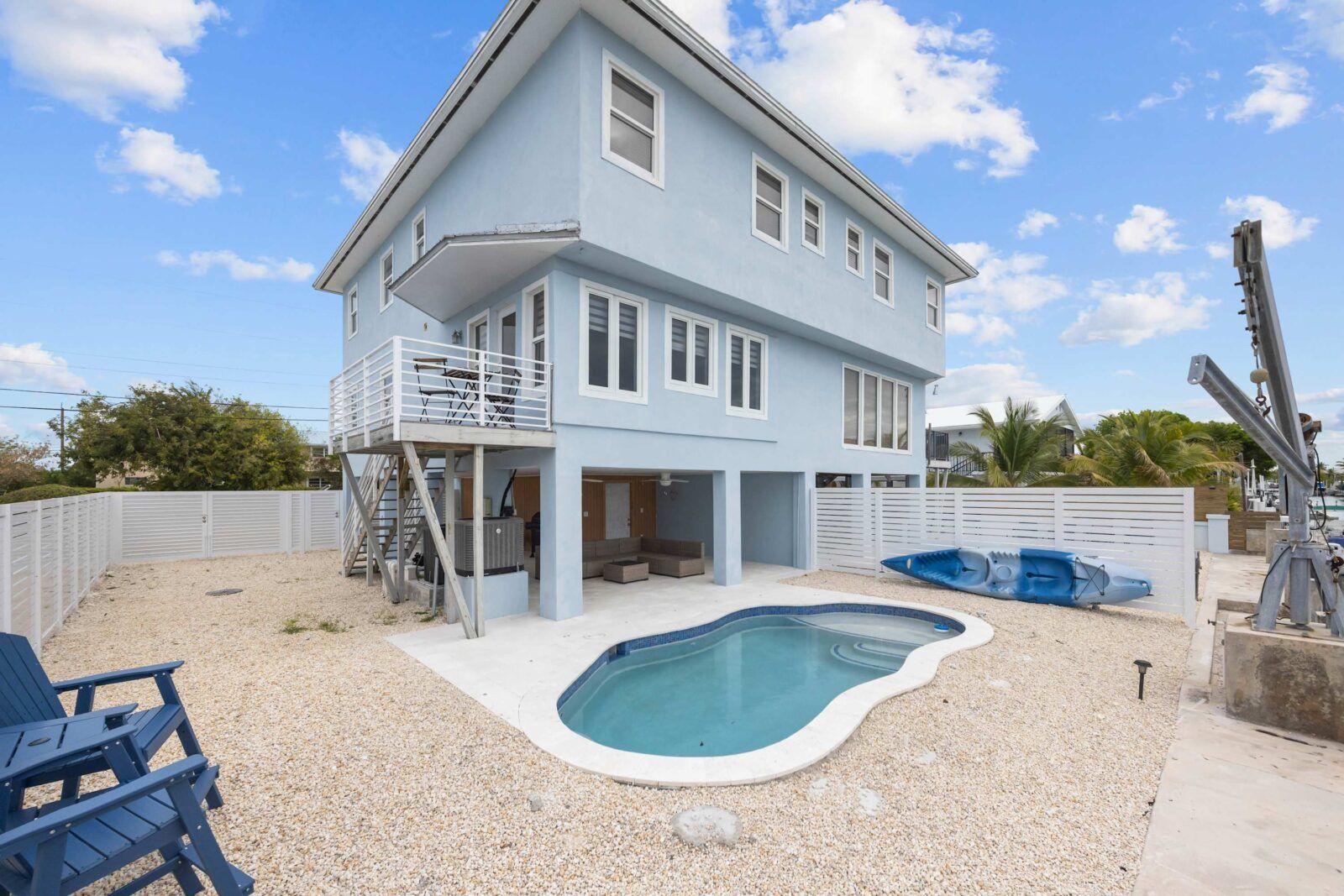
- Deep Blue, also in Key Colony Beach, puts you minutes from Sombrero Beach with canal access for your own boat.
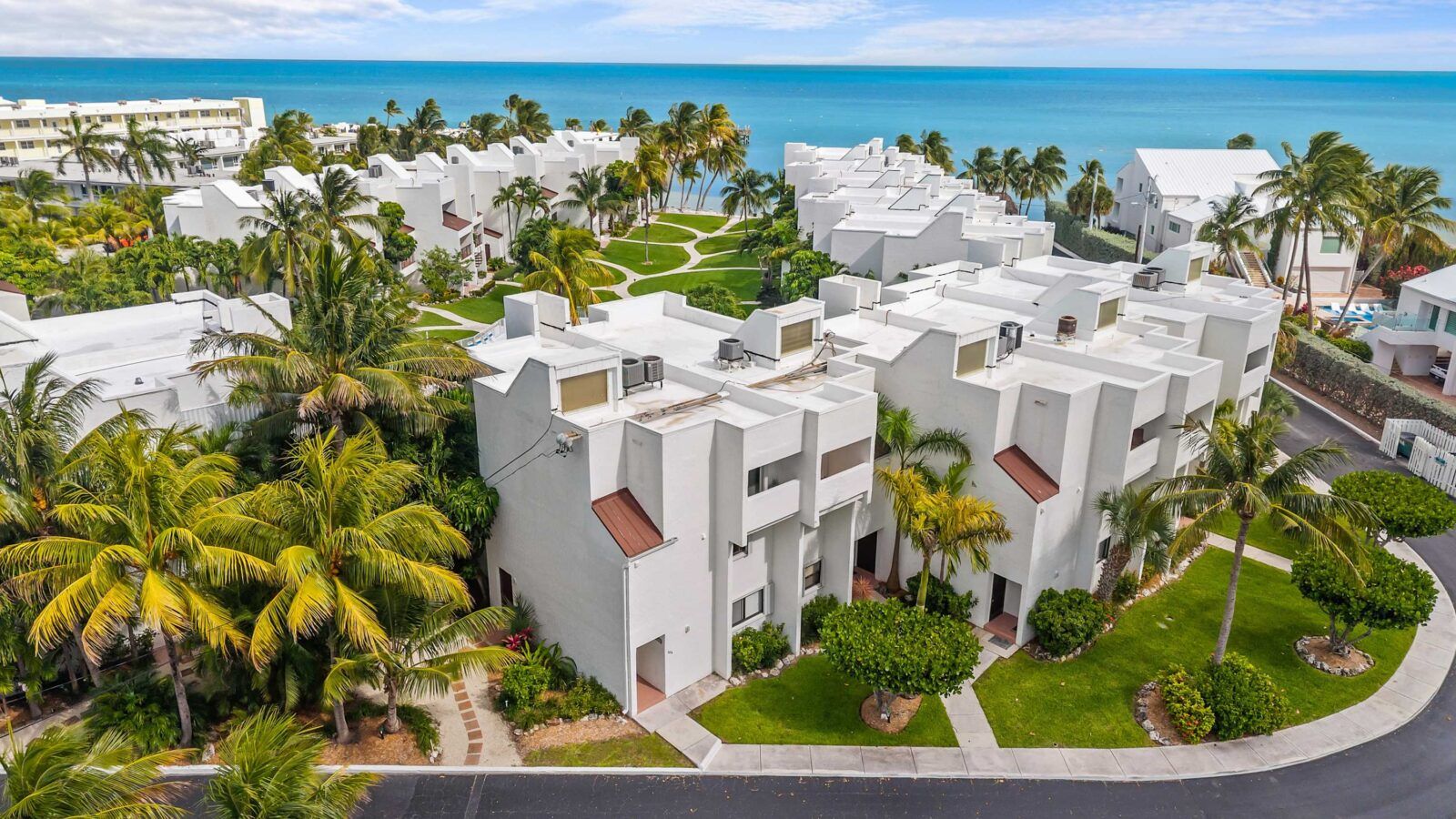
- Vista Del Mar sits in a quiet oceanfront neighborhood in Marathon with easy access to local beaches and shops.
- Luna Light offers waterfront views and dock access on the Marathon side, close to Overseas Highway attractions including the Turtle Hospital.
- Blue Pearl rounds out the group with a 70-foot dock and a short drive to Sombrero Beach.
Book any of these directly through paraisovacationrentals.com and use code DIRECT15 for 15% off as a new guest, or DIRECT5 if you’re coming back to the Keys with us again.
Plan the Rest of Your Trip
Turtle season overlaps with most of what makes Marathon worth a longer visit. Manatees and other marine life show up in the same canals and flats where guests spot nesting turtles, and a morning at Sombrero Beach pairs naturally with an afternoon of dolphin watching or a stop at one of the hidden beaches around Marathon. If the water’s calm, some of the best snorkeling spots in Marathon sit close enough to squeeze into the same day. For a broader itinerary beyond wildlife, our full guide to things to do in Marathon FL covers restaurants, water sports, and sunset spots worth building the rest of your week around.
Frequently Asked Questions
When is sea turtle nesting season in Marathon, FL?
Nesting season runs roughly March through October, with the City of Marathon’s local ordinance covering April 1 through October 31. Peak nesting falls between May and August.
What time of day do sea turtles nest?
Nesting happens after dark, typically between dusk and dawn, which is one reason Sombrero Beach closes at dusk during the season.
Can I watch a sea turtle nest in person?
Public nest-watching isn’t organized in Marathon the way it is at some other Florida beaches. Your best odds are an early morning walk on Sombrero Beach looking for fresh tracks, or a guided tour at the Turtle Hospital to see turtles up close.
How much does the Turtle Hospital cost?
Admission is $38 for adults and $19 for children ages 4 to 12; children under 4 are free. Reservations through the hospital’s own website are recommended.
What should I do if I see sea turtle tracks on the beach?
Don’t disturb them. Tracks and any staked-off area mark an active or possible nest. Report anything that looks disturbed or harmed to FWC’s Wildlife Alert line at 1-888-404-FWCC.
Are sea turtles endangered?
Yes. All four species that nest in the Keys, loggerhead, green, leatherback, and hawksbill, are listed as threatened or endangered under the U.S. Endangered Species Act.
Do sea turtles nest at Key Colony Beach too, or just Sombrero Beach?
Nesting can occur on any suitable sandy beach in the Middle Keys, including sections near Key Colony Beach, though Sombrero Beach and Coco Plum Beach see the most documented activity in Marathon proper.
Will beachfront lighting at my vacation rental affect nesting turtles?
It can. Bright, unshielded lights facing the beach or a canal can disorient nesting females and hatchlings. Waterfront rentals in nesting zones, including several VPVR properties, are expected to follow local lighting guidance during the season.
What determines whether a hatchling is male or female?
Sand temperature inside the nest, not genetics. Cooler sand tends to produce males, warmer sand tends to produce females, and nests in between produce a mix of both.
Is the Turtle Hospital open outside of nesting season?
Yes. Tours run year-round, so a visit in December or January still gets you face-to-face with the hospital’s resident and recovering turtles even though nesting itself is dormant.