Vacation Rental Insurance 101 for Marathon, FL Owners (2026 Guide)
Share:
Vacation Rental Insurance 101: What Every Marathon, FL Property Owner Needs to Know
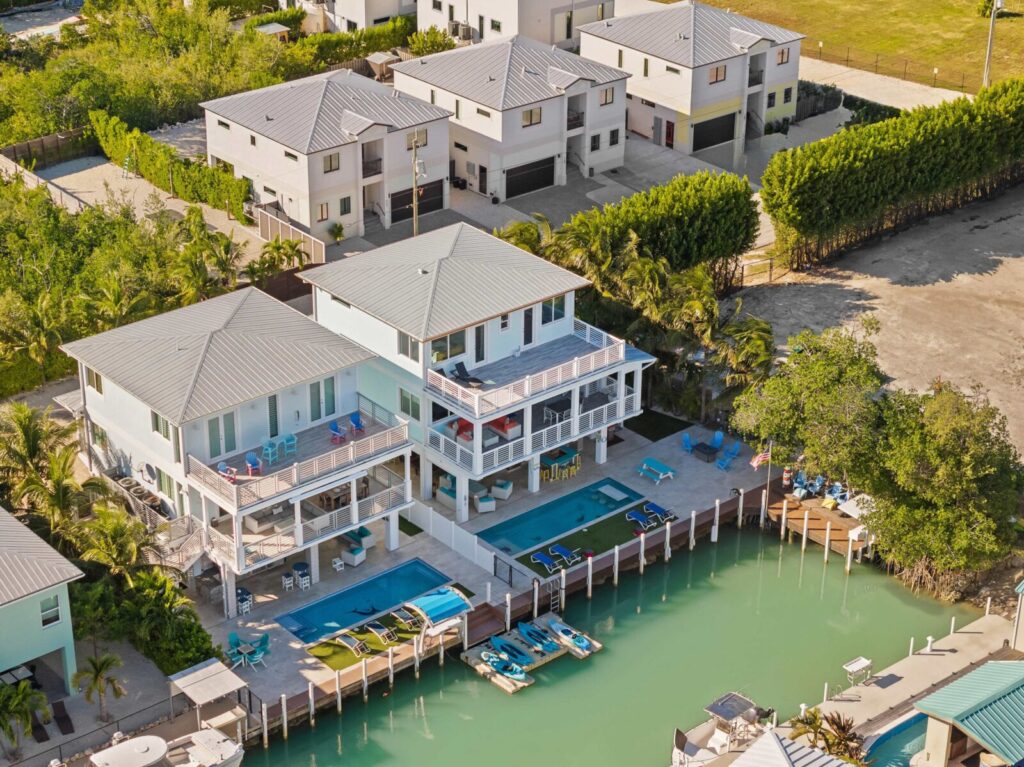
If you own a short-term rental in Marathon or anywhere in the Florida Keys, standard homeowners insurance is not enough. Most personal policies contain a “business activity exclusion” that voids coverage the moment a paying guest steps through your door. That means a guest injury, a flooded living room after a tropical storm, or a dock accident could cost you tens, or hundreds, of thousands of dollars out of pocket. This guide breaks down every layer of protection a Marathon vacation rental owner needs, from liability and wind to flood and lost income coverage.
Quick Answer: Marathon vacation rental owners need at least four minimum coverage types: short-term rental (STR) liability, windstorm, flood, and property damage. Standard homeowners policies do not cover paying guests and will likely deny claims related to rental activity.
Does My Homeowners Insurance Cover My Vacation Rental Guests?
Almost certainly not. Most standard homeowners policies explicitly exclude commercial use , and renting your property to paying guests qualifies as a commercial activity under most policy definitions. If a guest is injured at your Marathon property and you’re relying on your personal homeowners policy, your insurer may deny the claim entirely and potentially void your coverage going forward if they discover ongoing rental activity.
This is not a technicality. It’s one of the most common and costly mistakes vacation rental owners make. The fix is straightforward: replace or supplement your homeowners policy with dedicated short-term rental insurance that covers both property damage and liability during guest stays.
Key resource: Secured Insurance Group’s Guide to STR Insurance in Florida covers the exact gap between homeowners and STR policies.
What Types of Insurance Does a Marathon Vacation Rental Owner Need?
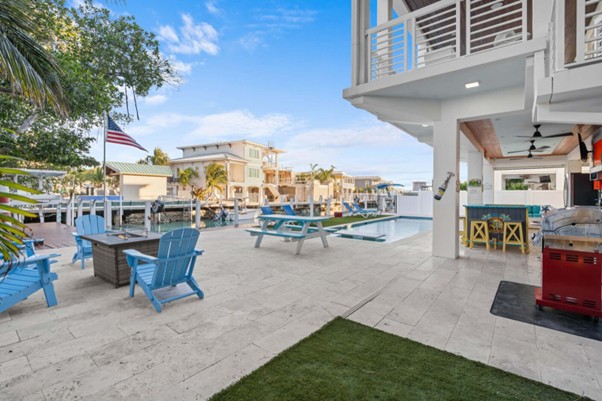
Vacation rental insurance 101. Here are the core coverage types every STR owner in the Florida Keys should carry:
- Short-Term Rental (STR) / Vacation Rental Insurance: This replaces or augments your homeowners policy and specifically covers rental activity. It includes both property damage protection and commercial liability coverage during guest stays. If you don’t live in the property you’re renting, a landlord policy with an STR rider is often the right structure.
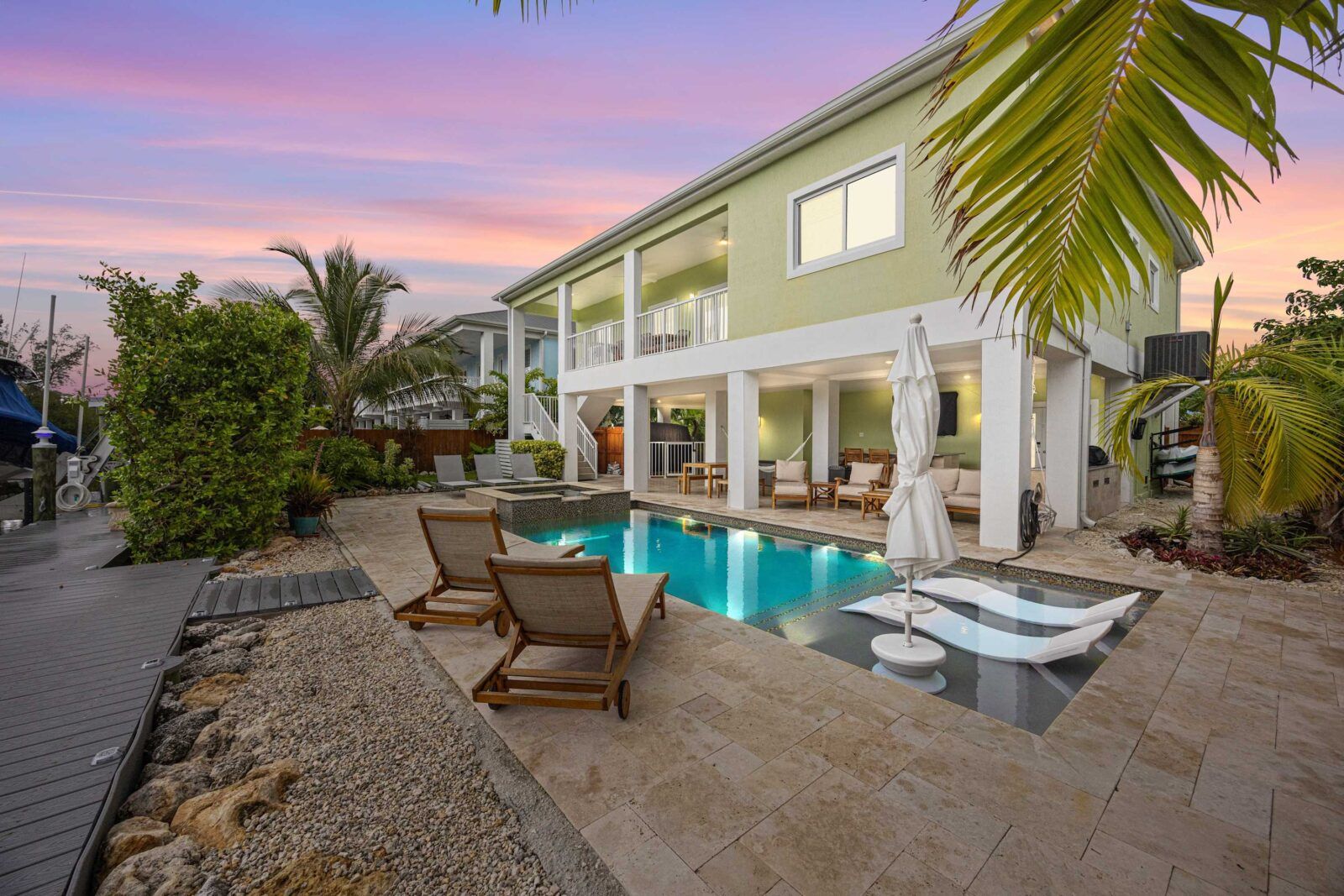
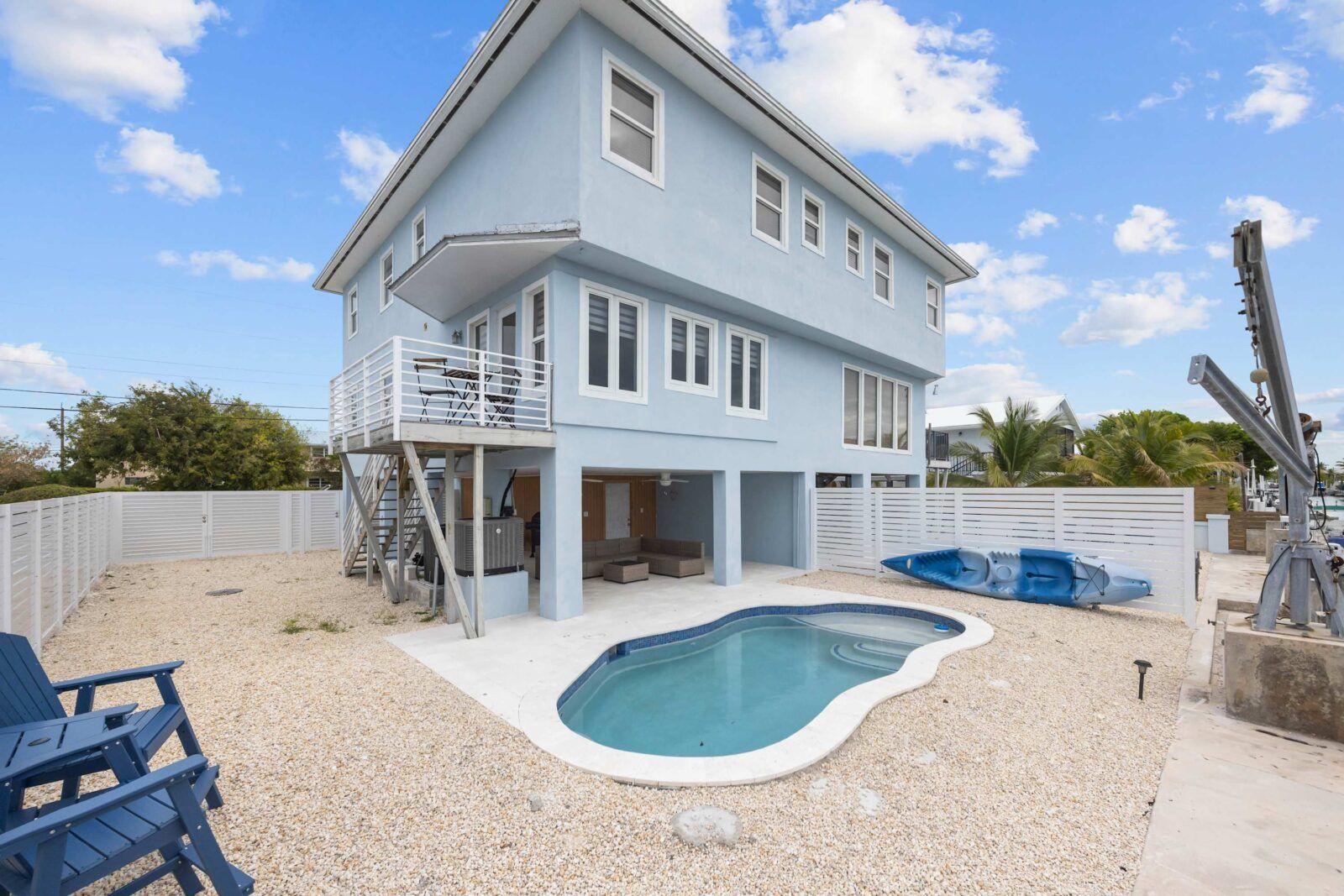
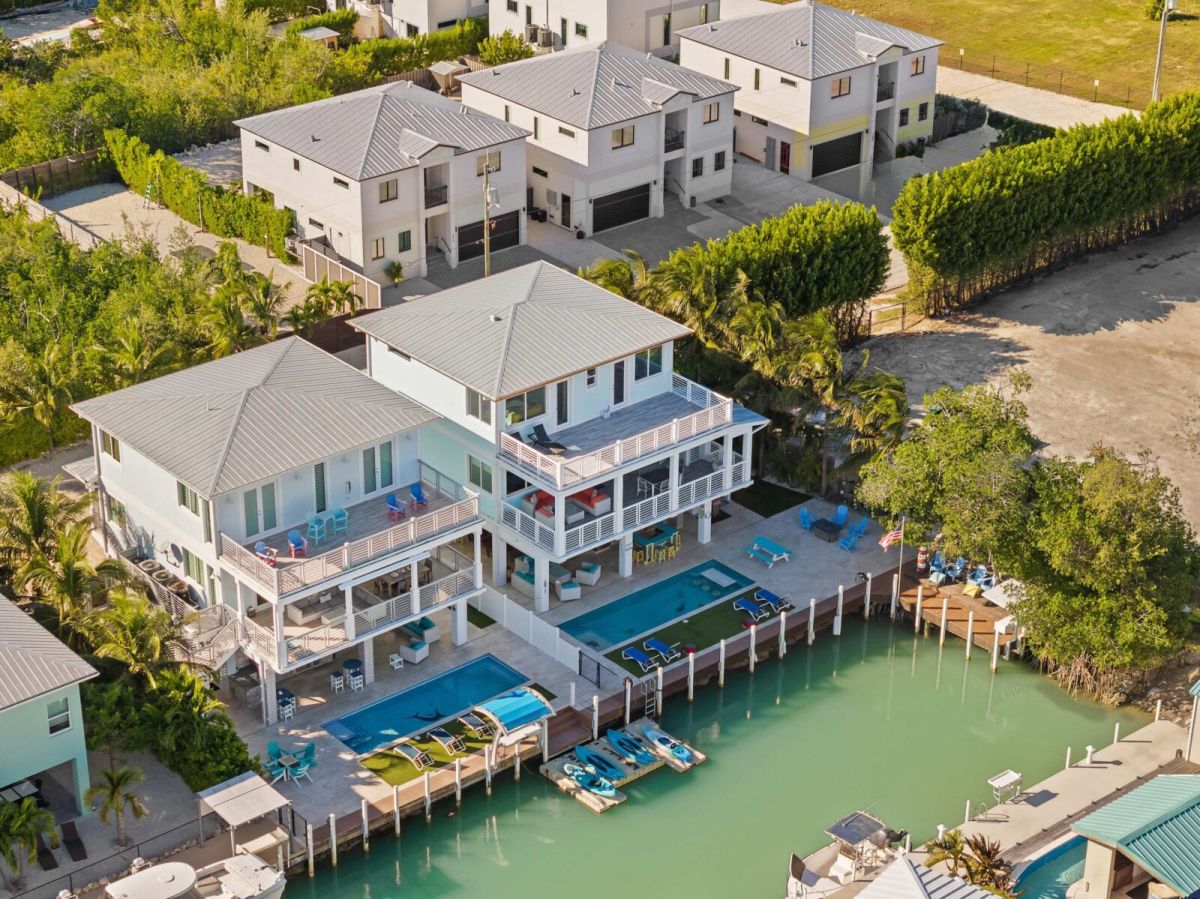
- Commercial Liability Coverage: Your policy should include $1 million to $2 million in commercial liability coverage. This protects against guest injury claims, slip-and-fall lawsuits, and property damage caused by guests. Waterfront properties in Marathon carry elevated liability exposure , docks, pools, kayaks, and open water access all increase your risk profile.
- Windstorm Insurance: Monroe County is in a high-risk wind zone. Wind insurance is separate from standard homeowners coverage and is typically obtained through Citizens Property Insurance Corporation, Florida’s state-run insurer of last resort. For a typical single-family home in the Keys, wind premiums average $4,000–$7,000 annually. Properties valued above $1 million require private windstorm coverage. As of 2023, wind insurance in Monroe County now requires that flood insurance also be in place.
- Flood Insurance: Every structure in Monroe County sits in a FEMA-designated flood zone , there are no exceptions. Monroe County participates in the National Flood Insurance Program (NFIP), making federally backed coverage available to property owners. However, private flood options often provide broader limits and faster claims. Note that there is typically a 30-day waiting period before NFIP coverage activates , do not wait until a storm is named.
- Business Interruption / Lost Income Coverage: If your Marathon rental is uninhabitable after a hurricane, flood, or major repair, this coverage reimburses lost rental income during the downtime. For a property generating $8,000–$15,000 per month in peak season, even a 60-day closure without income coverage is a serious financial hit.
- Contents / Personal Property Coverage: Furniture, appliances, linens, kayaks, and anything in your rental unit can be damaged or stolen by guests or weather. Make sure your policy explicitly covers business personal property in a rental context.
- Specialized Add-On Coverage: For Marathon properties with pools, docks, or recreational equipment, ask your agent about riders that extend liability to amenities. Policies specific to vacation rentals often include coverage for bed bug infestations, squatter situations, and damage caused by short-stay guests , none of which are covered under standard landlord policies.
What Are Florida’s Legal Insurance Requirements for Vacation Rentals?
Vacation rental insurance 101. Florida does not mandate a single specific insurance policy for all short-term rentals statewide, but there are several practical requirements owners must understand:
- DBPR Licensing: All vacation rentals rented more than three times per year or for periods under 30 days must be licensed through the Florida Department of Business and Professional Regulation (DBPR). Some DBPR licenses require proof of insurance as part of the application or renewal process.
- Platform Requirements: Airbnb’s AirCover and VRBO’s host protection each provide up to $1 million in liability coverage, but these are supplemental , not replacements for your own policy. Both come with exclusions and limitations that leave gaps in coverage.
- Local Ordinances: Monroe County and individual municipalities may impose their own insurance minimums. Some Florida jurisdictions now require hosts to carry certificates of insurance showing a minimum of $1 million in liability coverage to obtain or renew a local vacation rental permit. Verify current requirements with Monroe County Code Compliance directly.
Key resource: Avantio’s 2026 Florida Vacation Rental Laws Guide keeps pace with the state’s evolving DBPR framework.
How Does Flood Insurance Work in the Florida Keys?
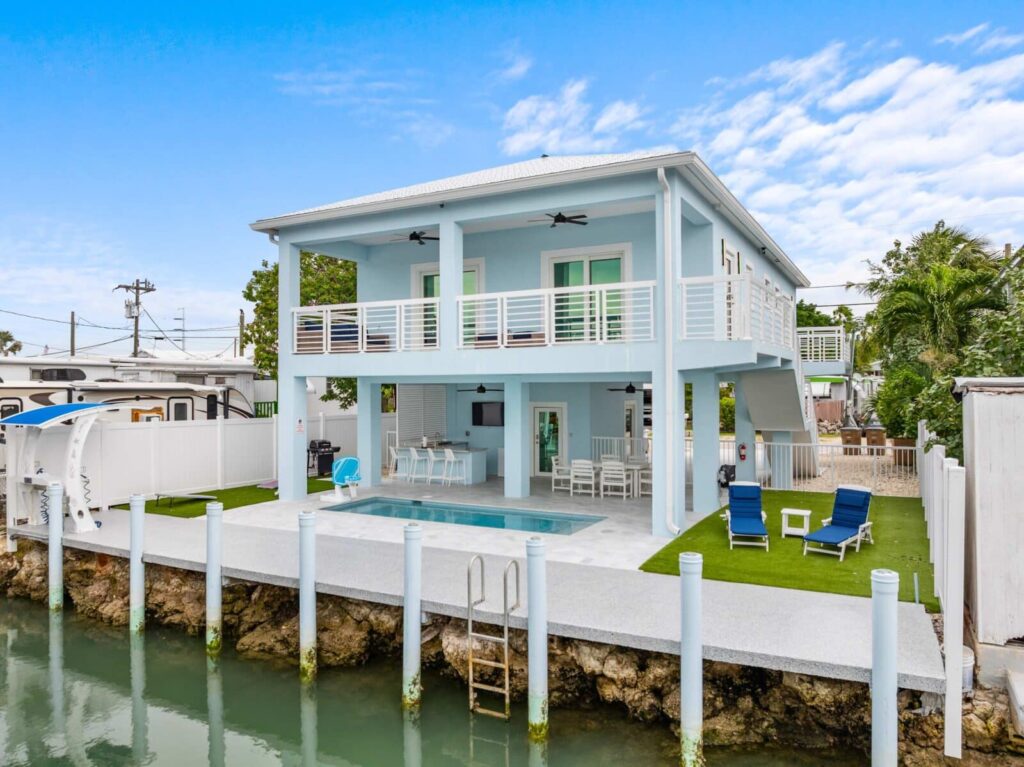
Vacation rental insurance 101. The Florida Keys sit in one of the highest flood-risk regions in the country. All of Monroe County is located in a FEMA-designated floodplain, with base flood elevations ranging from 6 to 17 feet above mean sea level. For vacation rental owners, here’s what matters most:
FEMA Risk Rating 2.0: Since 2022, flood insurance premiums are calculated using FEMA’s Risk Rating 2.0 system , which prices policies based on the individual building’s characteristics (distance from water, construction type, elevation relative to base flood, prior flood history) rather than the flood zone designation. This is the biggest change to flood insurance pricing since the NFIP was created in 1968. Fair Insurance Rates in Monroe (FIRM) estimates that more than 90% of Monroe County homeowners saw rate increases under Risk Rating 2.0.
Flood Zone Designations in Monroe County:
| Flood Zone | Risk Level | Typical Annual Premium Range |
| VE | Highest (direct coastal) | $5,000–$23,000+ |
| AE | High (most common in Keys) | $3,000–$10,000 |
| X | Lower (still in floodplain) | $600–$3,500 |
Elevation Certificates: An elevation certificate (EC) documents the lowest floor elevation of your structure relative to the FEMA flood zone. Properties with higher elevation relative to the zone receive lower premiums. If you don’t have an elevation certificate, a licensed local surveyor can produce one , and it often pays for itself in annual premium savings.
Assuming the Seller’s Policy: Under Risk Rating 2.0, the most cost-effective path for new buyers is often to assume the seller’s existing NFIP flood policy rather than obtaining a new one. New policies are subject to full Risk Rating 2.0 pricing, which can be significantly higher than grandfathered legacy rates.
Key resource: Monroe County’s official flood insurance information page links directly to NFIP resources and local floodplain management guidance.
How Does Windstorm Insurance Work for Marathon Rentals?
Vacation rental insurance 101. Wind insurance is mandatory for any Marathon property carrying a mortgage, and it’s a practical necessity regardless of financing status given the Keys’ hurricane exposure.
Monroe County is served primarily by Citizens Property Insurance Corporation for windstorm coverage. Citizens remain available in Monroe County because of the area’s building codes; the Florida Keys has some of the strongest residential building codes in the country. However, properties with a replacement value exceeding $1 million require private market coverage.
Factors that affect wind premiums:
- Roof type: Metal roofs receive significant discounts. Asphalt shingles are penalized.
- Opening protection: Impact-rated windows, doors, and Class A hurricane shutters qualify for wind mitigation credits that reduce your annual premium.
- Wind mitigation inspection: A licensed inspector can formally document your property’s wind-resistant features and submit the results to your insurer. This inspection often results in substantial annual savings and is worth doing on any property you’re insuring for the long term.
- Deductible structure: Most wind policies have a percentage-based deductible (often 2%–10% of the insured value) rather than a flat dollar amount. On a $1.2 million property, a 5% hurricane deductible means you’re responsible for the first $60,000 of wind damage.
Key resource: FIRM (Fair Insurance Rates in Monroe) is a nonprofit that has advocated for Monroe County property owners since 2006 and saves county owners millions annually. They publish updated rate information, windstorm news, and insurer evaluations regularly.
Does Airbnb or VRBO Insurance Cover Everything?
No. Platform-provided coverage is supplemental , and has meaningful limitations.
| Coverage Type | Airbnb AirCover | VRBO Host Protection | Your Own STR Policy |
| Liability Limit | $1 million | $1 million | $1–$2 million (your choice) |
| Property Damage | Up to $3 million | Limited | Policy-defined |
| Flood Damage | Not covered | Not covered | Separate flood policy required |
| Wind Damage | Not covered | Not covered | Separate wind policy required |
| Lost Income | Not covered | Not covered | Business interruption rider |
| Dock/Amenity Liability | Likely excluded | Likely excluded | Rider available |
| Claims Control | Platform decides | Platform decides | You control |
Platform coverage is useful as a secondary layer. It should never be treated as your primary protection. If a platform changes its policies, disputes your claim, or determines the incident falls outside their definitions, you have no recourse without your own policy in place.
How Much Does Vacation Rental Insurance Cost in the Florida Keys?
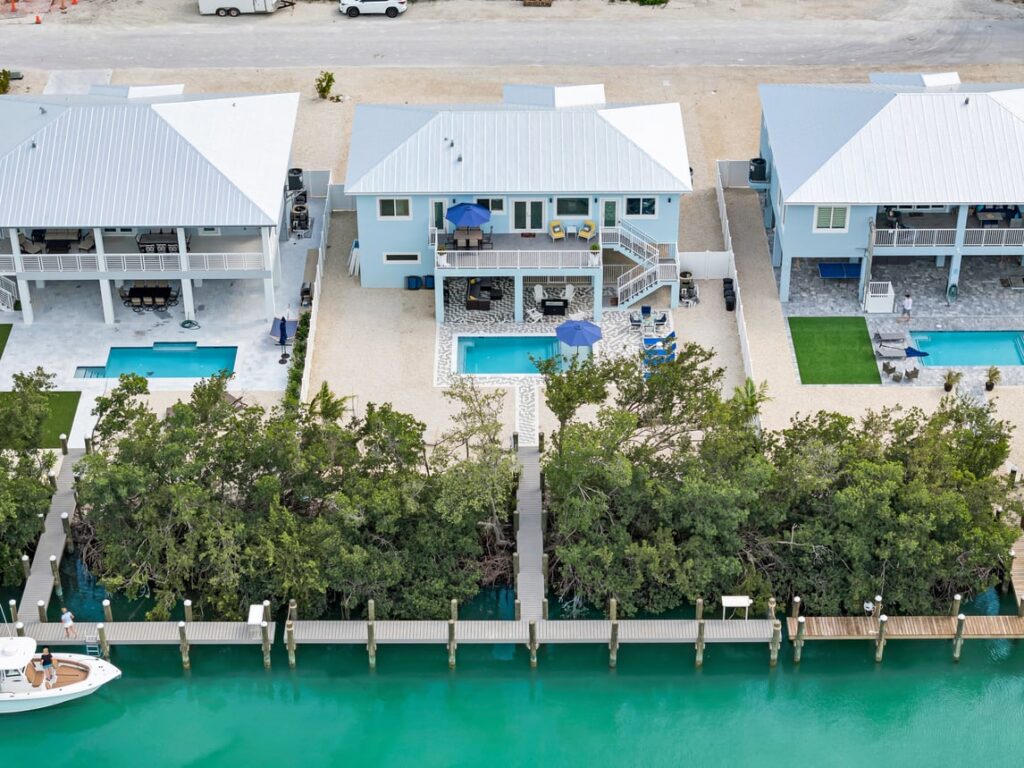
Annual insurance costs for a Marathon vacation rental property vary significantly depending on structure, location, and coverage levels. Here’s a realistic cost framework for a typical waterfront single-family rental:
| Coverage Type | Typical Annual Cost |
| Windstorm (Citizens) | $4,000–$7,000 |
| Flood (NFIP or Private) | $3,000–$10,000 |
| STR / Liability Policy | $1,500–$4,000 |
| Contents Coverage | $500–$1,500 |
| Total Range | $9,000–$22,500+ |
These are estimates. Premium variation is wide in the Keys; two nearly identical homes on the same street can carry wildly different flood premiums based on elevation, construction date, and distance from the water channel. Always get quotes from at least three licensed agents who specialize in Monroe County vacation rental properties.
What Should I Do Right Now to Protect My Marathon Rental?
Vacation rental insurance 101. Here are the immediate steps every vacation rental owner in Marathon should take:
- Pull your current policy declarations page and look for a “business activity exclusion” or “commercial use exclusion.” If it’s there , and it likely is , your rental guests are not covered.
- Request an elevation certificate if you don’t have one. A local Keys surveyor can produce this quickly and it will be required for any flood insurance quote.
- Get a wind mitigation inspection if your property hasn’t had one. This single step can reduce your wind premium by hundreds of dollars annually.
- Contact a licensed Florida agent who specializes in short-term rental insurance in coastal counties. Generalist agents often miss coverage gaps that are specific to vacation rentals.
- Check your DBPR license status at myfloridalicense.com to confirm your insurance is consistent with your licensing requirements.
- Review platform coverage details for any property listed on Airbnb or VRBO so you know exactly what their policies do and do not cover.
- Do not wait until hurricane season to obtain flood or wind coverage. The NFIP’s 30-day waiting period means coverage purchased after a storm is named will not protect you from that event.
Working With a Professional Property Manager Reduces Your Risk
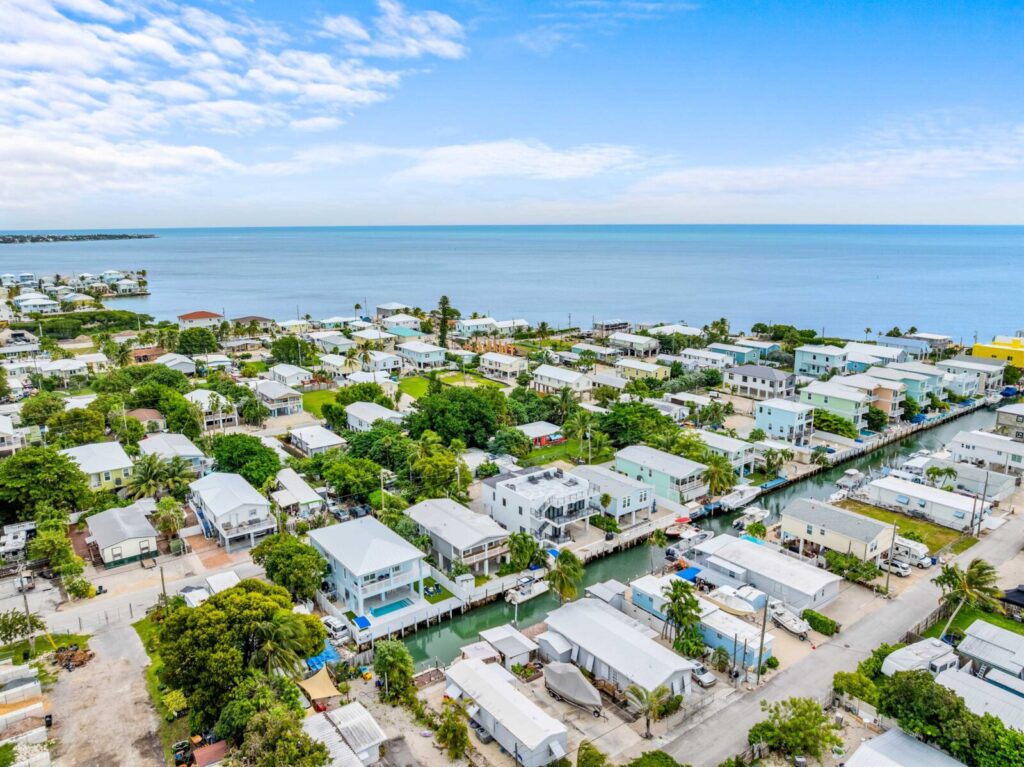
One of the structural advantages of working with a licensed vacation rental management company like Villa Paraiso Vacation Rentals is that insurance compliance is built into the operational framework , not something owners have to navigate alone.
We manage waterfront properties across Marathon including Blue Pearl, Ocean Muse, Emerald Oasis, Azul Paradise, and Vista Del Mar, among others, and every property in our portfolio is onboarded with a clear understanding of its insurance structure.
If you’re a property owner in Marathon or the Middle Keys and you’re unsure whether your current coverage is adequate, contact our team to discuss how we support owners on compliance, risk management, and operational setup.
FAQ’s
Does Florida require vacation rental owners to carry insurance?
Florida does not mandate a single statewide insurance policy, but DBPR licensing (required for most short-term rentals) may include insurance requirements. Additionally, local county and municipal ordinances in Monroe County may require proof of liability coverage as part of permit issuance or renewal. Always verify current requirements with Monroe County Code Compliance and a licensed insurance agent.
Will my Airbnb or VRBO host protection replace my own insurance?
No. Platform-provided protection is supplemental and comes with significant exclusions including flood damage, wind damage, business income loss, and dock or amenity liability. You should carry your own dedicated STR insurance policy regardless of what the platform provides.
What is the minimum liability coverage recommended for a Florida Keys vacation rental?
Most insurance professionals recommend a minimum of $1 million in commercial liability coverage. For waterfront properties with pools, docks, or water equipment, $2 million is a more appropriate baseline given the elevated injury risk.
Do I need a separate flood policy even if my property is not in a high-risk flood zone?
Yes. All of Monroe County is in a FEMA-designated floodplain. Even properties in lower-risk X zones can experience flood damage. Standard homeowners and windstorm policies do not cover flood damage , a separate flood policy is essential.
What is an elevation certificate and do I need one?
An elevation certificate documents the lowest floor elevation of your structure relative to the FEMA flood zone. It is required when obtaining flood insurance quotes and can significantly reduce your premium if your property sits above the base flood elevation. If you don’t have one, a licensed local surveyor can produce it.
How does FEMA Risk Rating 2.0 affect my flood insurance costs?
Risk Rating 2.0, implemented in 2022, changed how NFIP premiums are calculated. Instead of pricing based on flood zone designation, premiums now reflect individual building characteristics: distance to water, construction type, elevation, and replacement cost. This has resulted in premium increases for most Monroe County property owners. Assuming a seller’s existing NFIP policy (where allowed) can be a cost-effective option for buyers.
Can working with a property manager reduce my insurance risk?
Yes. A professional property manager maintains consistent maintenance schedules, conducts regular inspections, ensures safety equipment is in place, and documents property condition, all factors that reduce the likelihood of claims and support favorable underwriting.